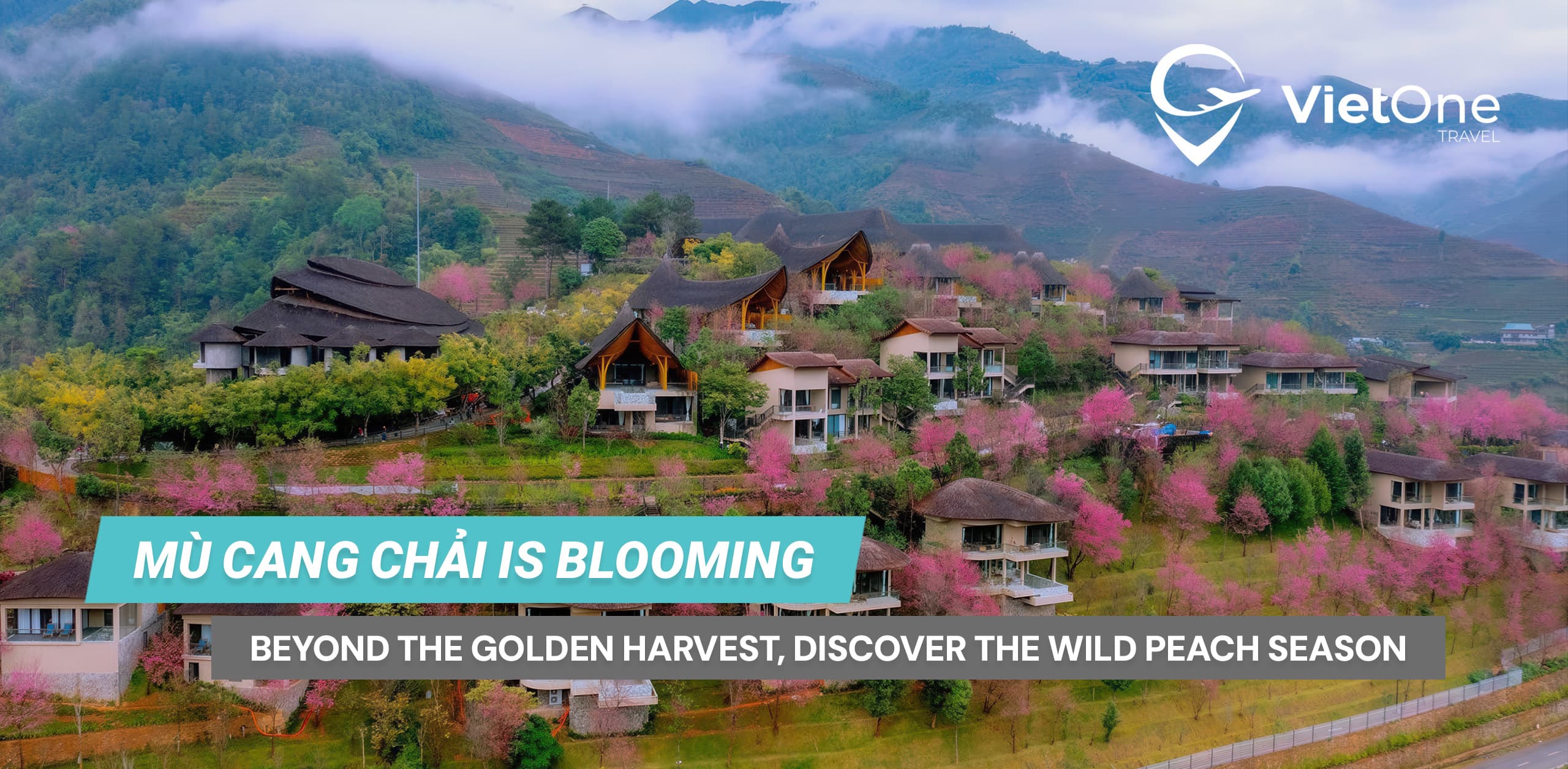
Winter in Vietnam, spanning from November to February, presents a diverse climate across the country’s three main regions. Understanding these regional differences will help you plan the perfect winter getaway and make the most of your Vietnamese adventure.

Northern Vietnam: Cool and Misty
Weather Overview
Northern Vietnam experiences true winter conditions with temperatures dropping to 10-15°C (50-59°F), occasionally dipping even lower in mountainous areas. Expect cool, dry weather with occasional drizzle and morning fog, particularly in December and January.
Best Activities
Hanoi City Exploration: The cooler weather makes walking tours through the Old Quarter infinitely more comfortable. Bundle up and explore ancient temples, sip steaming bowls of phở on street corners, and enjoy the festive atmosphere as locals gather around charcoal braziers.
Sapa Trekking: Winter transforms Sapa into a mystical wonderland with swirling mists over terraced rice fields. December and January offer clear days perfect for trekking through ethnic minority villages. Pack warm layers as temperatures can drop to near freezing, and you might even catch a rare snowfall on Fansipan peak.
Halong Bay Cruising: While cooler, winter provides crystal-clear skies ideal for photographing the limestone karsts. The bay is less crowded, and the crisp air adds a magical quality to sunrise and sunset views. Bring a jacket for deck time, but the views are absolutely worth it.
What to Pack: Warm jacket, long pants, sweaters, and closed-toe shoes. Layers are essential as temperatures can vary throughout the day.

Central Vietnam: Transitional Weather
Weather Overview
Central Vietnam experiences transitional weather during winter. The northern central coast (Hue, Danang) can be rainy and cool from November to January, while the southern central coast (Nha Trang, Quy Nhon) enjoys drier, warmer conditions.
Best Activities
Hoi An Ancient Town: Despite occasional rain, winter remains popular for exploring this UNESCO World Heritage site. The cooler temperatures make wandering the lantern-lit streets more pleasant. Time your visit for the full moon lantern festival, held monthly, for an unforgettable experience.
Nha Trang Beach Relaxation: By late December, Nha Trang enters its dry season with plenty of sunshine and temperatures around 24-28°C (75-82°F). Perfect for beach activities, snorkeling, and diving in clear waters with excellent visibility.
Hue Imperial City: The cooler, sometimes moody weather adds atmosphere to exploring the ancient imperial citadel and royal tombs. The misty conditions create dramatic photo opportunities at pagodas and along the Perfume River.

Phong Nha-Ke Bang National Park: Winter’s dry season is ideal for cave exploration. Son Doong, Hang En, and Paradise Cave are all accessible, offering spectacular underground adventures without the summer heat.
What to Pack: Light jacket or cardigan, mix of short and long-sleeved shirts, and an umbrella for the northern central areas. Beach attire for Nha Trang and southern central coast.

Southern Vietnam: Warm and Dry
Weather Overview
Southern Vietnam enjoys its best weather during winter, with warm temperatures of 25-30°C (77-86°F), low humidity, and minimal rainfall. This is peak tourist season for good reason.
Best Activities
Ho Chi Minh City Sightseeing: Perfect weather for exploring Vietnam’s largest city. Visit the War Remnants Museum, Notre-Dame Cathedral, and bustling Ben Thanh Market without battling extreme heat or rain. Evening walking tours along Nguyen Hue pedestrian street are particularly pleasant.
Mekong Delta Tours: Winter’s dry season is ideal for exploring the Mekong’s floating markets, fruit orchards, and waterways. Take a boat trip through Can Tho’s Cai Rang floating market at dawn, cycle through villages in Ben Tre, or stay overnight in a homestay to experience delta life.

Phu Quoc Island Getaway: Vietnam’s largest island shines in winter with calm seas, sunny days, and perfect beach conditions. Enjoy water sports, visit the night markets, watch stunning sunsets, and explore the island’s pepper plantations and national park.
Cu Chi Tunnels Exploration: The cooler winter temperatures make crawling through these historic underground tunnels far more comfortable than during the humid summer months.
What to Pack: Light, breathable summer clothing, sunscreen, sunglasses, and swimwear. A light cardigan for air-conditioned spaces is optional but not essential.
Winter Travel Tips for Vietnam
Best Time to Visit Each Region
- North: December to February (coolest and clearest)
- Central: Late December to February (drier conditions)
- South: November to February (entire dry season)
Cultural Highlights
Winter coincides with several important Vietnamese holidays. Tet (Lunar New Year), typically falling in late January or February, is the most significant celebration. While many businesses close, it’s a fascinating cultural experience if you plan accordingly.
Booking Considerations
Winter is peak season, especially December and January. Book accommodations and tours in advance, particularly for popular destinations like Sapa, Halong Bay, and Phu Quoc. Prices are higher than in summer but the weather advantages are substantial.

Making the Most of Your Winter Visit
Vietnam’s winter diversity means you can experience three different climates in one trip. Consider a north-to-south itinerary: start with cool northern adventures, transition through central culture and history, and finish with southern beach relaxation. This progression not only follows the improving weather but also provides a complete Vietnam experience.
Whether you’re seeking mountain mist, ancient culture, or tropical beaches, Vietnam’s winter season offers ideal conditions somewhere in the country. Plan according to your weather preferences and activity interests, and you’ll discover why winter is considered the best time to explore this magnificent country.