Vietnam coffee culture is one of the most surprising — and most undersold — travel experiences in Southeast Asia.
Here’s a question for you: when your European clients picture Vietnam, what do they see? Probably emerald bays, rice paddies, maybe a bowl of pho. But coffee? Probably not. And that’s a shame — because Vietnam’s coffee culture is one of the most surprising, delicious, and genuinely unique experiences the country has to offer.
Vietnam is the world’s second largest coffee producer. Only Brazil ships more coffee than Vietnam every year. Let that sink in for a moment. The country that most Europeans think of as a rice-and-noodles destination is quietly fuelling a massive chunk of the world’s espresso machines.
But this isn’t just a fun fact for a dinner party. For travel agents selling Vietnam to discerning European and Russian clients, Vietnam’s coffee scene is a genuine selling point — and an underused one. Here’s everything you need to know.
How Did Vietnam Become a Coffee Giant?
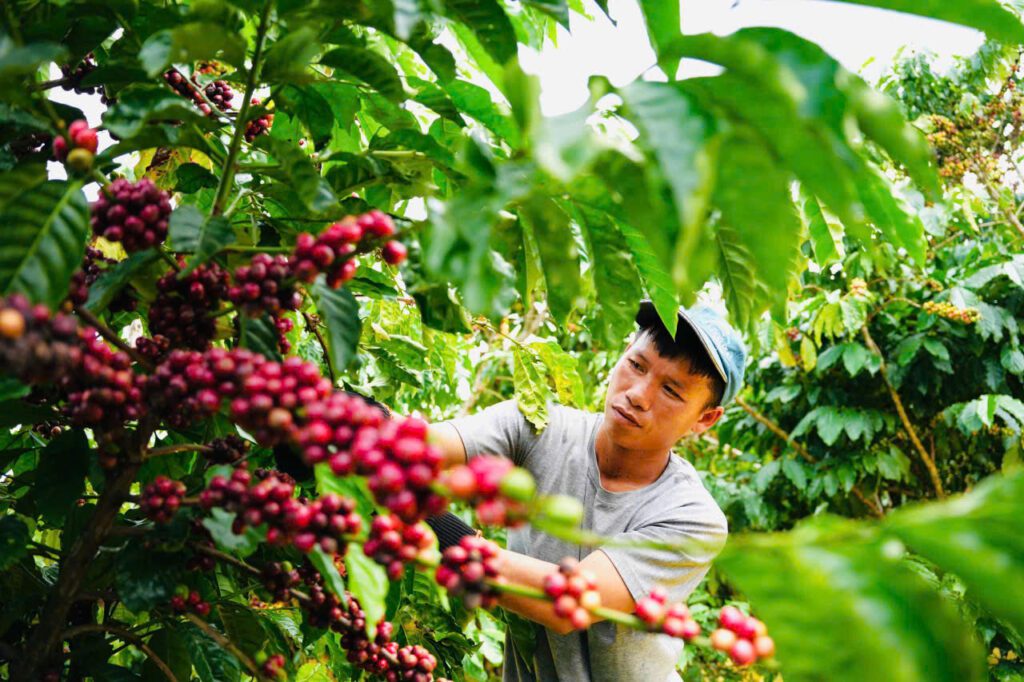
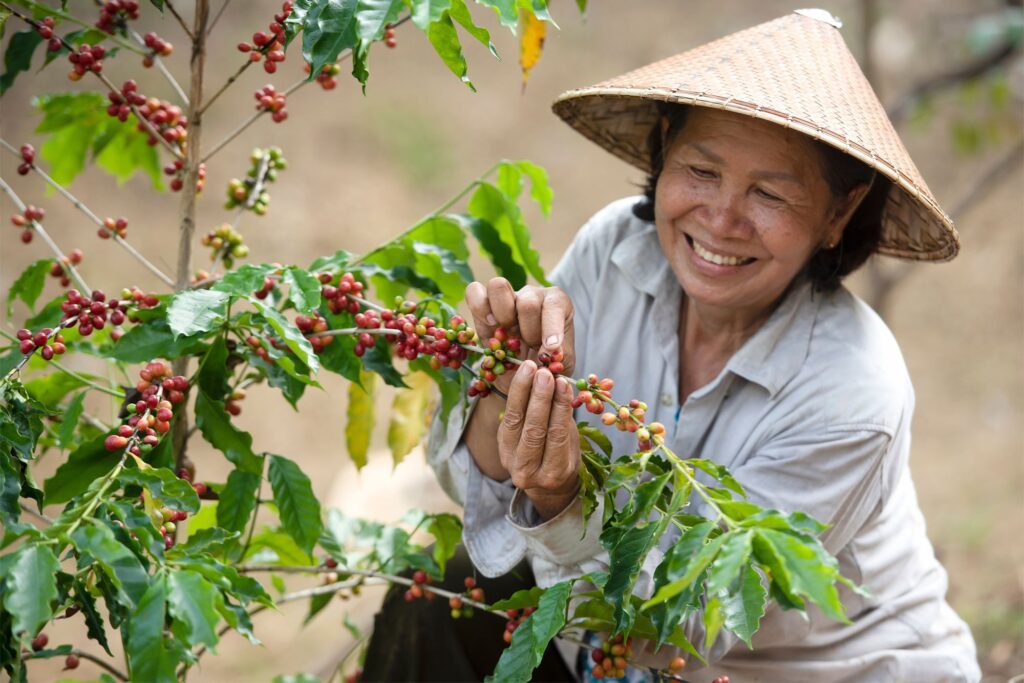
It starts with the French. When France colonised Vietnam in the mid-19th century, they brought coffee plants with them — and the Vietnamese took it from there. The Central Highlands region, particularly around the city of Buon Ma Thuot, turned out to have ideal growing conditions: rich red soil, high altitude, and a distinct dry season. Today, the Central Highlands produce around 95% of Vietnam’s coffee output.
Vietnam’s coffee primarily in Robusta beans — a variety often looked down upon by coffee snobs but absolutely essential to the world’s espresso blends and instant coffee supply. Italian espresso? It almost certainly has Vietnamese Robusta in it. The bitterness and crema that makes a proper espresso so satisfying? That’s the Robusta doing its job.
But in recent years, Vietnam’s specialty coffee scene has exploded. Arabica beans are now grown in the highlands around Dalat and Sapa, and a new generation of Vietnamese coffee roasters is producing single-origin, micro-lot coffees that are turning heads at international competitions.
The Vietnamese Way of Drinking Coffee
Coffee in Vietnam is not a grab-and-go experience. It’s a ritual. A social event. A reason to sit down, watch the world go by, and spend an hour doing absolutely nothing productive. Europeans will feel completely at home.
The classic preparation is ca phe phin — a small metal drip filter placed on top of your glass, slowly releasing dark, intense coffee. It’s unhurried by design. You wait. You watch it drip. This is Vietnam teaching you to slow down.
Then there’s the question of what goes with your coffee in Vietname — and this is where it gets really interesting.
Ca Phe Trung: Egg Coffee Hanoi (Yes, Really)
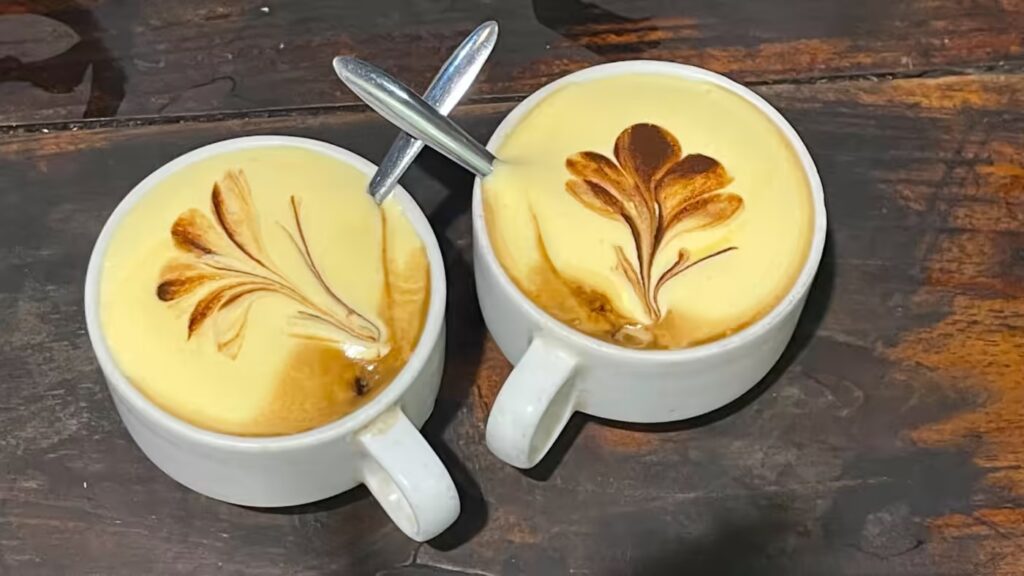
Hanoi’s most famous coffee invention is egg coffee Hanoi — ca phe trung — and it deserves its own paragraph just for the sheer audacity of it. A rich, whipped mixture of egg yolk, sugar, and condensed milk is spooned on top of strong black coffee. The result is something between a dessert and a drink: thick, intensely sweet on top, bitter and dark underneath. It was invented in the 1940s when fresh milk was scarce, and it has become one of Hanoi’s most iconic experiences.
The original cafe where it was invented — Cafe Giang — is still in operation, tucked into a narrow alleyway in Hanoi’s Old Quarter. Your clients will have to duck through a doorway and climb steep stairs to reach it. It’s perfect.
Ca Phe Sua Da: The Everyday Classic
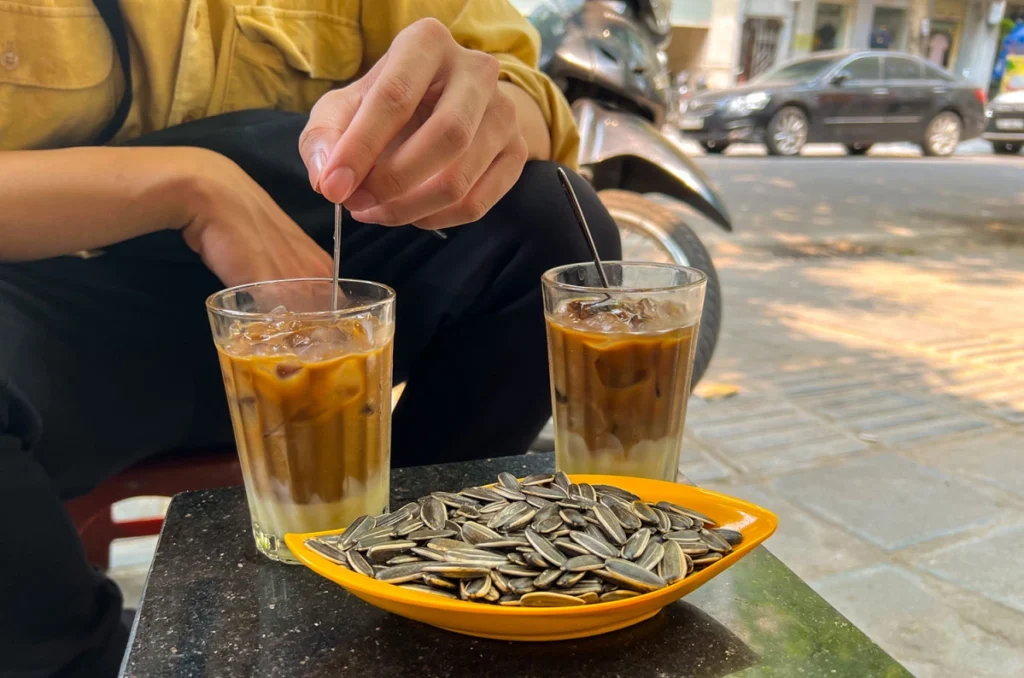
This is what most Vietnamese people drink daily. Strong coffee, sweetened condensed milk (a legacy of French colonisation), poured over a glass full of ice. Simple. Ruthlessly effective. In the southern heat of Saigon, it’s as refreshing as a cold beer — and your clients will be ordering them by the second day.
Coconut Coffee and Salt Coffee
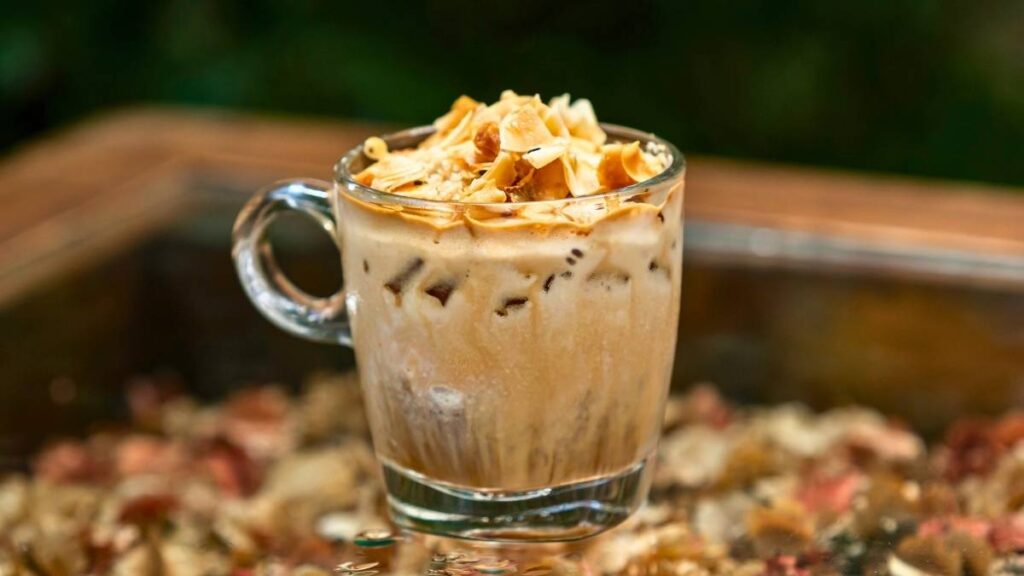
Vietnam’s creative streak doesn’t stop at eggs. In Hoi An, coconut coffee has become a local obsession — blended with coconut milk and served in a hollowed coconut shell. And in Hue, salt coffee is a thing: a pinch of salt added to the coffee cream, which sounds deeply wrong until you taste it and realise it’s just chemistry — salt suppresses bitterness and amplifies sweetness.
Dalat: Vietnam’s Coffee Country
For clients who want to go deeper than a cup on the street, Dalat is the answer. Sitting at 1,500 metres above sea level in the Central Highlands, this colonial-era city is surrounded by coffee and flower plantations. The climate is cool — European-mild, not tropical — and the scenery looks nothing like what most people expect from Vietnam.
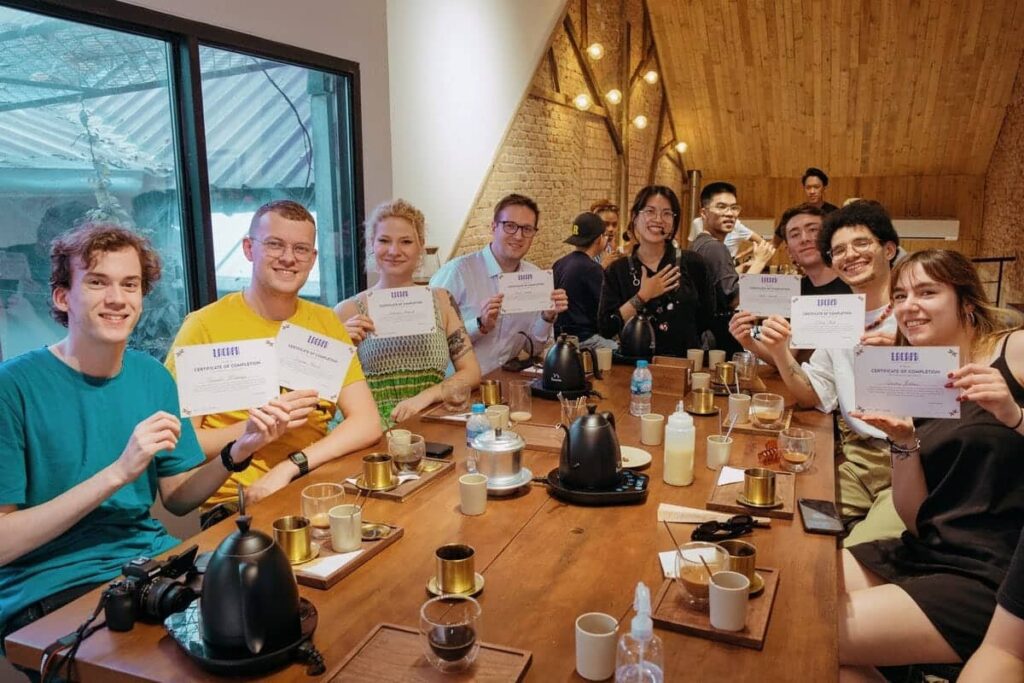
Several specialty coffee farms around Dalat offer immersive experiences: walking through the plantation, learning how beans are processed (washed, natural, honey), and cupping sessions that rival anything you’d find in a London or Moscow specialty coffee bar. For food-focused European and Russian travellers, a day on a Dalat coffee farm is an experience that genuinely surprises them — and becomes a holiday highlight.
| “Coffee in Vietnam is not a grab-and-go experience. It’s a ritual — a reason to sit down, watch the world go by, and spend an hour doing absolutely nothing productive.” |
The Third Wave Has Arrived in Vietnam’s Cities
Hanoi and Ho Chi Minh City now have thriving specialty coffee scenes that would impress even the most seasoned Scandinavian coffee lover. Independent roasters like Shin Coffee, The Coffee House, and Loa Coffee are sourcing single-origin Vietnamese beans, roasting them in-house, and serving pour-overs with as much care and ceremony as you’d find in Copenhagen or Vienna.
Saigon, in particular, has reinvented itself as a cafe city. Rooftop coffee bars, hidden courtyard cafes, industrial-chic roasters in repurposed French villas — the variety is extraordinary. An afternoon spent cafe-hopping through Saigon’s District 3 is an experience that requires no temples, no museums, and no itinerary. Just a willingness to wander and a caffeine tolerance.
How to Sell the Coffee Experience to Your Clients
The beauty of Vietnam coffee culture is that it layers seamlessly into any itinerary. Here are a few ideas:
- Hanoi food & coffee tour: Start with a street pho breakfast, walk to Cafe Giang for egg coffee, then explore the Old Quarter’s traditional cafe scene.
- Dalat highlands extension: Add 2 nights in Dalat with a coffee farm visit — perfect for clients who’ve already done the standard Vietnam highlights and want something different.
- Saigon cafe culture half-day: A curated afternoon through Saigon’s specialty coffee neighbourhood in District 3 — works beautifully as a first-day orientation tour.
- Coffee souvenir shopping: Vietnamese coffee — whole bean, in filters, or as the famous Weasel coffee — makes an extraordinary gift. Ben Thanh Market and Dalat’s local shops are great sources.
The Bottom Line for Travel Agents
Vietnam coffee culture travel isn’t a niche. It’s a mainstream selling point waiting to be used. Your European and Russian clients almost certainly don’t know that Vietnam is the world’s second largest coffee producer. They don’t know about egg coffee in Hanoi, or the cool highland farms around Dalat, or the rooftop specialty cafes of Saigon.
Once they do, it changes how they see the destination. Vietnam stops being just another Southeast Asia option and becomes somewhere with a story — with layers, textures, and flavours that keep surprising. That’s the best kind of travel. And that’s exactly what VietOne Travel is here to help you build.