Vietnam is more than just a country; it’s a vibrant tapestry of different cultures, languages, traditions, and lifestyles woven together over thousands of years. Home to 54 officially recognized ethnic groups, Vietnam’s cultural richness goes far beyond the bustling cities and scenic landscapes that initially attract visitors. For travelers seeking authentic, meaningful experiences, exploring Vietnam’s diverse ethnic communities promises an unforgettable journey into tradition, culture, and history.
Vietnam’s cultural mosaic: a quick overview
While the ethnic Vietnamese or Kinh people make up about 85% of the population, the remaining 15% is shared among 53 ethnic minority groups. Each group maintains its own unique language, customs, clothing, cuisine, and spiritual beliefs, adding depth to Vietnam’s cultural landscape.
Here’s an overview of some notable ethnic groups and where you can find them:
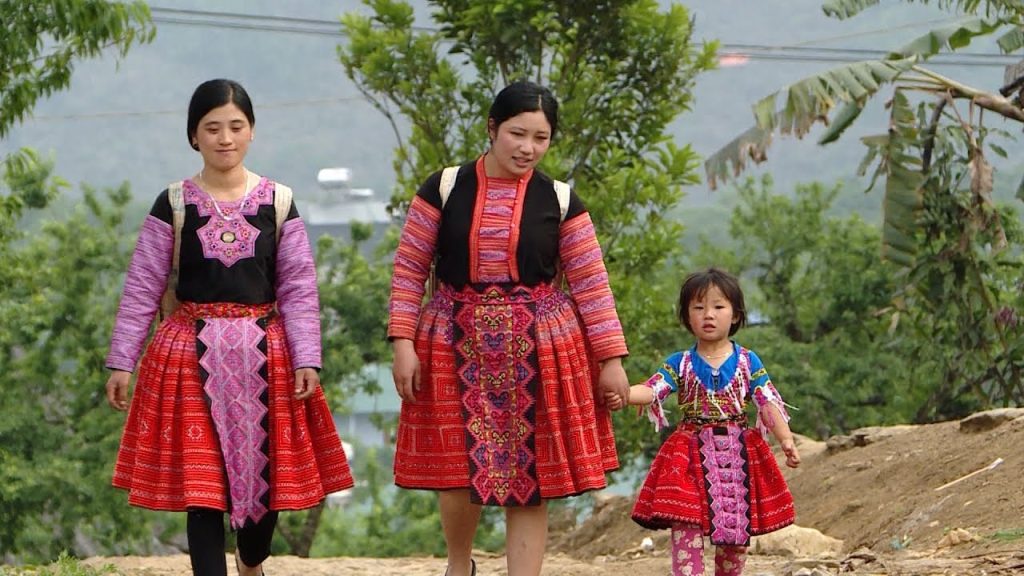
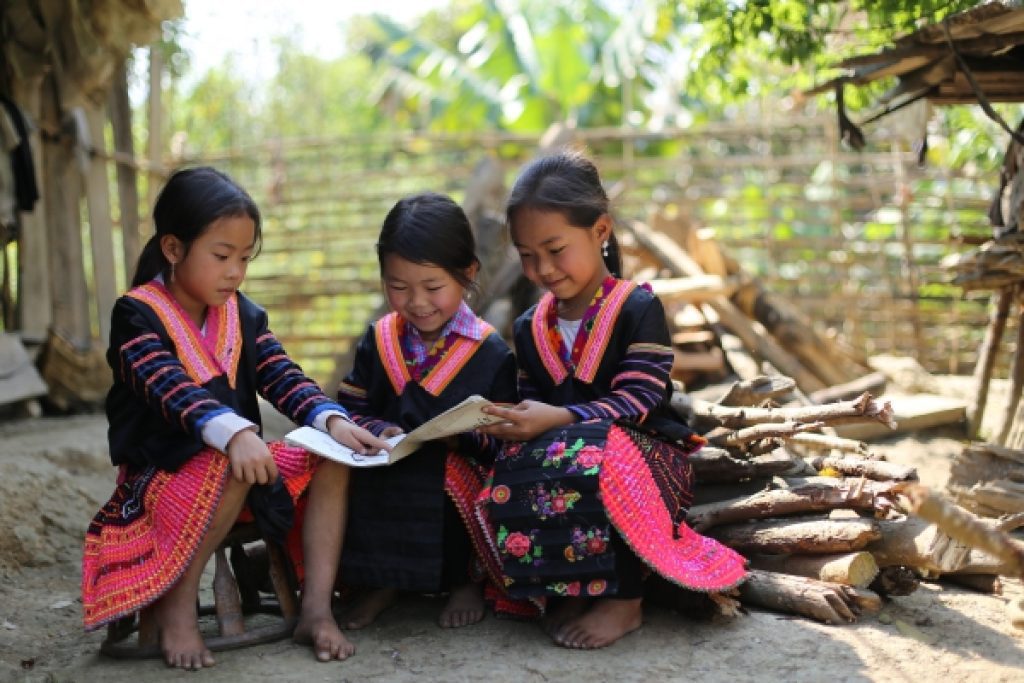
1. The Hmong (Mong)
- Where? Northern mountains—primarily around Sapa (Lao Cai province) and Ha Giang.
- What’s special? Known for their brightly colored traditional clothing and silver jewelry. They have rich textile traditions and vibrant weekend markets.
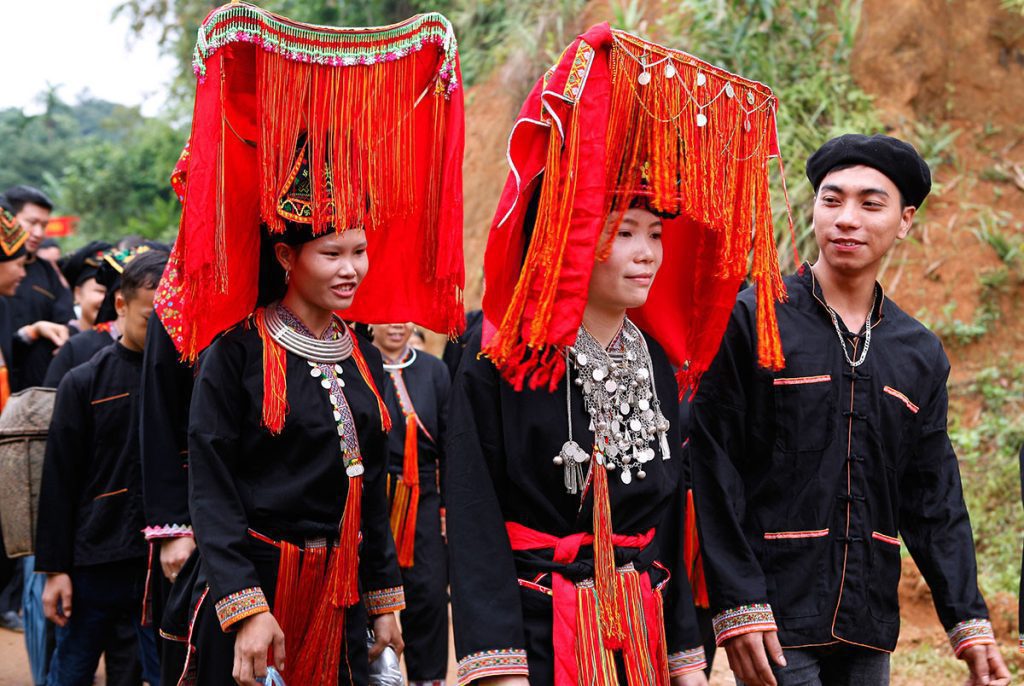
2. The Dao (Yao)
- Where? Northern Vietnam—Ha Giang, Lao Cai, Yen Bai, and Cao Bang.
- What’s special? Famous for their elaborate headdresses, intricate embroidery, and traditional herbal medicinal practices.
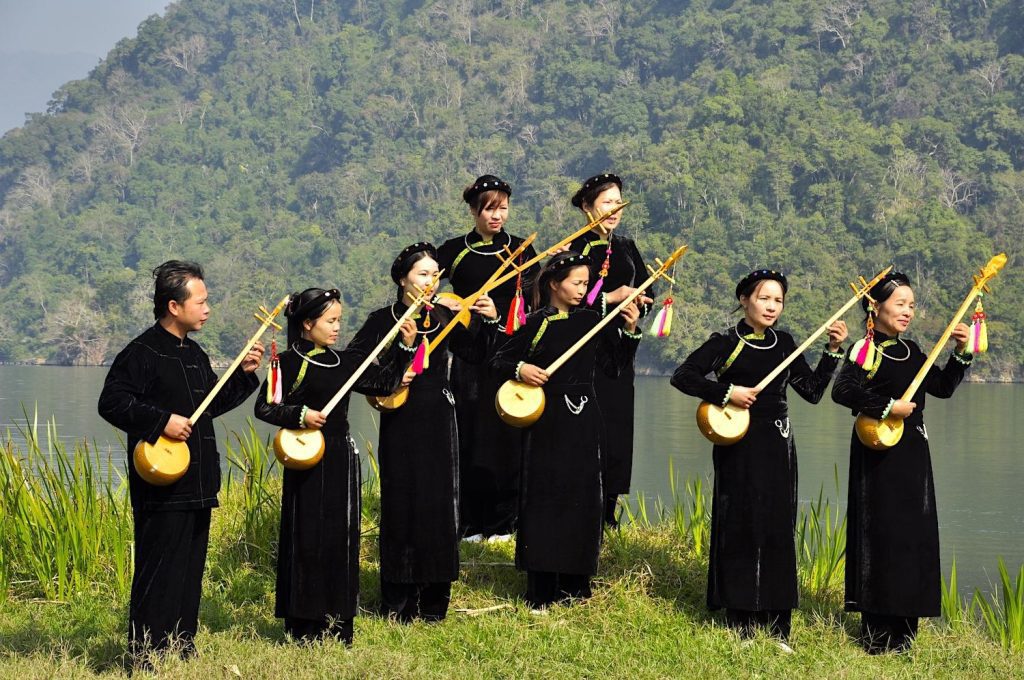
3. The Tay and Nung
- Where? Northeastern provinces—Lang Son, Cao Bang, and Bac Kan.
- What’s special? Known for peaceful villages, stilt houses, gentle landscapes, and rich folklore. The Tay are Vietnam’s second-largest ethnic group after the Kinh.

4. The Thai
- Where? Northwestern provinces such as Son La, Lai Chau, Dien Bien, and Hoa Binh.
- What’s special? Renowned for traditional wooden stilt houses, vibrant woven textiles, lively dances, and exceptional hospitality.
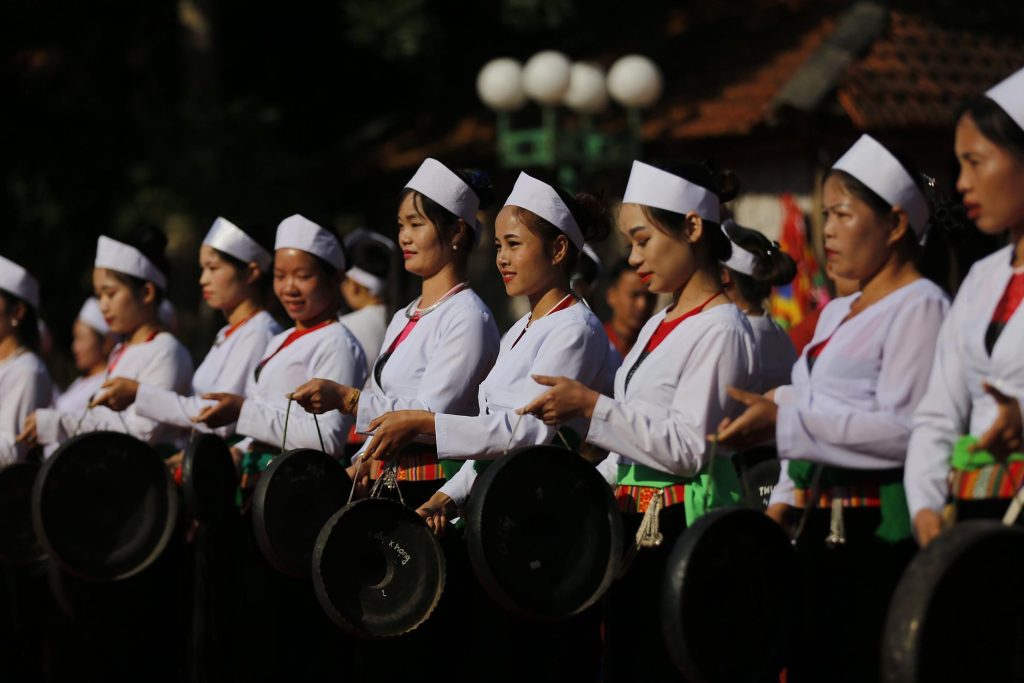
5. The Muong
- Where? Mainly Hoa Binh and Thanh Hoa provinces.
- What’s special? Close linguistic and cultural links to the Kinh people, with distinctive culinary traditions and folk songs.
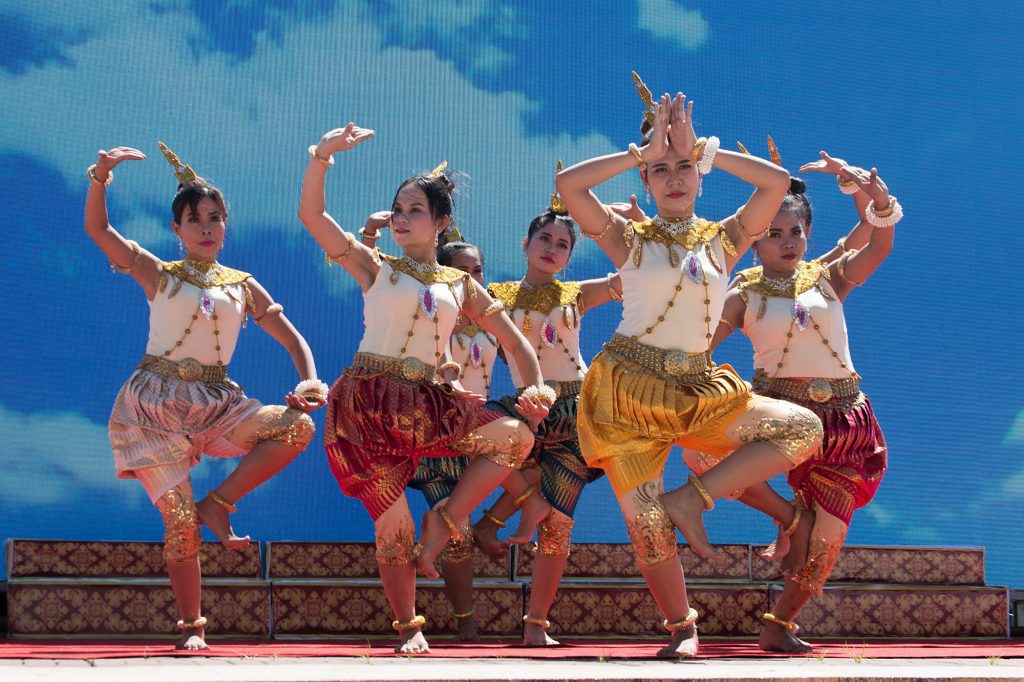
6. The Khmer
- Where? Mekong Delta region, especially around Soc Trang, Tra Vinh, and An Giang.
- What’s special? Rich culture influenced by Buddhism and Cambodian traditions, elaborate temples, and vibrant festivals.
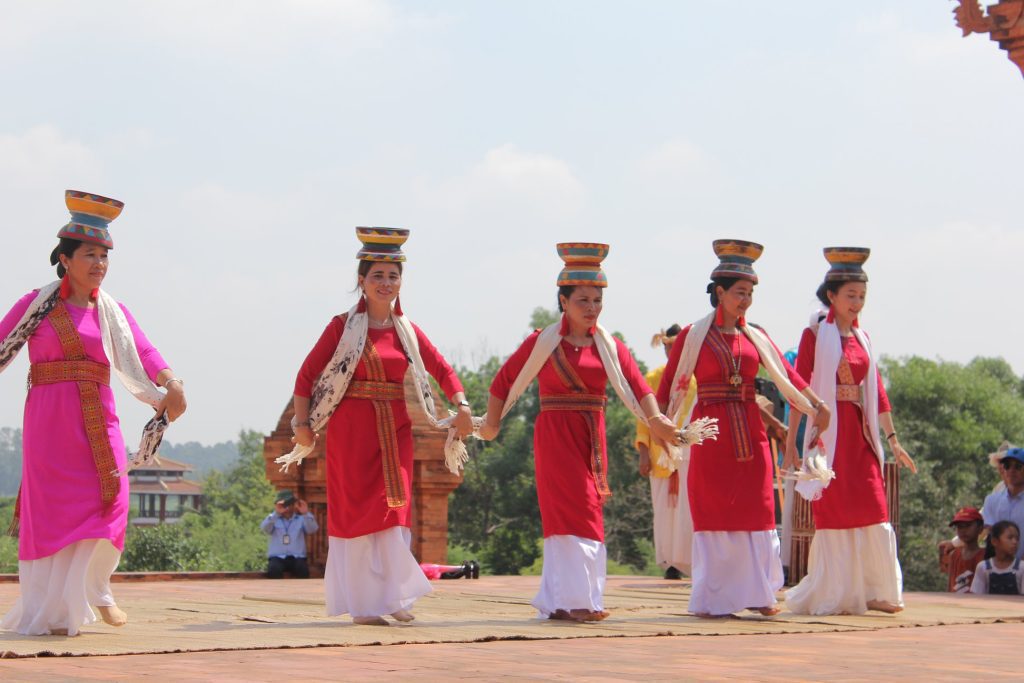
7. The Cham
- Where? South-central coast (Ninh Thuan, Binh Thuan), and Mekong Delta.
- What’s special? Unique architecture like the ancient Cham towers, distinct music and dances, and traditional pottery skills.
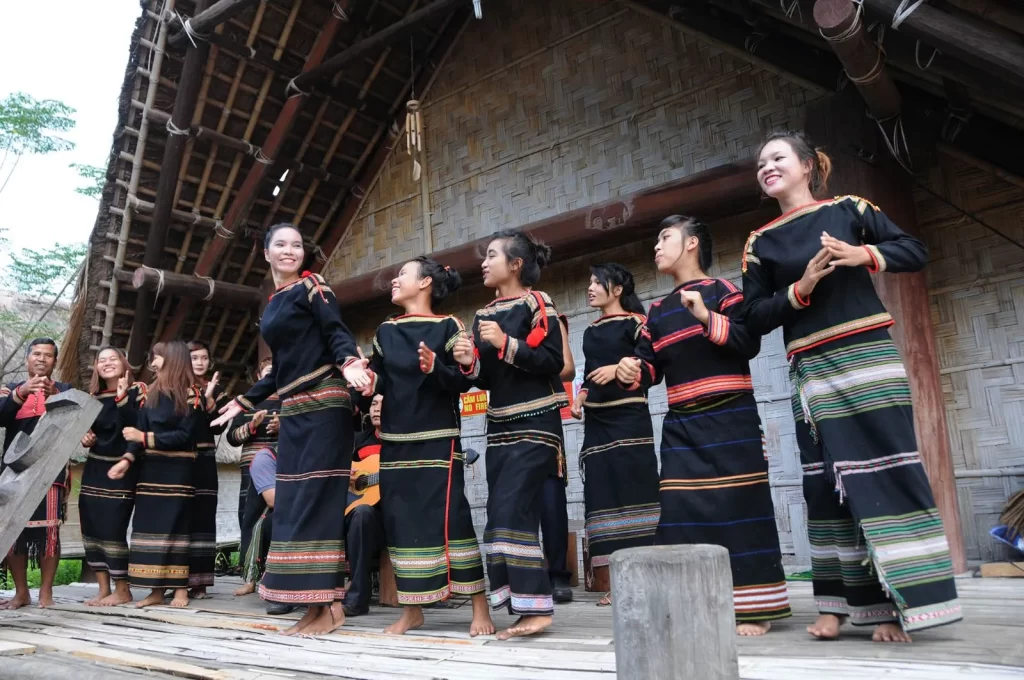
8. The Ede, Jarai, and other Central Highland groups
- Where? Central Highlands—Dak Lak, Kon Tum, Gia Lai, and Dak Nong provinces.
- What’s special? Famed for distinctive longhouses, vibrant gong music traditions (recognized by UNESCO), coffee plantations, and animist spiritual beliefs.
Cultural experiences in Vietnam: beyond sightseeing
Travelers who venture into Vietnam’s ethnic communities gain a profound cultural experience that typical tourism often overlooks. Whether trekking in the terraced mountains of Sapa to visit Hmong and Dao communities, joining lively market days in Ha Giang, staying overnight in a stilt house of the Thai or Tay people, or immersing yourself in the cultural festivals of the Khmer in the Mekong Delta, each encounter offers insight into a different way of life.
Vietnam’s diverse cultural heritage is reflected in the warmth of the people, the beauty of their traditions, and their remarkable resilience. For travelers, it means discovering a side of Vietnam that transforms a trip into a lifelong memory.
Why cultural tourism matters:
Traveling responsibly into Vietnam’s ethnic minority regions helps preserve their traditional customs and supports sustainable livelihoods. Visitors not only come away with unforgettable memories but also actively contribute to the safeguarding of cultural diversity.
Vietnam’s ethnic diversity is one of its greatest travel assets—drawing visitors who crave authentic experiences, human connections, and meaningful interactions. Encouraging respectful and sustainable visits to these communities benefits everyone involved.
Ready to explore Vietnam’s rich cultural landscape?
At VietOne Travel, we specialize in creating customized cultural itineraries that connect travelers directly with local communities. Discover the real Vietnam beyond the popular tourist trails and experience the heart and soul of this beautiful country.
Contact us today to start planning a culturally enriching journey through Vietnam’s ethnic mosaic.