Russia has been one of Vietnam’s fastest-growing source markets for over a decade. And yet, many travel agents — even experienced ones — still get it wrong when building packages for Russian clients.
They either treat Russians the same as Western European travellers (mistake) or rely on outdated stereotypes from the mass-market beach resort era (bigger mistake).
This guide cuts through the noise. Whether you’re a European travel agent building a diverse portfolio or a Russian-market specialist looking to sharpen your Vietnam offerings, here’s what you actually need to know.
Russian travellers in Vietnam represent one of the most dynamic and evolving source markets in Southeast Asia.
Understanding Russian Travellers in Vietnam
First, some context. Russian tourists in Vietnam are not a monolithic group. The landscape has shifted significantly in recent years, and it’s worth understanding the two main profiles you’ll encounter:
Profile 1: The Beach Seeker
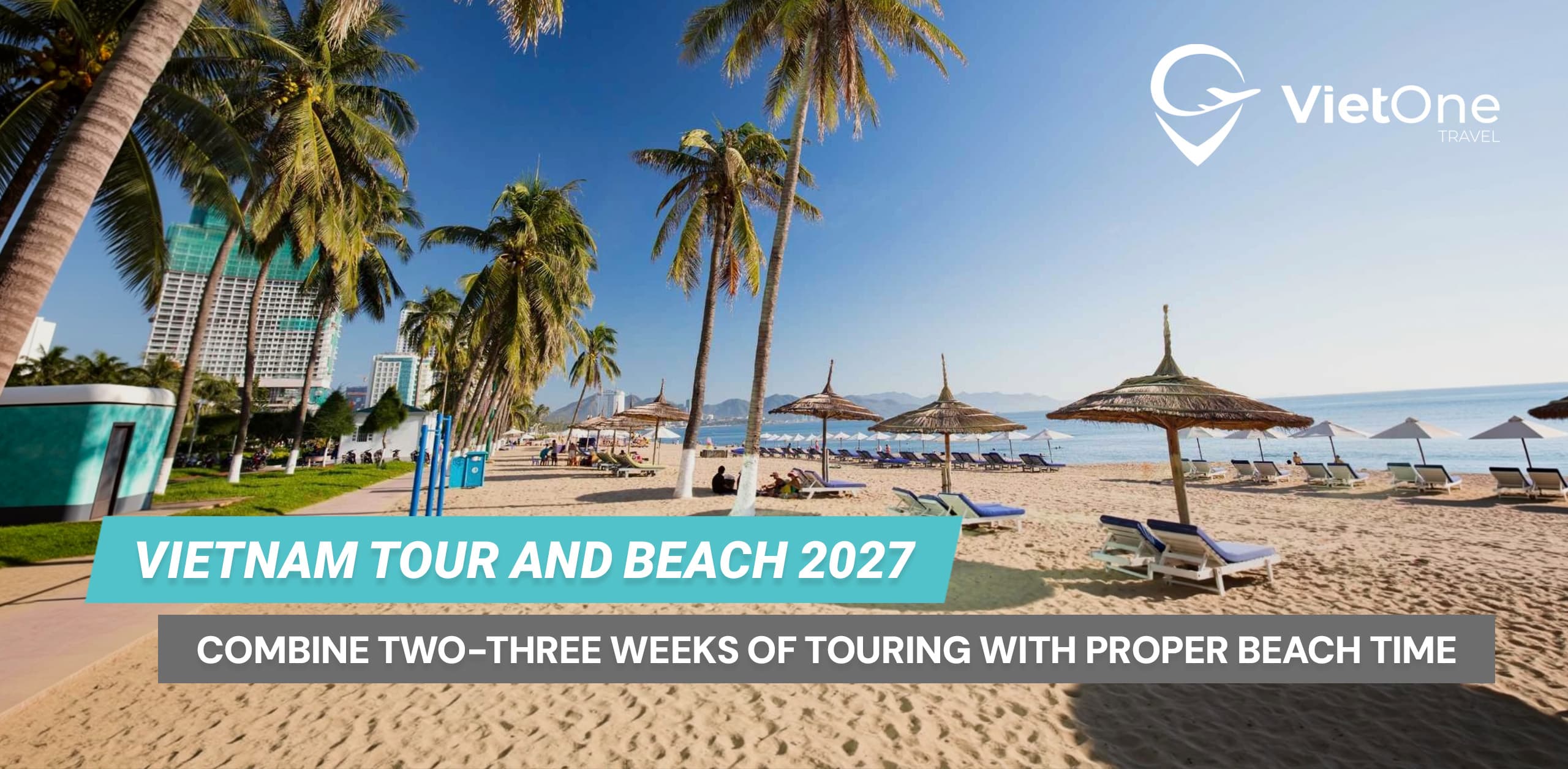
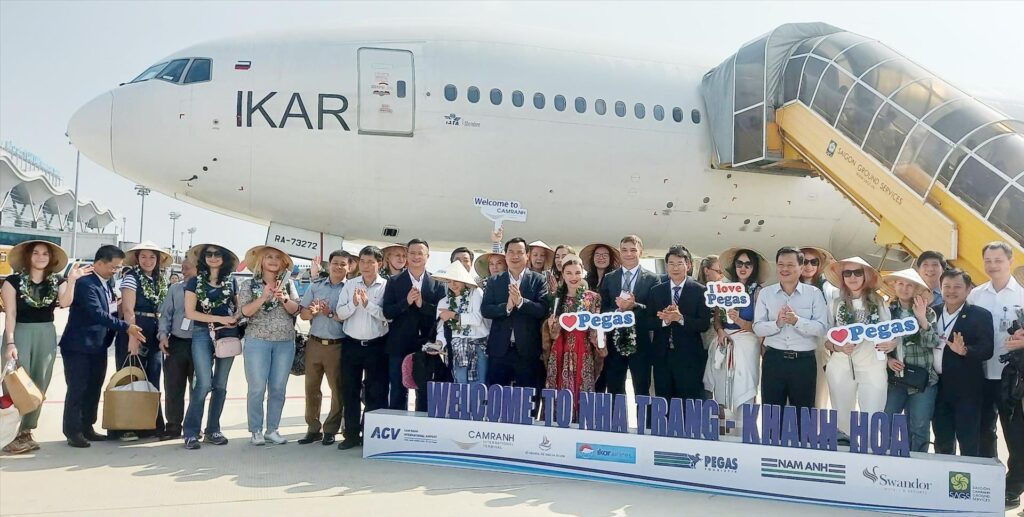
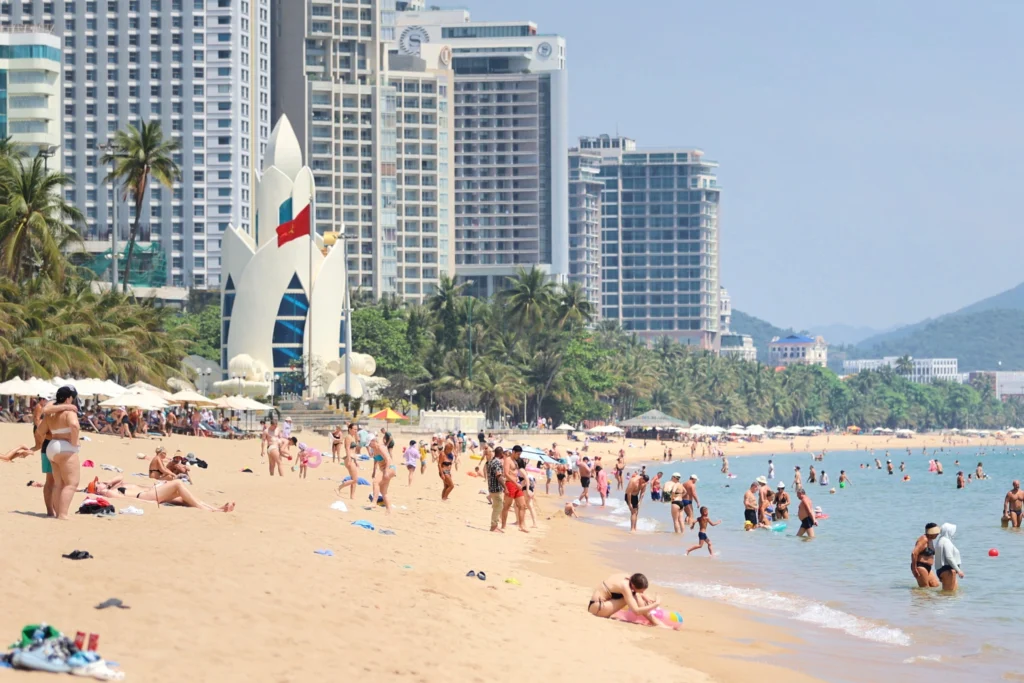
This is the classic Russian beach holiday traveller. They know Nha Trang. They’ve been to Phuket. They want sun, sea, decent food, and value for money. They’re loyal to destinations they trust and they book in volume.
Profile 2: The New Russian Explorer
This is a growing, younger, more affluent segment. They’ve already done Southeast Asia’s greatest hits. Now they want depth — cultural immersion, authentic food, off-the-beaten-path destinations, and stories to tell. These clients are golden for agents who know Vietnam properly.

What Russian Travellers Love About Vietnam
There are some things that make Vietnam a near-perfect match for Russian travellers. Lean into these when you’re selling:
- Warmth and affordability: Vietnam offers genuine warmth — both the weather and the hospitality. For Russian travellers used to cold winters and high domestic prices, Vietnam’s value for money is a powerful selling point.
- The food scene: Russian travellers tend to be adventurous eaters — perhaps more so than many Western Europeans. Vietnam’s cuisine, from street pho to elevated Vietnamese fusion, genuinely excites this audience. Cooking classes and food tours sell extremely well.
- History and depth: Educated Russian travellers have a strong appetite for history. The Cu Chi Tunnels, the War Remnants Museum in Ho Chi Minh City, and the Imperial Citadel of Hue consistently over-deliver on expectations.
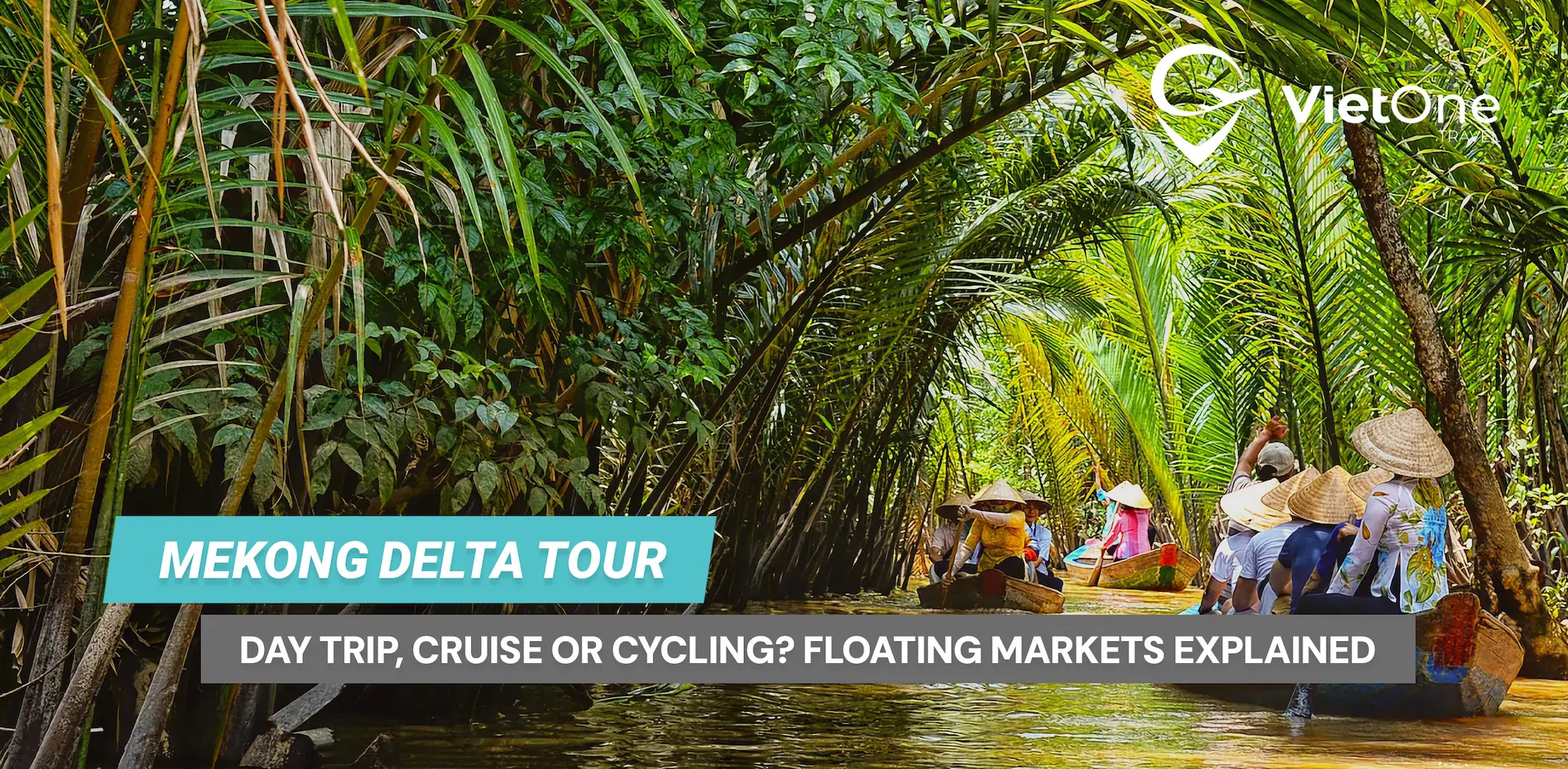
- Nature and landscapes: Halong Bay, the rice terraces of Sapa, the Mekong Delta — Russia has extraordinary natural beauty, but Vietnam’s tropical landscapes feel genuinely exotic and photogenic.
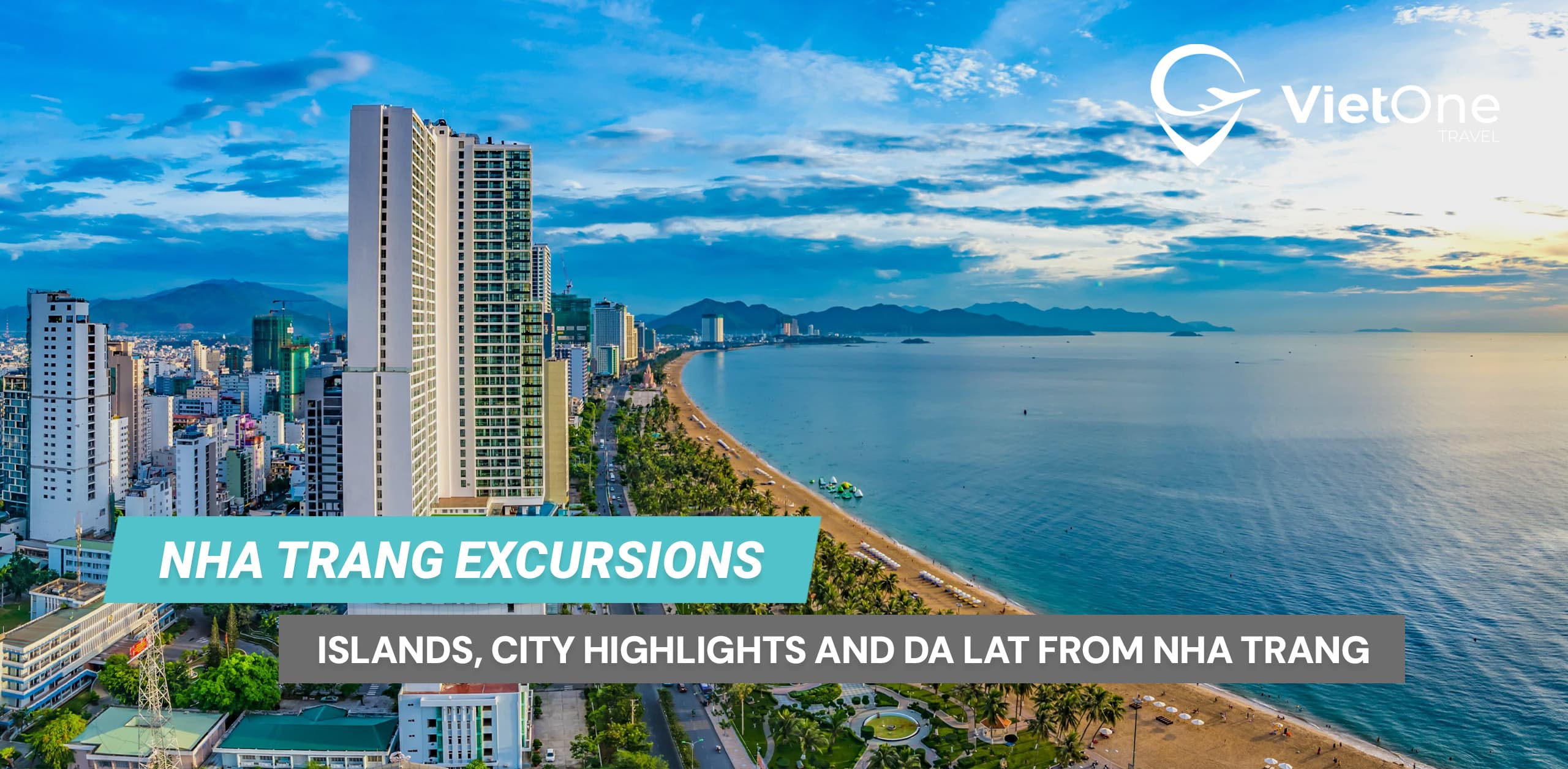
- Russian-friendly infrastructure: In key destinations like Da Nang, Nha Trang, and Phu Quoc, Russian-speaking staff, Cyrillic menus, and Russian TV channels are increasingly common. This reduces friction for less experienced travellers.
Understanding what Russian travellers in Vietnam truly value allows agents to design stronger packages.
What Russian Travellers Tend to Avoid (Or Find Challenging)
Being honest about this helps you build better itineraries and set realistic expectations:
- Overly rushed itineraries: Unlike some European clients who want to tick off 6 cities in 10 days, many Russian travellers prefer to settle into a destination. A slower pace with depth sells better than a whistle-stop tour.
- Poor hotel quality: Russian travellers have high expectations for accommodation standards, particularly for bathroom quality and cleanliness. Cutting corners on hotels almost always leads to complaints.
- Language barriers at key moments: While many Russians travel comfortably without Russian-speaking guides, they do appreciate having Russian-language materials available — especially for important cultural or historical sites.
- Certain food restrictions: Some Russian travellers are less comfortable with very spicy food or unfamiliar textures. The good news is that Vietnamese cuisine is enormously varied — a skilled local guide can navigate this effortlessly.
- Lack of communication during booking: Russian clients often have high expectations for responsive, personalised service during the booking process. A DMC that communicates quickly and clearly in English or Russian is a huge competitive advantage.
Many misunderstandings about Russian travellers in Vietnam come from outdated assumptions.
The Best Vietnam Destinations for Russian Travellers
Not all of Vietnam works equally well for every Russian client. Here’s a quick destination guide for agents:
Ho Chi Minh City (Saigon)
The entry point for most southern Vietnam itineraries. Saigon’s energy, street food culture, and proximity to the Mekong Delta and Cu Chi Tunnels make it an outstanding base. This is where VietOne Travel operates, and where you’ll get the most expert local support for your clients.
Hoi An
Consistently one of the most popular destinations with Russian travellers. The ancient town, tailoring culture, beautiful beaches, and relaxed atmosphere make it ideal for the “explorer” profile. Pairs perfectly with Da Nang.
Halong Bay
Iconic for good reason. Russian travellers respond strongly to the dramatic landscape. Opt for quality overnight cruise operators — this is not a place to economise. The experience difference between a mid-range and a premium cruise is enormous.
Phu Quoc
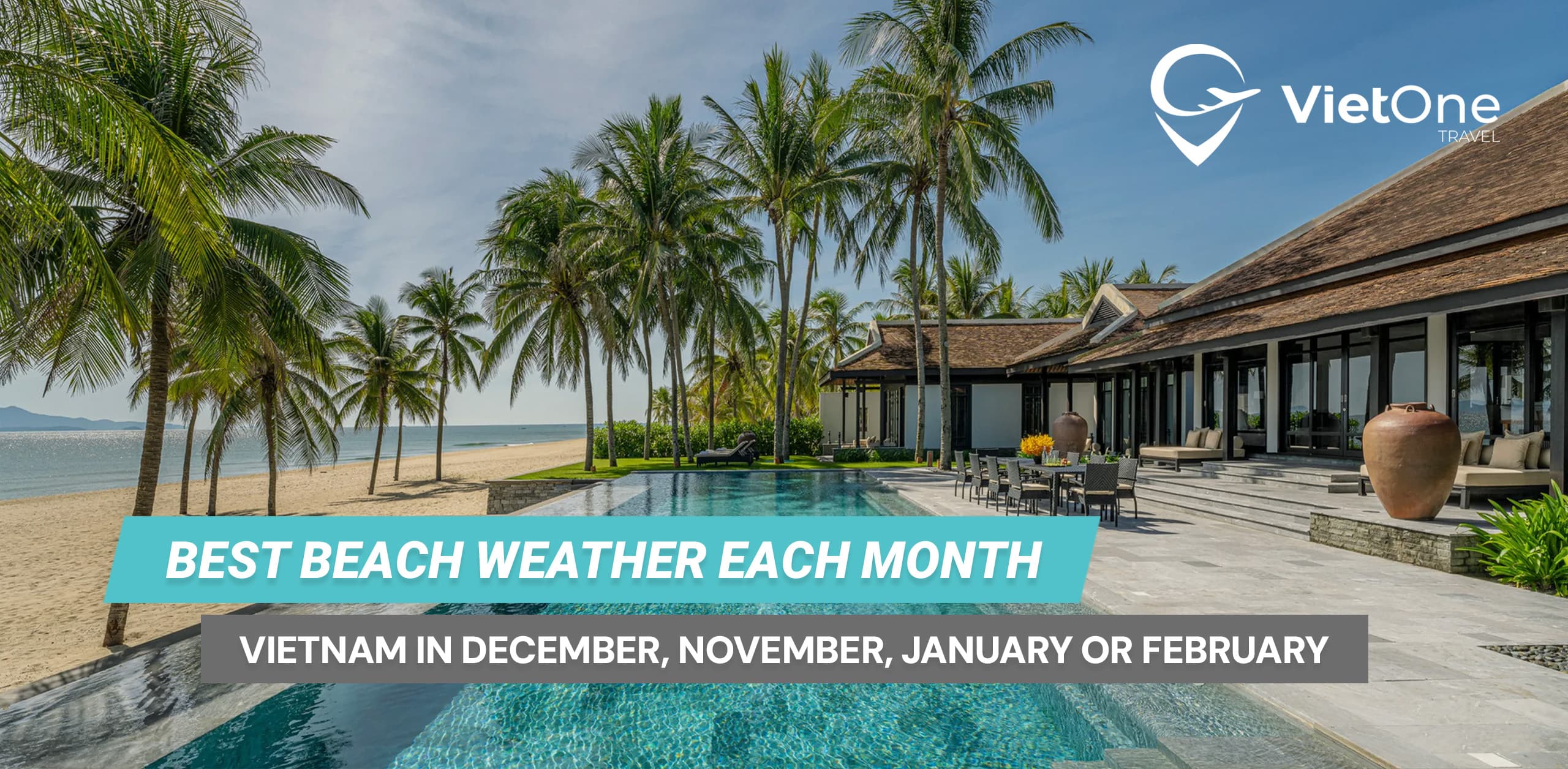
Vietnam’s island paradise has developed rapidly and now offers genuine luxury beach resort experiences. Russian travellers who want the beach-relaxation formula will love Phu Quoc, especially with the resort options now available.
Sapa and the North
For the explorer profile, northern Vietnam — particularly the terraced landscapes around Sapa and the mountain town of Ha Giang — is increasingly popular. These are Instagram-defining landscapes that sophisticated Russian travellers are actively seeking out.
How to Build the Perfect Vietnam Package for Russian Clients
Here are the practical steps that make the difference between a sale and a referral:
- Anchor on 3 to 4 destinations maximum: Don’t try to show them everything. Depth over breadth always wins.
- Include at least one ‘wow’ experience: A premium Halong Bay cruise, a private cooking class, a sunrise Hoi An lantern ceremony. These are what clients remember and what they tell their friends about.
- Be transparent about travel times: Vietnam is a long country. Internal flights save time and are inexpensive. Build them into the itinerary.
- Use a Saigon-based DMC with Russian-market experience: Local ground operators who understand Russian client expectations are invaluable. They handle the details, solve the problems, and make your agency look excellent.
- Build in flexibility: Russian travellers often appreciate free afternoons to explore independently. A rigid minute-by-minute schedule can feel suffocating.
Why Working With a Specialist DMC Changes Everything
Vietnam is a country where local knowledge makes an enormous difference. The best street food stall, the honest taxi operator, the guide who actually brings history to life rather than reading from a script — these things can’t be booked from a catalogue.
VietOne Travel is a Saigon-based Destination Management Company that works directly with European and Russian travel agents to build custom Vietnam itineraries. We know what Russian travellers respond to, what they don’t, and how to create experiences that generate repeat bookings and genuine referrals.
If you’re building Vietnam into your portfolio for Russian clients — or if you’re looking to upgrade your existing Vietnam product — we’d love to talk.
Ready to build better Vietnam packages for your Russian clients?
Contact VietOne Travel at www.vietone.travel — your specialist DMC partner in Saigon.