Tet Vietnam Lunar New Year is the most important cultural celebration in Vietnam, marking a time of family, renewal, and deep-rooted traditions. If you’ve ever chatted with clients about Vietnam, you know “Tet Vietnam Lunar New Year is the heartbeat of the country – that magical time when everything pauses for family, feasting, and fresh starts. At VietOne Travel, we’ve curated countless trips around this epic celebration, and let me tell you, it’s way more than just a holiday.
While the world counts down to midnight on December 31st with fireworks and resolutions, Vietnam saves its biggest bash for Tet Nguyen Dan, the Lunar New Year. Why? Because Tet isn’t just a flip of the calendar; it’s a profound cultural reset tied to nature’s rhythms, ancient history, and joyful traditions that make Gregorian New Year’s feel like a casual party in comparison. Let’s unpack this vibrant festival with some fresh insights and fun tidbits that’ll have your clients booking flights faster than you can say “Chuc Mung Nam Moi” (Happy New Year)!
This deep cultural significance is what makes tet vietnam lunar new year unlike any other global celebration.
Tet Vietnam Lunar New Year: Ancient Roots From Rice Fields to National Heartbeat
Tet’s story kicks off way back in Vietnam’s cradle – the Red River Delta, around 4,000 years ago during the Hung Kings era. Long before Chinese influences crept in (Vietnam was under Chinese rule from 111 BCE to 939 CE), Tet was all about agriculture. Imagine early farmers wrapping up the harvest and gearing up for the next planting cycle. The name “Tet Nguyen Dan” literally means “Feast of the First Morning of the First Day,” symbolizing renewal after winter’s chill. It’s tied to wet rice cultivation, where the end of one lunar year marked the perfect time to pray for bountiful rains and fertile soil.
Fun fact: One of Vietnam’s oldest legends links Tet to the invention of banh chung (square sticky rice cakes) and banh day (round ones). According to folklore, a Hung King challenged his sons to create a dish representing heaven and earth. The winner? The humble prince who made these cakes from everyday rice – symbolizing the earth’s square shape and the sky’s round dome. Today, families still wrap these treats together, turning prep time into bonding sessions. It’s a reminder that Tet honors simplicity and harmony, respecting ancestors who tilled the land. For your clients, this authenticity shines in hands-on experiences – think joining locals in Hanoi to craft banh chung!
Unlike the fixed Gregorian calendar, Tet’s timing makes it feel alive and connected to the world. No wonder it’s Vietnam’s most cherished event – schools close, businesses shut for a week, and millions head home in the world’s largest annual human migration. Gregorian New Year? It’s fun, but Tet is family mandatory, with deeper emotional stakes.
Understanding the timing of tet vietnam lunar new year is essential for travelers planning seasonal visits.
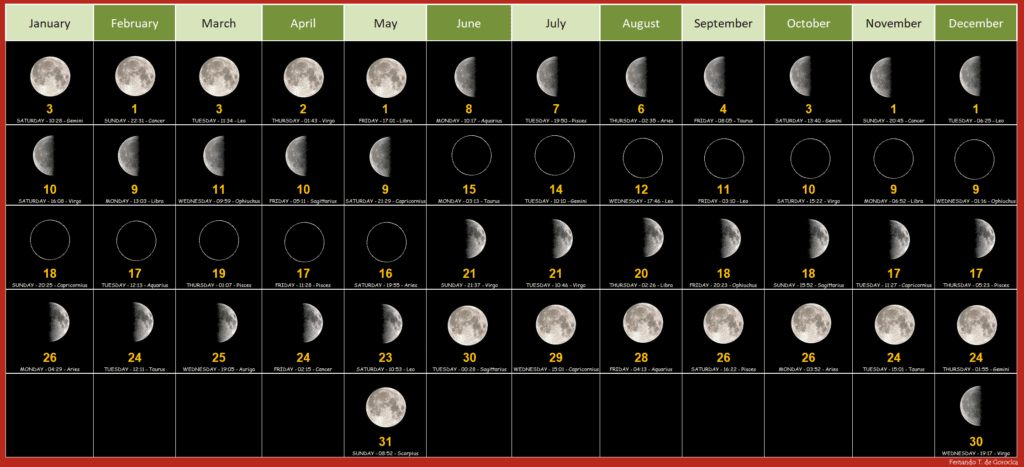
Lunar Magic: How the Moon Cycles Drive Tet’s Natural Rhythm
Here’s where Tet gets uniquely cosmic. Vietnam follows a lunisolar calendar, blending moon phases with solar seasons. Tet Vietnam Lunar New Year falls between late January and mid-February (in 2026, it’s January 29th – mark your calendars!), aligning with the new moon that signals spring’s arrival in the north. This isn’t random; it’s synced to natural phenomena. The moon’s cycles influence tides, which affect river deltas crucial for rice farming. Higher tides during certain phases bring nutrient-rich silt, prepping fields for planting. Ancient Vietnamese saw this as the universe’s cue for rebirth – winter’s dormancy giving way to blooming peach blossoms and vibrant kumquat trees.
Did you know? The lunar calendar’s leap months (added every few years) keep Tet in harmony with solar equinoxes, ensuring it always heralds warmer weather and crop growth. This tie to nature explains why Tet feels more “organic” than January 1st, which is just a date picked by Pope Gregory XIII in 1582. In Vietnam, it’s about observing the moon’s pull on life – from ocean swells to human moods (ever heard of “lunar lunacy”?). For eco-conscious families, this adds a layer of wonder: imagine stargazing in Sapa during Tet, spotting the slender crescent moon that kicks off celebrations.
A quirky natural twist: Tet’s date shifts yearly, creating “long” or “short” years. In folklore, a short year (without a leap month) might bring quirky weather, like unexpected rains – but Vietnamese resilience turns it into optimism, with proverbs like “Rain on Tet means fortune ahead.” It’s this blend of science and superstition that makes Tet endlessly fascinating.
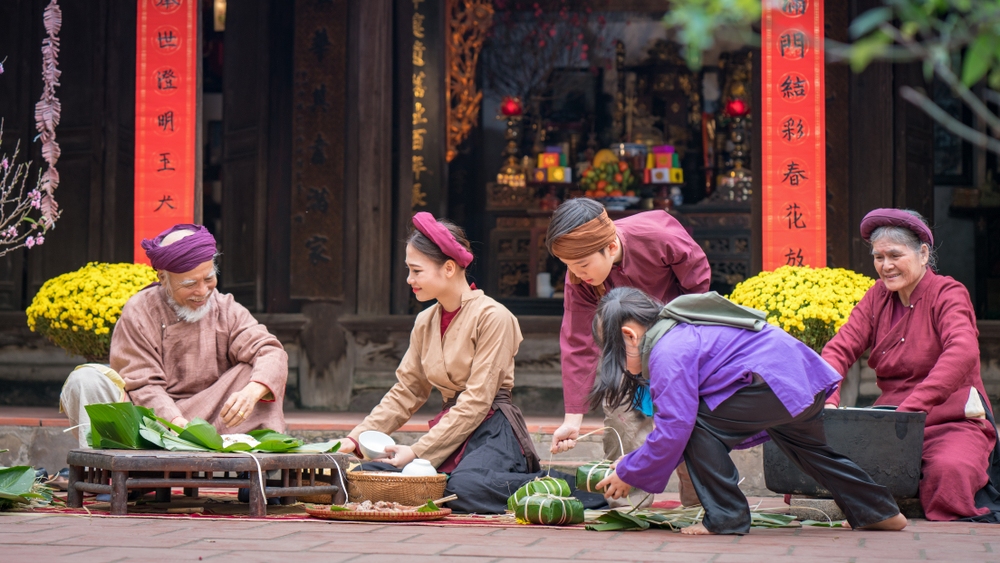
Traditions That Spark Joy: Fun Facts and Cultural Gems
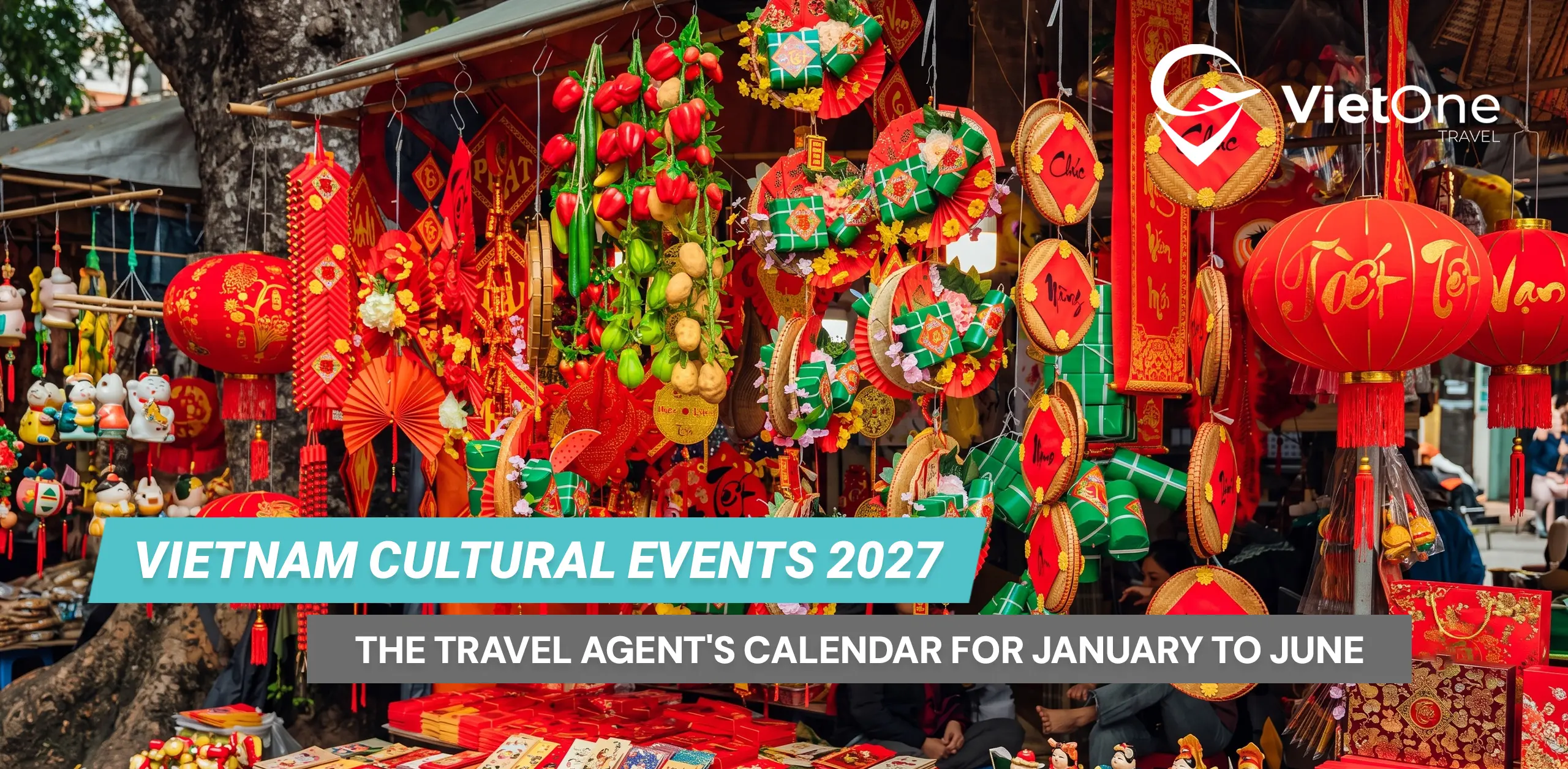
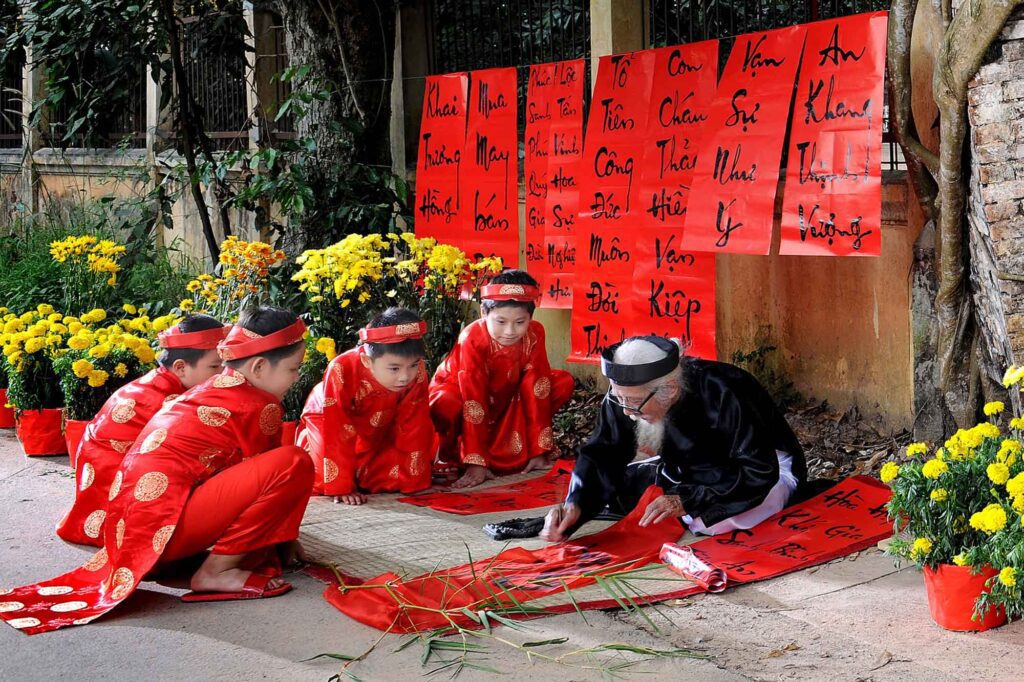
Tet Vietnam Lunar New Year bursts with customs that are as practical as they are poetic. Homes get a thorough pre-Tet scrub to sweep away bad luck – but no brooms touch the floor during the holiday, lest you whisk away good fortune! Red envelopes (li xi) stuffed with lucky money go to kids, symbolizing prosperity. And the first visitor? That’s the “xong dat” – a carefully chosen guest whose traits (successful, kind-hearted) are believed to set the year’s tone. No drop-ins allowed; it’s all planned for positivity.
Zodiac fun: Vietnam’s 12-animal cycle mirrors China’s but with twists reflecting rural life. Instead of the rabbit, it’s the cat – why? Legends say the rat tricked the cat during a heavenly race, drowning it mid-river (hence cats hate water and chase rats). Linguistically, the Chinese “mao” (rabbit) sounds like Vietnamese “meo” (cat). Plus, cats guard rice paddies from rodents, making them agricultural heroes. Buffalo replaces ox (for plowing fields), and goat swaps sheep (more common in Vietnam’s hills). In 2026, it’s the Year of the Fire Horse – energetic and adventurous, perfect for travel!
These customs come together most vividly during tet vietnam lunar new year celebrations.
Food steals the show: Beyond banh chung, try mut (candied fruits) for sweetness in life, or gio (pork pie) for savory unity. Markets buzz with peach branches (north) and apricot blossoms (south), each petal promising luck. Food, symbolism, and decoration play a central role during tet vietnam lunar new year.
Tet’s cultural significance? It’s a bridge between past and future, honoring ancestors at altars while toasting new beginnings. In a fast-modernizing Vietnam, it preserves filial piety and community spirit – values that resonate deeply.
At its core, tet vietnam lunar new year is about family reunions and shared traditions.
Why Tet Transforms Travel: Your Clients Will Thank You
As travel agents, you know immersive experiences sell. Tet offers that in spades – quieter streets for reflection, yet vibrant family vibes. Avoid the rush; suggest shoulder dates for authentic glimpses without crowds. At VietOne Travel, we make it easy with tailored packages that respect traditions while ensuring comfort.
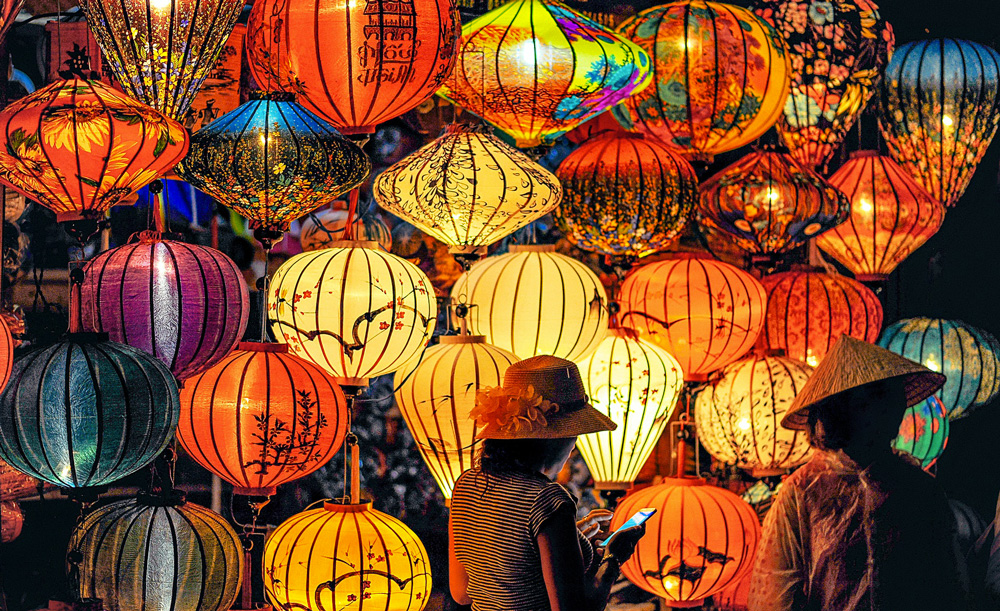
Check out our Tet Hanoi Cultural Immersion Tour for banh chung workshops and lantern-lit streets. Or the Mekong Delta Tet Family Adventure blending boat rides with homestays. For luxury, our Halong Bay Tet Cruise Package lets families watch fireworks over karsts under the moon.
For international visitors, experiencing tet vietnam lunar new year offers rare cultural insight.
Tet Vietnam Lunar New Year isn’t just a holiday; it’s Vietnam’s soul on display. It outshines Gregorian New Year by weaving nature, history, and heart into one unforgettable event. Few experiences leave a stronger impression than witnessing tet vietnam lunar new year firsthand.
Ready to help your clients discover this lunar wonder? Our team at VietOne Travel is here to craft seamless itineraries that’ll have them raving. Let’s turn Tet into their next big story!