Thailand vs Vietnam is a comparison more travel agents are rethinking as Southeast Asia’s tourism landscape shifts heading into 2026. While Thailand has long dominated the region with over 35 million annual visitors, Vietnam quietly surged to 17.5 million international arrivals in 2024—a 98% recovery from pre-pandemic levels that outpaced every other country in the region. For travel professionals, this presents both a strategic opportunity and a genuine dilemma: when your clients ask about Southeast Asia, which destination delivers the better experience right now?
After 33 years operating exclusively in Vietnam, we’ve watched countless travel agents grapple with this question. The truth? Both countries offer exceptional value, but they serve fundamentally different traveler profiles and deliver distinct competitive advantages for your business. Let’s break down what actually matters for your bottom line and your clients’ satisfaction.
Thailand vs Vietnam: what travel agents need to know in 2026
For travel professionals, Thailand vs Vietnam is no longer a simple choice but a strategic recommendation based on client expectations and margins.
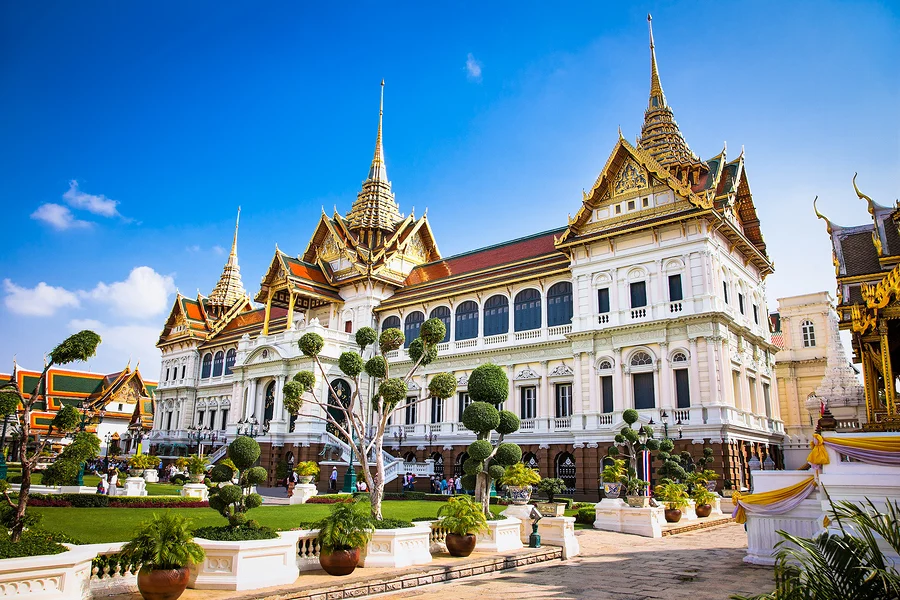
Thailand built its tourism empire over decades, and it shows. The infrastructure is polished, efficient, and remarkably tourist-friendly. English proficiency is high, especially in major tourist zones. Hotel standards are consistent, transportation networks are mature, and the entire ecosystem feels designed for international visitors. For first-time Asia travelers or clients who value predictability, Thailand delivers.
Vietnam has reclaimed 98% of its 2019 tourism levels, leading Southeast Asia’s post-pandemic recovery. The infrastructure has matured dramatically. Direct flights from North America, simplified visa policies (including visa-free entry for many nationalities), and rapidly expanding hotel networks have transformed accessibility. The new Long Thanh International Airport near Ho Chi Minh City, expected to process 25 million passengers annually, signals Vietnam’s infrastructure ambitions.
The Agent Advantage: Thailand offers plug-and-play ease with established supplier relationships and minimal surprises. Vietnam requires slightly more planning but delivers higher perceived value and that increasingly precious commodity—authenticity. Your clients will feel they’ve discovered something special rather than following the well-trodden path.
Price Points That Actually Impact Your Margins
When comparing Thailand vs Vietnam, pricing flexibility and perceived value can significantly impact agent profitability. Both countries position themselves as affordable, but the details matter for your pricing strategy and client expectations.
Thailand’s tourism economy is sophisticated and competitive. You’ll find options across every price tier, from $15 hostel beds to $1,000-per-night luxury resorts. Street food remains remarkably cheap ($2-3 per meal), while upscale dining approaches Western prices. Transportation costs are moderate, and the sheer volume of tourism keeps competition fierce.
Vietnam consistently undercuts Thailand on nearly every category. Accommodation costs run 15-30% lower for comparable quality. A meal at a local restaurant averages $3-5 versus $5-8 in Thailand. Transportation, guides, and activities all trend more affordable. The value proposition becomes particularly compelling for clients seeking luxury experiences on mid-range budgets—Vietnamese five-star resorts often cost what Thai four-star properties charge.
The Agent Advantage: Vietnam’s pricing flexibility gives you more room to add value-added services while maintaining competitive package prices. Thailand’s established pricing means thinner margins unless you’re moving significant volume or accessing preferred supplier rates.

Cultural Experiences: Polished vs Authentic
The Thailand vs Vietnam decision often comes down to whether clients prefer polished cultural access or raw, authentic immersion. This distinction defines the fundamental difference between the two destinations and should guide your recommendations based on client personalities.
Thailand’s cultural tourism is refined and accessible. Temple visits are straightforward, cultural shows are polished performances, and interactions with locals are friendly but somewhat transactional. The country has mastered the art of presenting culture in digestible, tourist-friendly formats. Floating markets, hill tribe visits, and cooking classes are well-organized experiences that deliver reliably positive reviews.
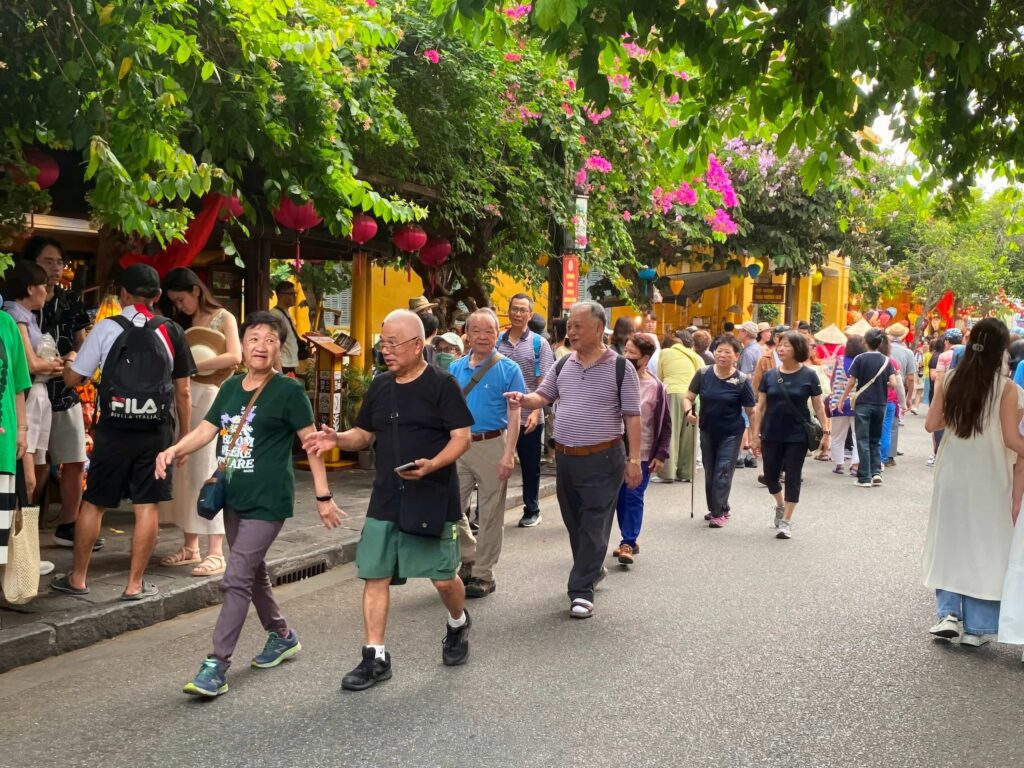
Vietnam’s cultural encounters feel less packaged and more genuine. Your clients will navigate chaotic Old Quarter streets in Hanoi, bargain in markets where tourists aren’t the primary customers, and experience daily life that continues largely unaffected by their presence. The French colonial influence, American War history, and traditional Vietnamese culture create layers of depth that history-minded travelers appreciate. Interactions require more effort but yield more memorable stories.
The Agent Advantage: Thailand minimizes hand-holding and reduces potential complaints from less adventurous clients. Vietnam creates “I discovered this amazing place” moments that generate better testimonials and social media content—powerful marketing for your business.

Beach Destinations: World-Famous vs Emerging Gems
From an agent’s perspective, Thailand vs Vietnam beach destinations require very different positioning strategies.
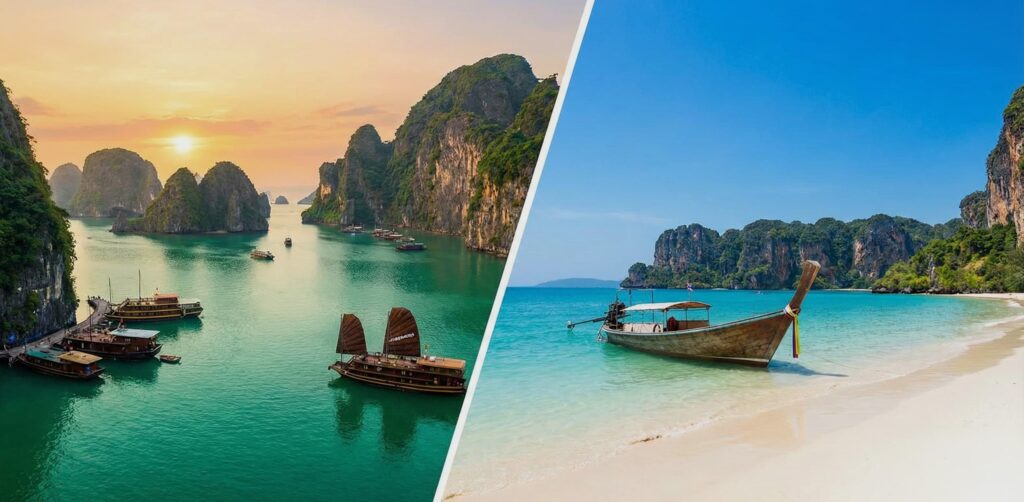
Thailand’s southern islands need no introduction—Phuket, Koh Samui, Koh Phi Phi, and Krabi have achieved global recognition. The beaches are stunning, infrastructure is excellent, and the variety of water activities is unmatched in Southeast Asia. However, popularity brings crowds, development, and occasionally environmental challenges. Peak season beaches can feel packed, and maintaining that “tropical paradise” feeling requires selecting the right islands and resorts.
Vietnam’s coastal regions offer a different value proposition. Beach destinations like Da Nang, Phu Quoc, and Nha Trang offer crystal-clear waters and soft sands without the overwhelming tourist density. Con Dao Archipelago delivers world-class diving and pristine national park environments with a fraction of the visitors. The central coast around Hoi An and Da Nang combines beach time with UNESCO World Heritage cultural experiences—a compelling combination for clients seeking variety.
The Agent Advantage: Thai beach packages are easier to sell based on name recognition alone. Vietnamese beach destinations require more education but position you as an expert recommending undiscovered alternatives—a powerful differentiator in competitive markets.

Culinary Tourism: Different Flavors of Excellence
Culinary travelers experience Thailand vs Vietnam through two very different but equally compelling food cultures.
Thai cuisine has conquered global palates. Pad Thai, green curry, tom yum soup—your clients likely already love Thai food and want the authentic versions. The cuisine emphasizes bold flavors, aromatic herbs, coconut milk, and a perfect balance of sweet, sour, spicy, and salty. Cooking classes are widely available and make excellent add-ons. The vegetarian and vegan infrastructure is particularly strong.
Vietnamese cuisine is rapidly gaining international recognition. Pho has become globally familiar, but the cuisine’s subtlety and regional diversity surprise first-time visitors. The emphasis on fresh herbs, lighter preparations, and complex broths appeals to health-conscious travelers. Street food culture is more integral to daily life, creating more authentic culinary experiences. Banh mi, fresh spring rolls, and regional specialties offer enough variety for food-focused itineraries.
The Agent Advantage: Thailand’s culinary reputation makes food-focused packages easier to market. Vietnam’s emerging food scene positions you ahead of trends—valuable for clients who pride themselves on discovering destinations before they become mainstream.

Adventure Activities and Nature Experiences
For active itineraries, Thailand vs Vietnam represents a choice between managed adventure and exploratory travel. Thailand offers polished adventure tourism with elephant sanctuaries, jungle trekking in Chiang Mai, rock climbing in Krabi, and diving in Koh Tao—one of the world’s cheapest places for scuba certification. The infrastructure supports everything from beginner-friendly experiences to advanced activities, all with established safety standards and English-speaking guides.
Vietnam delivers more raw adventure. The Sapa rice terraces, Ha Giang Loop motorbike routes, Phong Nha cave systems, and cycling tours through the Mekong Delta offer experiences that feel genuinely exploratory. The country’s dramatic topography—from northern mountains to southern deltas—creates diverse options within single itineraries. Activities often feel less commercialized and more integrated into authentic local environments.
The Agent Advantage: Thailand’s adventure tourism suits risk-averse clients seeking professionally managed activities. Vietnam’s offerings appeal to more adventurous travelers who become your most loyal repeat clients and best referral sources.
Visa Policies and Entry Logistics
Thailand has long maintained traveler-friendly visa policies. Many countries including the USA, Canada, UK, Australia and European nations are eligible for visa-free entry, allowing 30-day stays without advance arrangements. The new Destination Thailand Visa allows up to 180 days over five years for eligible travelers. Processing is straightforward and rarely causes booking friction.
Vietnam dramatically improved its visa situation. Many nationalities now receive visa-free entry for 15-45 days depending on nationality. E-visas are available online for longer stays, processed within 3 business days at reasonable cost. The bureaucratic reputation that once challenged Vietnam bookings has largely disappeared, though some nationalities still face more requirements than for Thailand.
The Agent Advantage: Thailand’s visa simplicity remains an edge for last-minute bookings and complicated nationality situations. Vietnam’s improvements have largely eliminated this as a major differentiator for most Western markets.
The Practical Considerations Travel Agents Actually Care About
Beyond client experiences, operational realities impact which destination better serves your business model.
Supplier Relationships: Thailand’s mature DMC network offers established relationships, reliable service levels, and comprehensive product inventories. Negotiated rates and preferred partnerships are easier to establish. Vietnam’s DMC landscape is growing rapidly but relationships require more cultivation. However, competitive intensity often yields better negotiating positions.
Client Complaints and Service Recovery: Thailand’s infrastructure minimizes problems, but when issues arise, resolution follows established protocols. Vietnam’s developing infrastructure occasionally creates challenges, though the rapid improvement trajectory means yesterday’s problem areas are tomorrow’s strengths. Your local partners’ responsiveness matters enormously—choose carefully.
Repeat Business Potential: Thailand excels at generating return visits—clients discover different regions or return to favorite islands. Vietnam’s diversity also encourages repeat visits, though the pattern differs. First-timers often book comprehensive tours; repeat clients seek deeper regional exploration or special interests like cycling adventures or off-the-beaten-path experiences.
Marketing Differentiation: Thailand packages compete in a crowded market. Standing out requires competitive pricing or unique angles. Vietnam offerings face less competition in many markets, allowing premium positioning and expert-discovery narratives that enhance your brand.

Regional Combinations: Maximizing Client Value
Smart agents increasingly combine both destinations or pair them with other Southeast Asian countries to create comprehensive regional experiences.
Classic combinations include Bangkok and Chiang Mai with Hanoi and Halong Bay for clients wanting both countries’ highlights. Beach-focused itineraries might pair Thai islands with Vietnamese coastal regions, offering variety within single trips. Cultural enthusiasts appreciate starting with Hanoi’s imperial history and Angkor Wat in Cambodia before Thailand’s temples.
For adventure clients, Vietnam’s cycling routes and trekking combined with Thailand’s island diving creates compelling active travel packages. Luxury travelers appreciate Vietnam’s emerging high-end scene paired with Thailand’s established five-star resort experiences.
The Agent Advantage: Multi-destination packages increase transaction values and demonstrate sophisticated planning capabilities. Vietnam-Thailand combinations offer compelling variety while keeping logistics manageable.
Special Interest Markets: Where Each Excels
Different client segments favor each destination based on specific priorities.
Honeymoons: Thailand’s established romantic infrastructure—especially Phuket, Koh Samui, and Krabi—delivers reliable luxury and privacy. Private pool villas, couples’ spa treatments, and romantic dining are perfected. Vietnam’s beach escapes and boutique properties in Hoi An offer romance with more cultural substance, appealing to couples seeking meaning beyond relaxation.
Families: Thailand’s family infrastructure is exceptional with kids’ clubs, safe beaches, and activities designed for children. Vietnam welcomes families warmly and offers outstanding educational value, though facilities are sometimes less specialized. Multi-generational groups often prefer Thailand’s ease; families with older children appreciate Vietnam’s cultural and historical depth.
Solo Travelers: Thailand’s established solo traveler infrastructure makes meeting other travelers easy. Vietnam’s developing social scene requires slightly more effort but delivers more authentic local interactions and genuine discovery.
Luxury Travelers: Thailand’s five-star sector is world-class with international brand presence and impeccable service standards. Vietnam’s luxury market is rapidly maturing, offering excellent value and distinctive properties, though with slightly less consistency at the ultra-luxury tier.
Adventure Seekers: Vietnam’s varied topography, emerging adventure tourism, and authentic experiences edge ahead for truly adventurous clients. Thailand’s established adventure offerings suit those wanting comfort alongside activity.
Cultural Enthusiasts: Vietnam’s layered history, French colonial architecture, and less commercialized cultural sites provide deeper immersion. Thailand’s accessible cultural tourism delivers satisfaction with less effort.
The 2026 Momentum Shift
Looking toward 2026, Thailand vs Vietnam data clearly shows diverging growth trajectories.
The statistics tell an important story for forward-thinking agents. Vietnam welcomed 17.5 million international tourists in 2024, positioning just behind Thailand’s 35.6 million and Malaysia’s 25 million. But the growth trajectory matters more than current volumes. Vietnam’s 30.2% year-over-year increase in early 2024 dramatically outpaced Thailand’s 2.9% growth during the same period.
Several factors drive Vietnam’s momentum heading into 2026. Direct flights from North America, particularly the San Francisco to Ho Chi Minh City route, opened Vietnamese tourism to a massive market that previously faced connection headaches. Indian tourist arrivals surged 297% from pre-pandemic figures, attracted by destination weddings, visa simplifications, and exceptional value. Chinese tourists increasingly diversify beyond Thailand due to both new opportunities in Vietnam and security concerns elsewhere.
Infrastructure investments signal long-term commitment. The Long Thanh International Airport expansion, improving domestic flight networks, and rapidly growing four and five-star hotel inventory demonstrate Vietnam’s ambition to compete seriously for high-value tourism.
The Agent Advantage: Early adopters of growing destinations build valuable expertise and supplier relationships before markets become saturated. Vietnam’s trajectory suggests now is the ideal time to develop competence that will differentiate your business as demand grows. From a data perspective, Thailand vs Vietnam highlights how growth markets create opportunity for early-moving agents. In 2026 planning conversations, Thailand vs Vietnam will increasingly guide destination prioritization.
Making the Right Recommendation
So which country should you recommend? The honest answer: it depends entirely on your client’s profile and priorities.
Recommend Thailand when clients want:
- Predictable, reliable experiences with minimal surprises
- World-class beach and island infrastructure
- Easy English communication and Western amenities
- Polished luxury and established five-star properties
- Family-friendly facilities and safety
- A proven destination their friends have enjoyed
Recommend Vietnam when clients seek:
- Authentic cultural experiences and genuine discovery
- Superior value across all price tiers
- Emerging destinations before mass tourism arrives
- Deep historical and cultural substance
- Dramatic landscape diversity from mountains to deltas
- Stories they can share about discovering hidden gems
Recommend both when clients have:
- 2-3 weeks for comprehensive regional exploration
- Interest in cultural and beach experiences
- Appreciation for diversity and variety
- Budgets allowing multi-destination logistics
For many agencies, Thailand vs Vietnam is now less about preference and more about client-fit analysis. When positioned correctly, Thailand vs Vietnam discussions strengthen trust and perceived expertise.
The VietOne Perspective
After over three decades focusing exclusively on Vietnam, we obviously believe in our country’s potential. But we also recognize Thailand’s strengths and respect why agents recommend it. The two destinations aren’t truly competitors—they serve different needs and deliver different experiences.
What we see consistently is agent surprise at how much Vietnam has evolved. The infrastructure challenges that once made it specialist territory have largely disappeared. The value proposition remains exceptional, but service quality has risen to meet international expectations. The cultural authenticity that attracted adventurous travelers persists alongside growing creature comforts.
For agents building expertise in Southeast Asia, Vietnam represents opportunity. The market isn’t saturated, clients perceive expertise as valuable, margins allow for value-added services, and the growth trajectory suggests sustained demand. Our comprehensive Vietnam packages—from 15-day insider journeys to specialized cycling adventures—reflect the diversity modern travelers seek.
Thailand will always have its place. Its tourism infrastructure and global brand recognition ensure continued success. But for agents seeking differentiation, Vietnam offers compelling advantages. You’re not just selling a destination—you’re offering discovery, authenticity, and exceptional value. In an increasingly crowded travel market, those differentiators matter.
The Bottom Line for Travel Professionals
Ultimately, Thailand vs Vietnam is not about replacing one destination with another, but about matching the right country to the right client. For experienced agents, Thailand vs Vietnam decisions increasingly shape how Southeast Asia portfolios are structured.
Thailand vs Vietnam comparisons influence pricing strategies, itinerary pacing, and the balance between comfort and discovery. In many cases, Thailand vs Vietnam becomes the starting framework for designing long-haul journeys that feel intentional rather than generic.
As client expectations evolve, Thailand vs Vietnam will remain central to how travel professionals position value, expertise, and differentiation in a competitive market. Both Thailand and Vietnam deserve space in your Southeast Asia portfolio. Thailand delivers reliability and ease—valuable for risk-averse clients and high-volume business models. Vietnam offers differentiation and growth potential—critical for agents building expertise-based brands and seeking less competitive positioning.
When travel professionals evaluate Thailand vs Vietnam today, the decision is far more strategic than it was even a few years ago. Thailand vs Vietnam is no longer about popularity alone, but about matching destinations to evolving client expectations.
For agents building long-haul itineraries, Thailand vs Vietnam comparisons now influence pricing models, pacing, and overall experience design. In this context, Thailand vs Vietnam becomes a framework for smarter destination planning rather than a simple country comparison.
Looking ahead to 2026, Thailand vs Vietnam will continue to shape how Southeast Asia is sold, positioned, and experienced. Ultimately, Thailand vs Vietnam remains one of the most important decisions travel agents make when crafting meaningful journeys for their clients.
For strategic agencies, Thailand vs Vietnam is no longer a casual comparison but a core planning discussion.
Thailand vs Vietnam influences how itineraries are built, priced, and positioned across different client segments. In long-haul planning, Thailand vs Vietnam helps agents balance comfort, discovery, and value.
From a portfolio perspective, Thailand vs Vietnam shapes how Southeast Asia is presented to clients.
As demand evolves, Thailand vs Vietnam will remain a central reference point for travel professionals.