When planning a trip to Vietnam, travelers often focus on the stunning limestone karsts of Ha Long Bay, the ancient lantern-lit streets of Hoi An, or the tantalizing street food of Ho Chi Minh City. But the true heartbeat of this incredible Southeast Asian nation is its people. Understanding Vietnam demographics isn’t just about reading dry statistics; it is the key to understanding the energy, culture, and daily rhythms you will experience during your journey.
Whether you are navigating a bustling local market or sharing a meal in a rural homestay, knowing a bit about who makes up this country will deeply enrich your travel experience. Here is an in-depth, traveler-focused guide to the people of Vietnam, brought to you by VietOne Travel.
1. The Numbers at a Glance: Vietnam Demographics
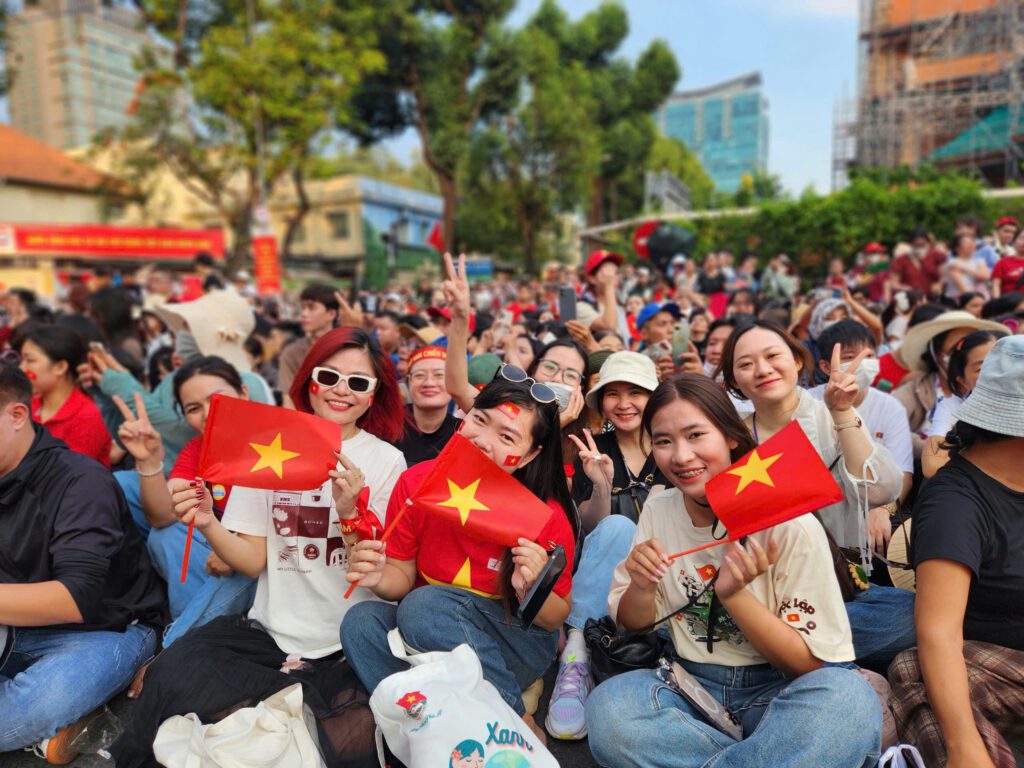
As of 2026, Vietnam’s population stands at just over 102 million people, making it the 16th most populous country in the world and the third-largest in Southeast Asia. Despite a relatively small landmass—roughly the size of Italy or the US state of New Mexico—the country feels incredibly vibrant and alive due to its high population density, particularly in the fertile coastal plains and river deltas.
Here is a quick snapshot of modern Vietnam:
| Demographic Indicator | Current Data |
| Total Population | ~102.2 million |
| Median Age | 33.9 years |
| Life Expectancy | ~75 years |
| Urban Population | ~42% |
| Rural Population | ~58% |
2. A Nation of Youth: The “Golden” Population
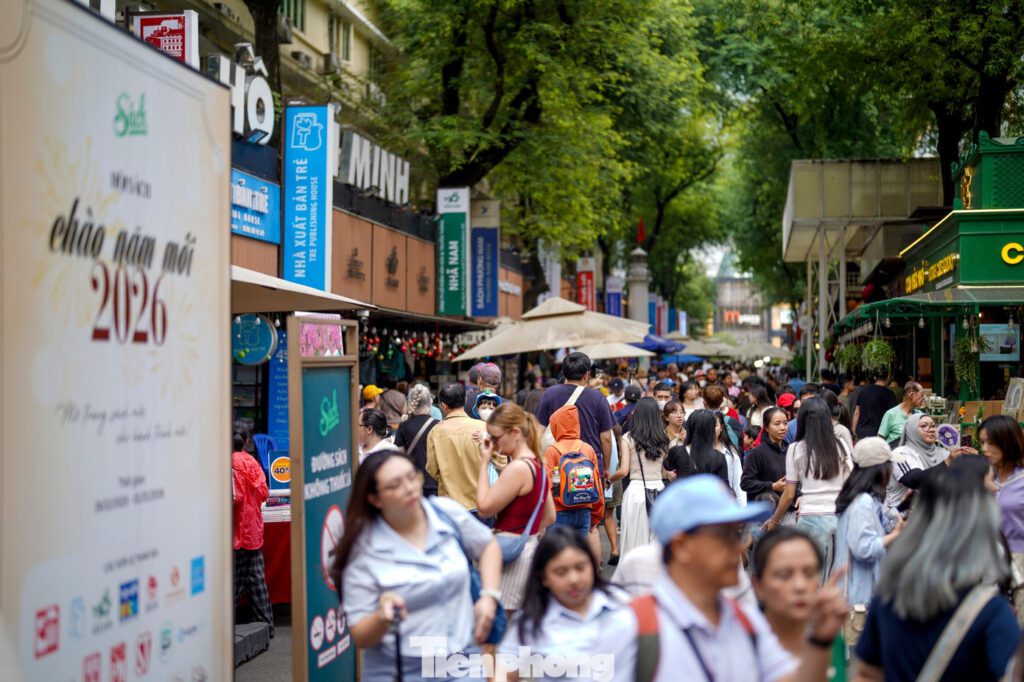
If you visit major cities like Hanoi, Da Nang, or Ho Chi Minh City, the very first thing you will notice is the buzzing, youthful energy. Vietnam is currently in what demographers call a “golden” population period. This means that for every dependent person (children under 15 or seniors over 65), there are two people of working age. With a median age of just under 34, the streets are filled with students, young professionals, and creative entrepreneurs.
For travelers, this youthful demographic translates into a highly dynamic and fast-paced culture. The younger generation is incredibly tech-savvy, highly connected, and eager to interact with international visitors. You will find a seamless blend of traditional customs and modern global trends. It is completely normal to see a centuries-old pagoda standing right next to a trendy specialty coffee shop, or to find Gen Z locals eager to practice their English with you while strolling around Hoan Kiem Lake in Hanoi.
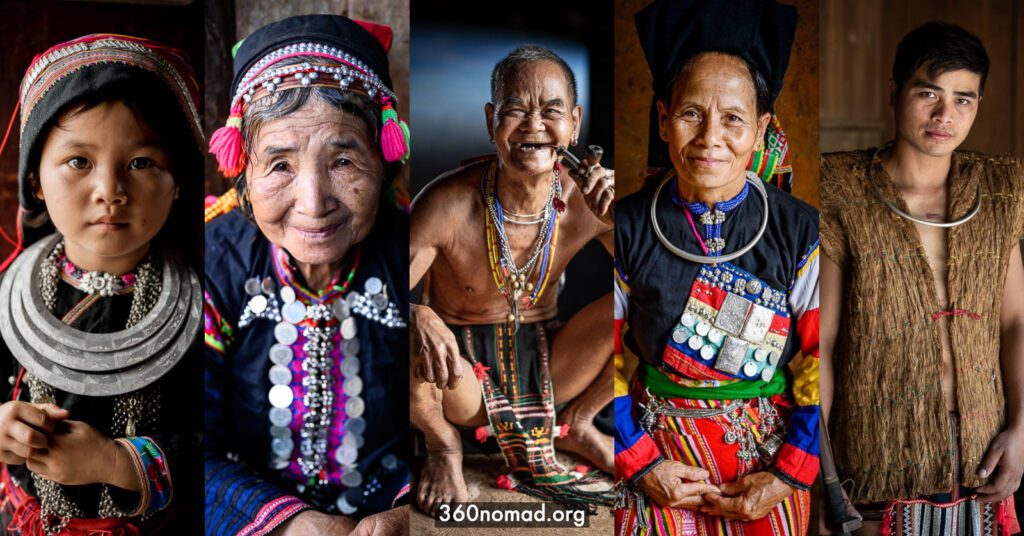
3. The Ethnic Tapestry: 54 Distinct Groups
Vietnam is a remarkably diverse country, both geographically and ethnically. While the Kinh (ethnic Vietnamese) make up about 86% of the population and primarily live in the coastal lowlands and major cities, the government officially recognizes 54 distinct ethnic groups.
If your itinerary takes you into the mountainous regions of the North (such as Sapa, Ha Giang, or Mai Chau) or the Central Highlands, you will encounter the remaining 14% of the population. These include groups such as the Tay, Thai, Muong, Hmong, Dao, and Khmer. Each group possesses its own distinct language, traditional clothing, architectural styles, and ancestral belief systems.
Traveler Tip: Engaging with ethnic minorities through community-based tourism and homestays is one of the most rewarding experiences you can have in Vietnam. When purchasing handicrafts, textiles, or trekking services, try to buy directly from local minority cooperatives to ensure your tourist dollars directly support these unique communities.
4. Where Does Everyone Live? The Urban-Rural Split
Despite the rapid economic growth and modernization of its metropolises, Vietnam remains fundamentally connected to its land. About 58% of the population still lives in rural areas, deeply tied to agriculture, aquaculture, and traditional crafts.
The population is heavily concentrated in two main geographical “rice bowls”:
- The Red River Delta in the North: Surrounding the capital city of Hanoi, this region is historically the cradle of Vietnamese civilization, characterized by four distinct seasons and a more traditional, reserved culture.
- The Mekong Delta in the South: The massive agricultural heartland below Ho Chi Minh City. Life here revolves around the water, featuring a tropical climate and a generally more laid-back, open culture.
Taking a boat ride through the Mekong Delta or cycling through the villages outside of Ninh Binh offers a glimpse into a completely different pace of life, where floating markets, lush paddies, and wooden stilt houses replace the soaring skyscrapers of the city.
5. Language and Beliefs: The Cultural Fabric
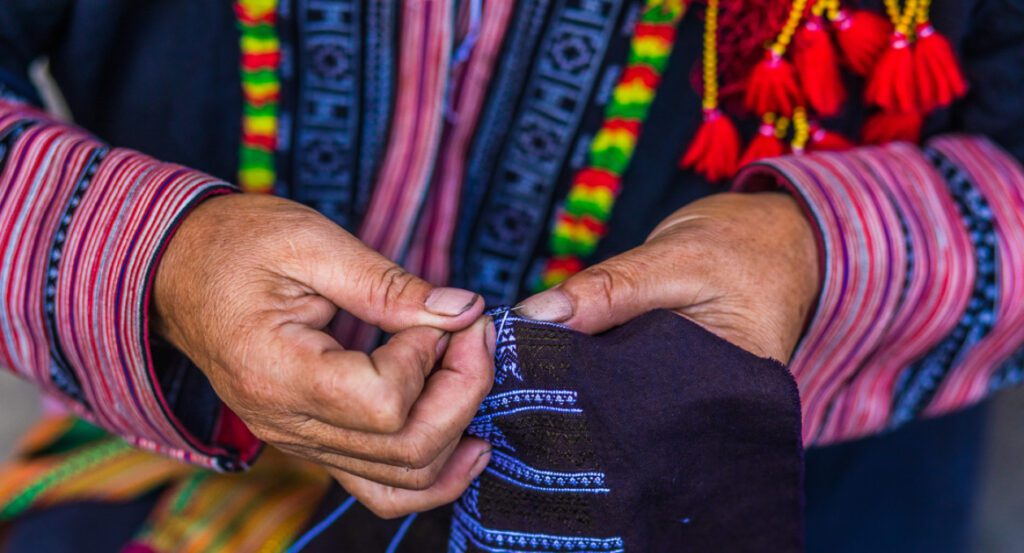
While Vietnamese is the official language, the linguistic landscape is as varied as the geography. You will notice distinct accents and vocabulary differences between the North, Central, and Southern regions. English is widely taught in schools, and you will find that a large portion of the younger population and those working in hospitality speak it quite well, making travel highly accessible.
Religiously, Vietnam is a fascinating melting pot. Officially an atheist state, the reality on the ground is highly spiritual. The majority of the population practices a blend of Mahayana Buddhism, Confucianism, and Taoism, heavily intertwined with ancestor worship. You will see small ancestral altars in almost every home, shop, and hotel. Vietnam also has a significant Catholic population (around 7%), a legacy of French colonialism, and is home to unique indigenous religions like Cao Dai, which blends elements of Buddhism, Christianity, Taoism, and Islam.
6. Cultural Quirks: What Travelers Should Know
Beyond the hard numbers, there are a few demographic realities and cultural quirks that will help you navigate your trip with ease and respect:
- The Name Game: You will meet a lot of people named Nguyen (pronounced somewhat like “Nwin”). In fact, roughly 40% of the Vietnamese population shares this surname. It was the name of the last royal dynasty (which ended in 1945), but today, people with this name are usually not related by blood.
- Family First: Multi-generational living is the absolute norm. It is incredibly common for elderly parents to live in the same house as their adult children and grandchildren. Filial piety—deep respect for parents and elders—is a cornerstone of Vietnamese society. Always show respect to older individuals; offering a polite nod and using both hands when handing something to an elder goes a long way.
- The Early Bird Culture: Because the tropical climate can get intensely hot by midday, Vietnamese people start their days incredibly early. If you wake up at 5:30 AM, you will see public parks already packed with people doing Tai Chi, playing badminton, drinking iced coffee, or going for a morning jog. Join them to see cities at their most authentic.
- Saving Face: Like many Asian cultures, maintaining harmony and avoiding public embarrassment (“saving face”) is crucial. Displays of public anger or shouting are heavily frowned upon. A polite, calm demeanor and a smile will solve almost any travel hiccup.
Let the People Be Your Guide
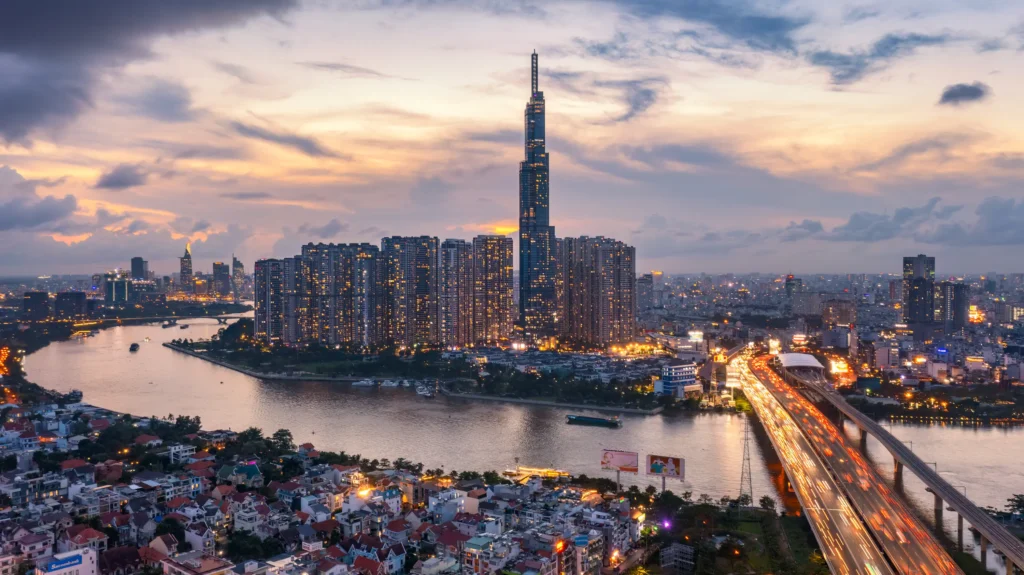
The demographics of Vietnam paint a picture of a nation that is rapidly looking toward the future while holding fiercely to its rich, diverse, and ancient heritage. From the bustling, neon-lit streets of its mega-cities to the quiet, ancestral traditions of its highland minorities, the people of Vietnam are what make this country truly unforgettable.
Ready to experience this vibrant culture for yourself?
Let VietOne Travel help you craft the perfect itinerary to connect with the heart and soul of Vietnam.