Meta Description: Experience-centered tourism is the biggest travel trend of 2026. Discover the top 5 authentic cultural experiences in Vietnam and learn how travel professionals can sell them.
The travel industry is changing. Today, tourists no longer want to rush from one crowded monument to another. Instead, they want to “travel deeper.” They are looking for meaningful, immersive activities that connect them with authentic local culture.
In 2026, experience-centered tourism is booming in Vietnam. Travelers are trading standard sightseeing for “slow travel”—taking the time to understand the places they visit. They want to learn how to cook traditional meals, create local crafts, and experience the daily life of Vietnamese communities.
For travel professionals, this is a massive opportunity. Experiential travel creates stronger emotions and happier clients, leading to better reviews and higher sales. Here are five of the best authentic cultural experiences in Vietnam that you should include in your packages this year.
Top 5 Cultural Experiences in Vietnam to Offer Clients
1. Rice Harvesting and Farming with Local Communities
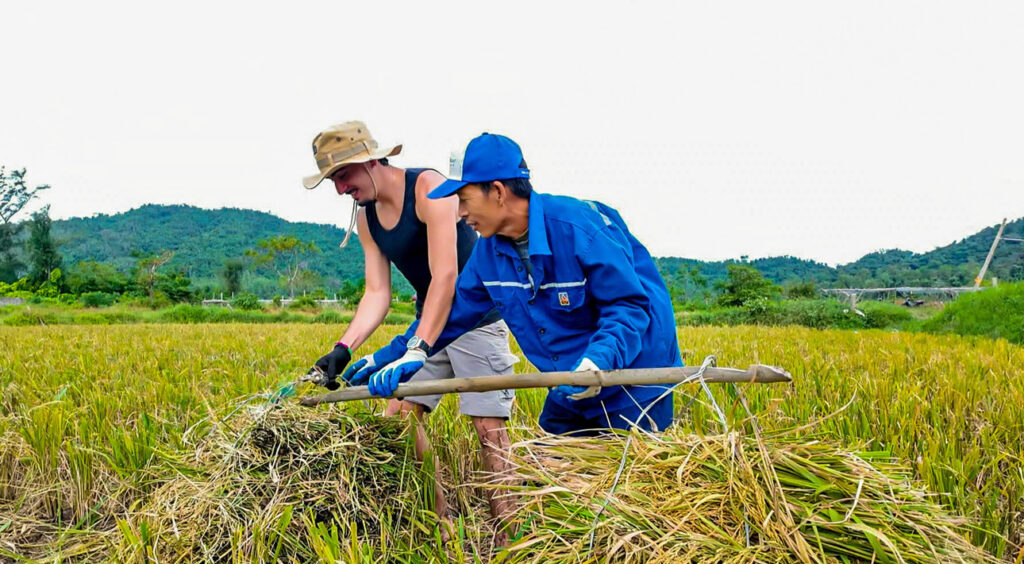
Vietnam’s beautiful countryside is one of its biggest attractions. But instead of just looking at the green rice fields from a bus window, modern travelers want to step into the mud and experience farming themselves.
In destinations like Sapa in the north or the emerging destination of Mai Chau, you can book agricultural tours for your clients. They can join local farmers to plant or harvest rice, learn how to use traditional farming tools, and understand the hard work behind every bowl of rice. It is a fantastic, hands-on activity that brings clients closer to nature.
(Agent Tip: This is a perfect activity for families with children. It is educational, fun, and gets kids away from their screens.)
2. Hands-On Cooking Classes in a Local Home
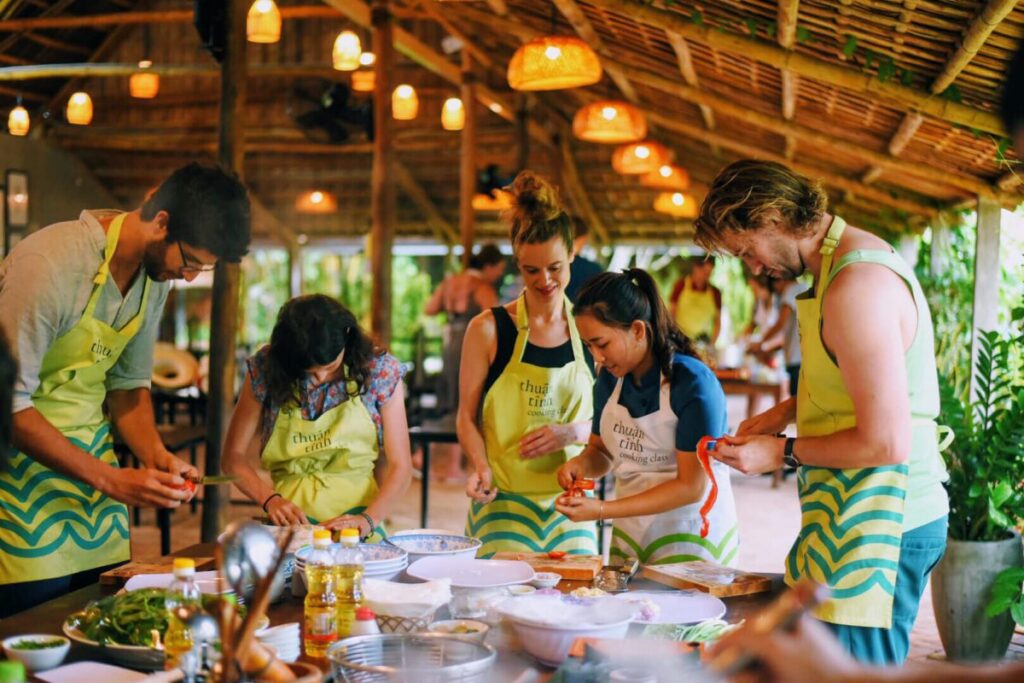
Vietnamese food is famous around the world. While eating in a nice restaurant is great, learning to cook the food with a local family is an unforgettable experience.
Instead of booking a generic cooking class in a large hotel, arrange for your clients to visit a private home in Hoi An or Hue. A typical immersive culinary tour starts early in the morning at a bustling local market. A local host will teach your clients how to select fresh herbs, vegetables, and spices. Then, they will return to the family kitchen to prepare classic dishes like pho (noodle soup) or fresh spring rolls.
(Agent Tip: Food tourism is highly profitable. You can easily upsell standard city tours by adding a premium home-hosted cooking experience.)
3. Creating Traditional Crafts in Historic Villages
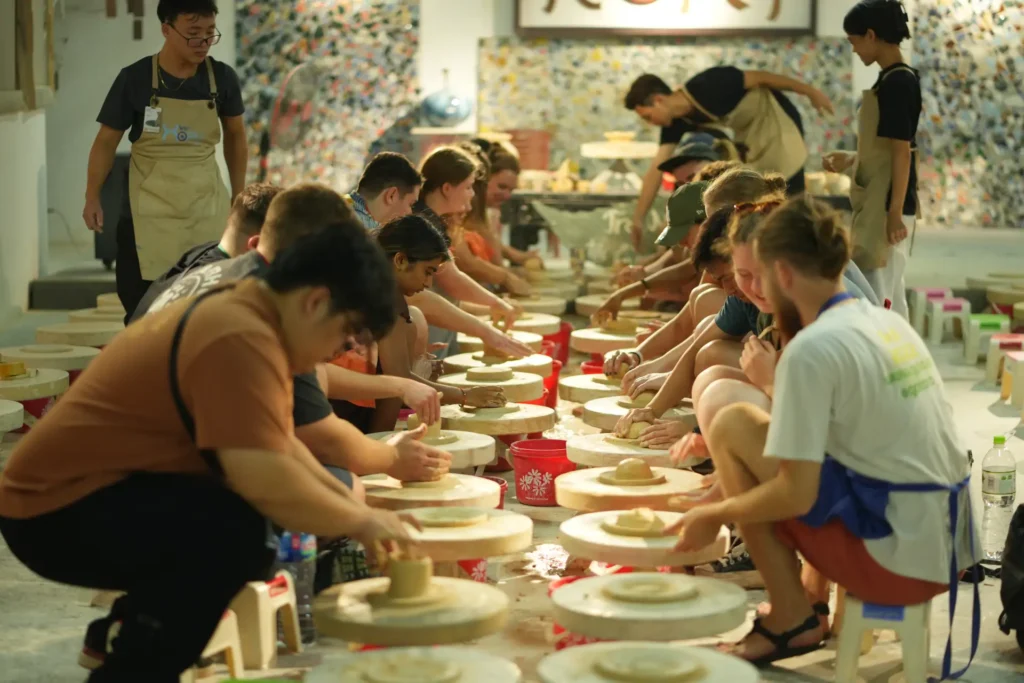
Vietnam has a rich history of artisanship that dates back thousands of years. Today, tourists want to create their own souvenirs rather than buying mass-produced items from a gift shop.
Near Hanoi, the famous Bat Trang Pottery Village is an excellent destination for craft lovers. Clients can wander through narrow streets filled with ceramic workshops and then sit down with a master potter to mold their own clay bowl or vase. In the central highlands or northern mountains, you can also arrange workshops where ethnic minority women teach travelers traditional weaving and fabric dyeing techniques.
(Agent Tip: Craft workshops are excellent options for rainy days when outdoor activities might be cancelled.)
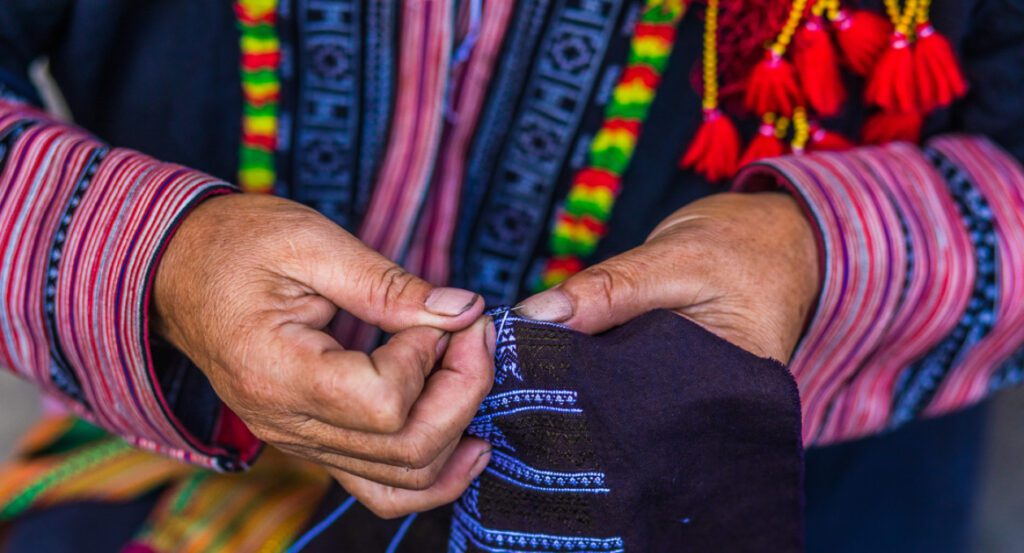
4. Deep Cultural Immersion with Ethnic Minorities
To truly travel deeper, visitors need to connect with the people who live in Vietnam’s remote areas. The northern mountains are home to many diverse ethnic minority groups, each with their own unique language, clothing, and traditions.
Rather than a quick photo stop, encourage your clients to book a homestay in a traditional stilt house. Here, they can share meals with the host family, listen to local stories, and participate in daily village life. To ensure this is done respectfully, always partner with tour operators that focus on community-based, sustainable tourism. This ensures the money your clients spend directly supports the local economy.
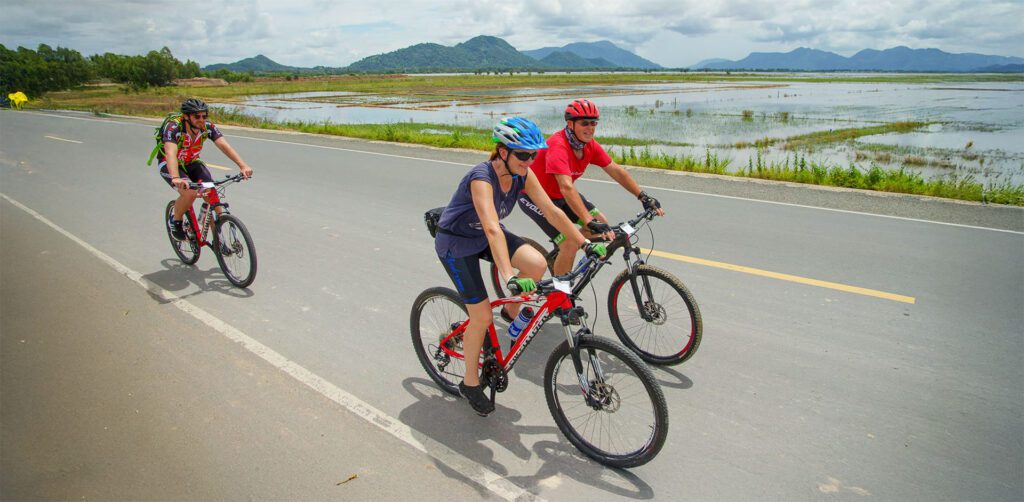
5. Slow Cycling Through the Mekong Delta
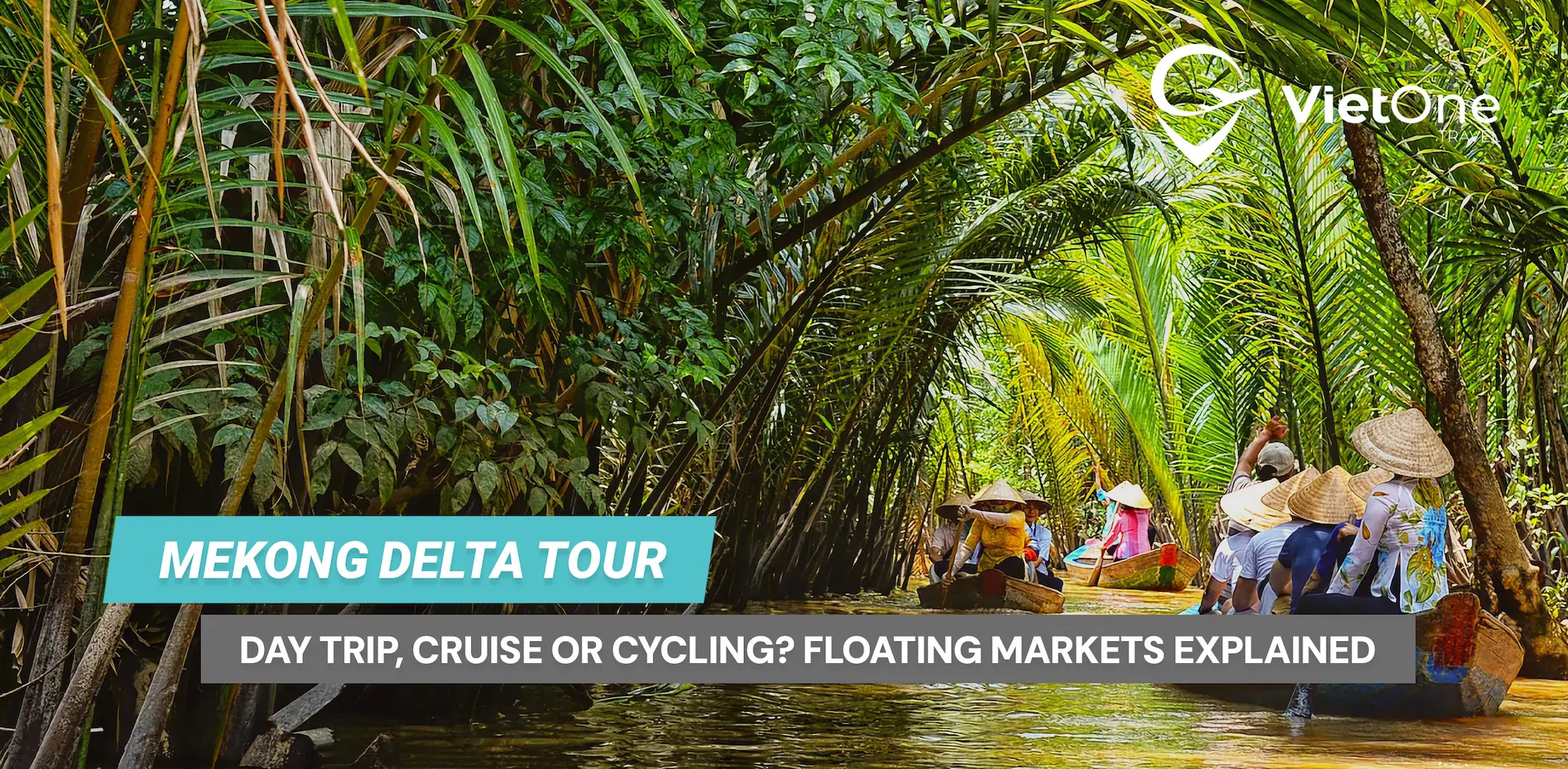
The Mekong Delta in southern Vietnam is a maze of rivers, floating markets, and lush fruit orchards. Many tourists only visit for a rushed day trip from Ho Chi Minh City. However, the true magic of the Delta is found when you slow down.
Design an itinerary where your clients spend two or three days in the region. They can ride bicycles through quiet, non-touristy villages, wave to friendly locals, and visit small family-run businesses making coconut candy or rice paper. Spending the night in a riverside homestay allows them to wake up early and explore the authentic floating markets before the big tourist boats arrive.
How Travel Professionals Can Sell “Experiential Travel”
Selling cultural immersion requires a different approach than selling a standard beach holiday. Here is how you can pitch these experiences to your clients:
- Focus on the Story: Do not just sell a list of places. Sell the story. Tell your clients about the local farmer they will meet or the ancient craft they will learn.
- Target the Right Clients: These tours are perfect for Millennials, active solo travelers, and couples seeking unique honeymoon experiences. They are also excellent for multi-generational families wanting to bond over shared activities.
- Highlight the Value of “Slow”: Remind clients that seeing three places deeply is much more relaxing and rewarding than rushing through ten places and feeling exhausted.
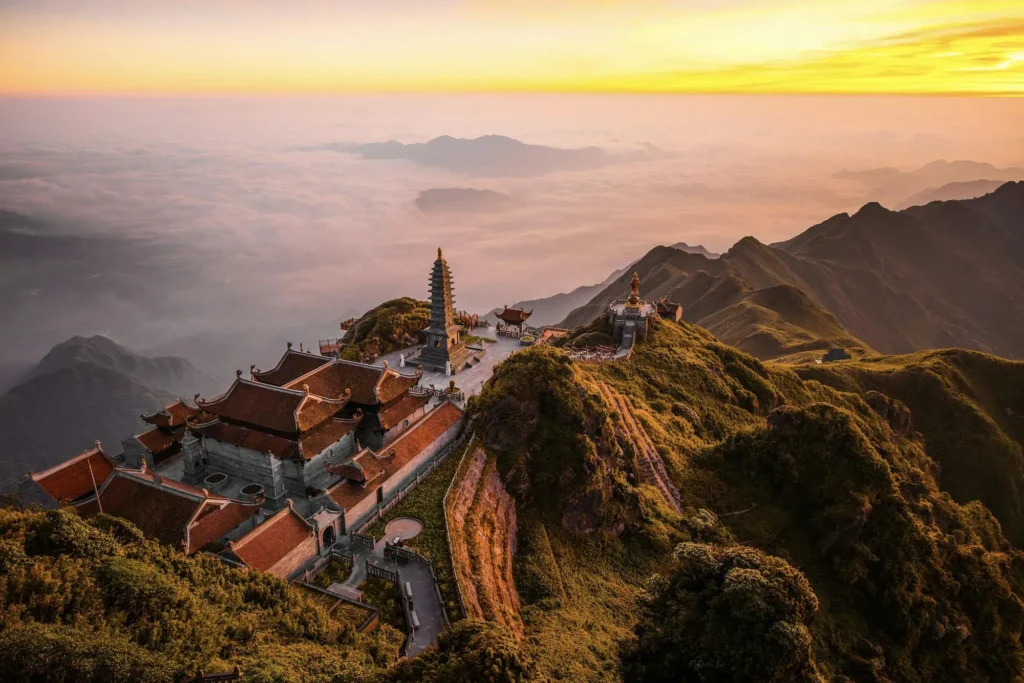
A Quick 7-Day “Slow Travel” Sample Itinerary (Northern Vietnam)
Here is a highly cultural, slow-paced itinerary you can offer to clients looking for an authentic Northern Vietnam experience:
- Day 1: Arrive in Hanoi. Settle in and take a late afternoon walking tour through the hidden alleys of the Old Quarter.
- Day 2: Visit a local market with a host family, followed by a private home-cooked lunch. In the afternoon, enjoy a traditional egg coffee at a historic cafe.
- Day 3: Travel to Bat Trang village. Spend the morning learning ceramic making from a local artisan. Return to Hanoi for a street food tour.
- Day 4: Drive to the quiet mountains of Mai Chau. Check into an eco-friendly lodge or a comfortable homestay in a traditional stilt house.
- Day 5: Join the local community for a morning of rice harvesting or farming. Enjoy a leisurely bicycle ride through the valley in the afternoon.
- Day 6: Participate in a traditional weaving workshop with local ethnic minority women. Enjoy a farewell dinner featuring regional highland specialties.
- Day 7: Enjoy a slow, peaceful morning in the mountains before transferring back to Hanoi for the flight home.
Partner With Us
Are you ready to offer your clients the most authentic and memorable trips to Vietnam in 2026? Partner with VietOne Travel to access exclusive, community-based itineraries, the best local guides, and 24/7 B2B support. Let us help you turn a simple vacation into an unforgettable cultural journey.