Every travel agent knows the dilemma: clients want perfect weather and authentic experiences, but they don’t want to pay peak season prices or fight through crowds of tourists. For Vietnam destinations, there’s a sweet spot that delivers all three—the shoulder seasons. Understanding when and where to send clients during these transitional periods can transform you from just another agent into a trusted Vietnam specialist who consistently delivers exceptional value.
Vietnam’s shoulder seasons—roughly April to June and September to November—represent some of the best-kept secrets in Southeast Asian travel. While peak season travelers pack into Halong Bay and Hoi An from December through March, savvy agents are directing their clients to experience Vietnam’s magic during periods when the weather remains excellent, prices drop significantly, and authentic local experiences become far more accessible.
Understanding Vietnam’s Complex Seasonal Patterns
Vietnam’s geography creates distinct climate zones that don’t follow a simple seasonal pattern. The country extends more than 1,600 kilometers from north to south, creating three separate climate regions that each experience weather differently throughout the year. This complexity is actually an advantage for travel agents—when one region enters its rainy season, another often enjoys perfect conditions.
The traditional peak season runs from December through April, when northern Vietnam enjoys cool, dry weather and southern Vietnam basks in sunshine. During these months, popular destinations see hotel occupancy rates reaching 80% or higher, prices increase by up to 50% in coastal areas, and attractions become crowded with both international and domestic tourists.
The shoulder seasons offer a dramatically different experience. From April through June and September through November, weather conditions remain highly favorable across much of Vietnam, yet tourist numbers decline significantly. More importantly, these periods avoid the intense summer heat and heavy rainfall that characterize July and August in many regions.
April Through June: The Spring Shoulder Season
The spring shoulder season begins as northern Vietnam warms from its winter coolness and southern Vietnam transitions toward its rainy period. This creates a perfect window for specific itineraries that capitalize on regional weather patterns.
Northern Vietnam in Spring
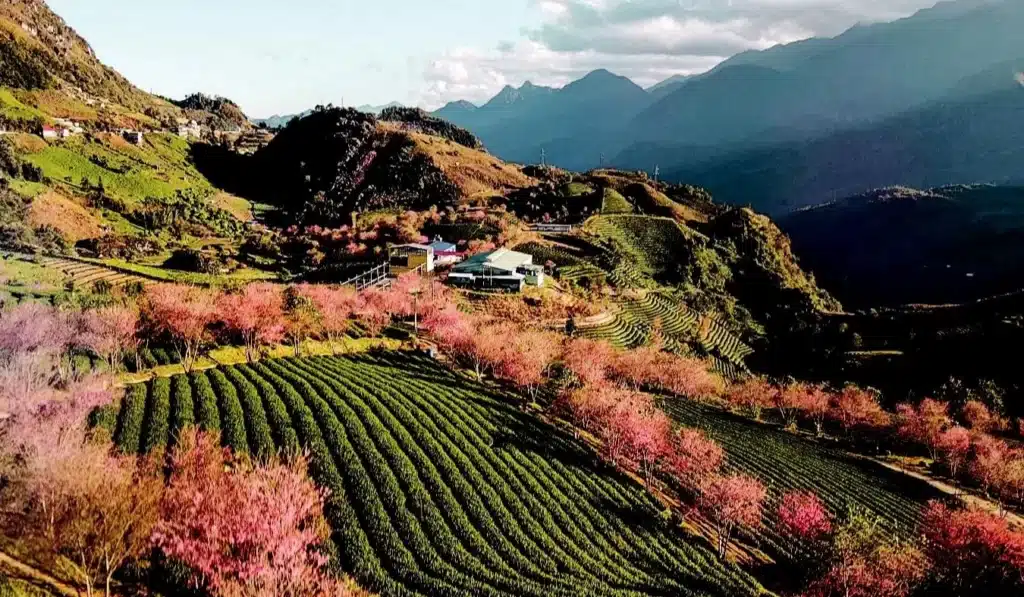
April and May represent ideal months for northern destinations. Temperatures in Hanoi range from comfortable mid-70s to mid-80s Fahrenheit, perfect for city exploration without the winter chill or summer heat. The countryside around Sapa and Mai Chau bursts into brilliant green as rice paddies are planted, creating stunning photographic opportunities that rival the famous golden harvest season.
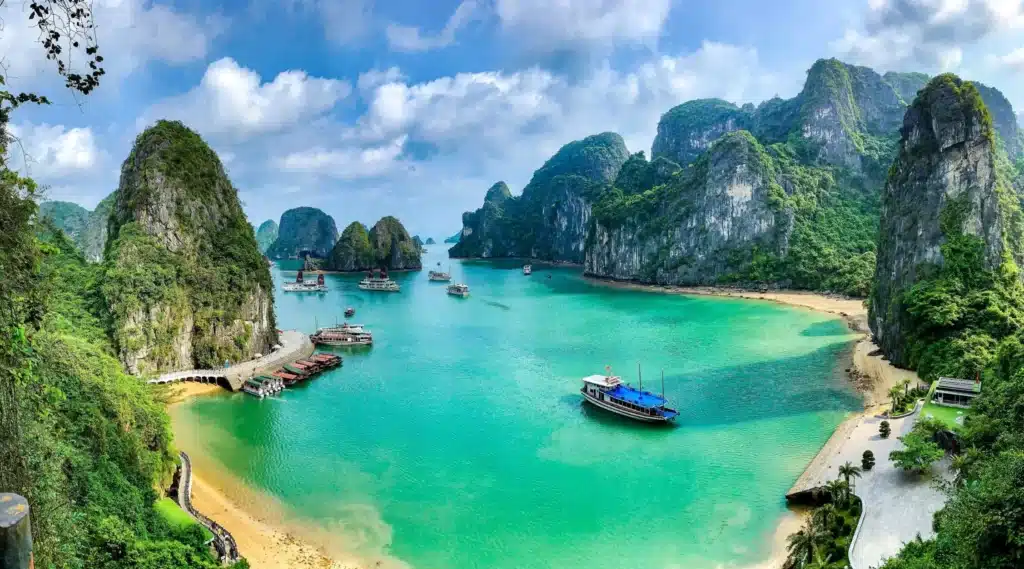
Halong Bay experiences some of its clearest weather during these months, with blue skies replacing the fog that can occasionally obscure winter months. Fewer boats on the water mean your clients enjoy more intimate cruising experiences, and accommodation prices on overnight junks drop noticeably from peak season rates.
The northern highlands see particularly favorable conditions. Mu Cang Chai’s terraced rice fields begin their transformation into the lush green carpets that photographers love, while temperatures remain comfortable for trekking and outdoor activities. Villages are less crowded with tourists, allowing for more authentic interactions with ethnic minority communities.
Central Vietnam’s Extended Dry Season
Central Vietnam destinations like Hoi An, Hue, and Da Nang enjoy their longest dry season from February through August, making April through June an exceptional value period. The weather remains consistently sunny and warm, ideal for beach activities and cultural exploration, yet tourist numbers begin declining as peak season ends.
Hoi An becomes particularly magical during these months. The ancient town’s lantern-lit streets feel less congested, restaurants don’t require advance reservations, and tailors have more time to create custom clothing without the rush of peak season orders. Beach resorts along the coast offer significant discounts while maintaining perfect swimming conditions.
Nha Trang’s beaches reach their prime during this period. The sea remains calm and clear, ideal for snorkeling and diving, while hotel rates drop from their peak season highs. This creates opportunities for agents to offer luxury beach experiences at mid-range prices, delivering exceptional value that impresses clients.
Strategic Itinerary Planning
The key to maximizing spring shoulder season lies in strategic itinerary design. Start clients in the north where weather remains excellent, then move south before the southwest monsoon becomes established in southern Vietnam. A typical winning itinerary might flow from Hanoi through Halong Bay, down to Hue and Hoi An, ending in Ho Chi Minh City and the Mekong Delta in early May before substantial rains begin.
For clients interested in beach destinations, April and May offer the last opportunity to enjoy southern beaches like Phu Quoc before the rainy season intensifies. Alternatively, central coast beaches remain perfect throughout this entire period, making them the safe choice for beach-focused itineraries extending into June.
September Through November: The Autumn Golden Window
Autumn shoulder season arguably offers even better opportunities than spring, particularly for comprehensive Vietnam itineraries. As summer heat and rain subside, the country enters a period of comfortable temperatures, lush landscapes, and dramatically reduced crowds.
Northern Vietnam’s Autumn Beauty
September through November represents the absolute best time for northern Vietnam travel. The oppressive summer humidity breaks, temperatures moderate into the comfortable 70s and low 80s, and the harvest season creates stunning golden rice terraces throughout the highlands.
Sapa becomes particularly spectacular from late September through October when rice terraces turn brilliant gold before harvest. Trekking conditions are ideal—not too hot, not too cold, with trails dried out from summer rains but landscapes still lush and green. Tourist numbers remain manageable compared to the winter peak season crush.
Halong Bay enters a particularly reliable weather period. October and November offer consistent conditions with minimal rain, comfortable temperatures, and excellent visibility. This is when experienced agents send their most discerning clients, knowing they’ll encounter optimal cruising conditions without peak season crowds or prices.
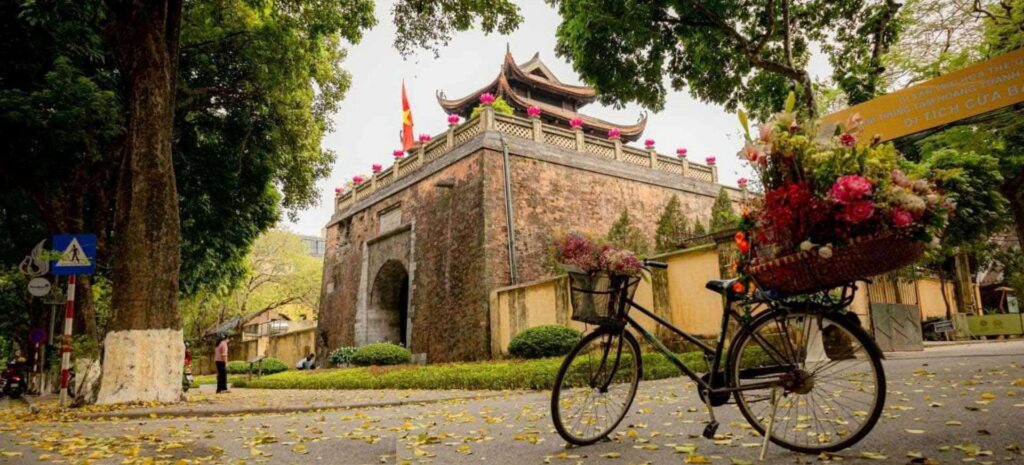
Hanoi shines during autumn months. The city’s lakes and tree-lined boulevards look their best, outdoor dining becomes pleasant, and cultural attractions like museums and temples can be explored comfortably without summer heat or winter chill. Street food tours—increasingly popular with food-focused travelers—become particularly enjoyable as comfortable evening temperatures make outdoor dining a pleasure.
Central Vietnam’s Transition Period
Central Vietnam requires more careful planning during autumn shoulder season. September and early October can still experience heavy rainfall as the northeast monsoon establishes itself. However, by late October and into November, conditions improve dramatically.
Hoi An and Da Nang can receive significant rainfall in October, occasionally including typhoons, so this represents the one period when agents should exercise caution in central Vietnam. However, November often brings excellent conditions as rainfall diminishes and temperatures moderate from summer highs.
For risk-averse clients or those on tight schedules, consider bypassing central Vietnam in September and October, focusing instead on northern and southern regions. For more adventurous travelers or those seeking absolute best value, late October and November in central Vietnam can offer stunning post-rain landscapes, lush countryside, and rock-bottom prices.
Southern Vietnam’s Green Season Advantages
Southern Vietnam’s shoulder season coincides with what locals call the “green season”—the latter part of the rainy season when landscapes are lush and verdant but heavy downpours become less frequent. September through November sees the Mekong Delta at its most beautiful, with rice paddies brilliant green and waterways full for optimal boat tours.
Rainfall in southern Vietnam during this period typically takes the form of afternoon thunderstorms that clear quickly rather than day-long drizzles. Savvy agents can design itineraries with indoor activities and cultural experiences scheduled for typical rain hours, leaving mornings free for outdoor exploration when conditions are generally excellent.
Phu Quoc Island begins its transition toward dry season in November, making this an excellent month to include beach time at reduced shoulder season rates. Ho Chi Minh City remains vibrant and accessible throughout these months, with short rain showers rarely disrupting touring schedules.

The Pricing Advantage: Numbers That Matter to Clients
Understanding the financial benefits of shoulder season travel helps agents sell these periods effectively. The numbers are compelling and make a genuine difference in trip affordability and value.
Hotel rates in popular destinations like Hanoi average around 28 dollars during shoulder months compared to 52 dollars during peak season—nearly a 50% reduction. In beach destinations, the differential can be even more dramatic, with some properties offering rates 40-60% below peak season pricing.
These savings extend beyond accommodation. Tour operators offer promotional rates during shoulder periods, airline seat sales become more common, and even restaurant prices in tourist areas often decrease as competition for fewer tourists intensifies. For a typical 10-day Vietnam itinerary, shoulder season timing can easily save clients 800 to 1,200 dollars compared to identical peak season arrangements.
The value proposition extends beyond raw dollars saved. With the same budget, clients can upgrade accommodations from mid-range to luxury, add premium experiences like private tours or cooking classes, or extend their trip by several days. This transforms the agent’s role from simple booking to genuine travel consultant, delivering enhanced experiences within client budgets.
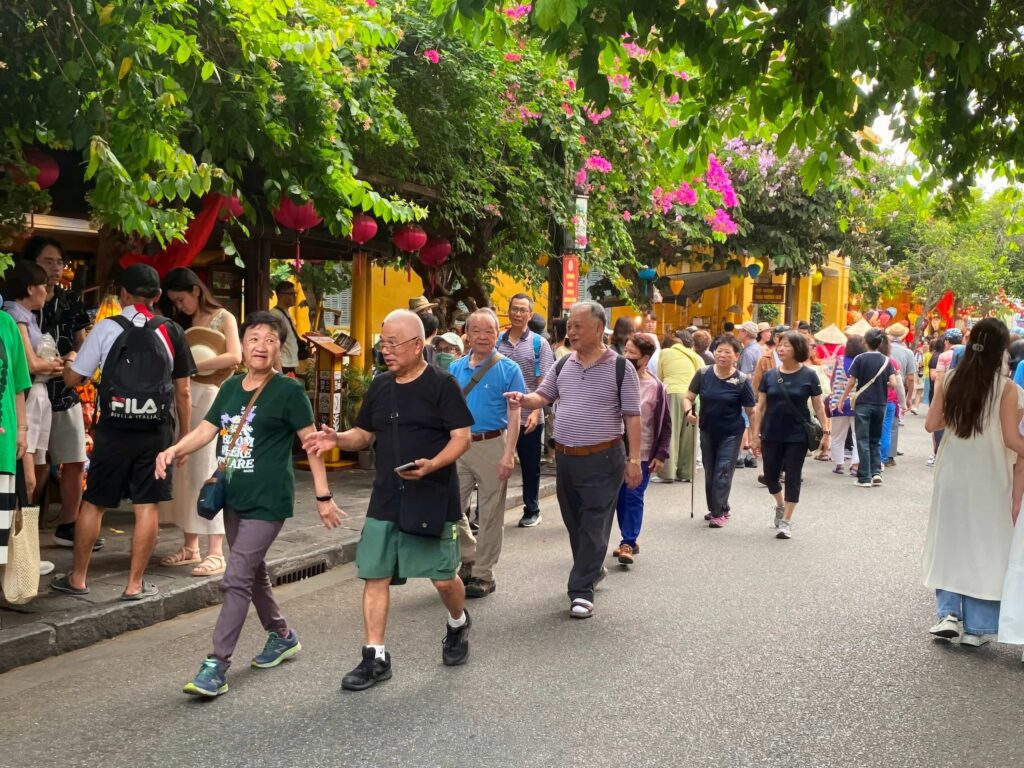
Avoiding the Crowds: The Authentic Experience Factor
Modern travelers increasingly value authentic experiences over checking boxes at crowded tourist sites. Shoulder season timing delivers this authenticity naturally, creating opportunities for meaningful interactions that peak season simply cannot provide.
Popular attractions like Hoi An’s Ancient Town, Hanoi’s Old Quarter, and Halong Bay become genuinely accessible during shoulder months. Your clients can photograph the Japanese Bridge without fighting through crowds, explore street food markets without being jostled, and enjoy cruise experiences without feeling like they’re in a floating resort.
Restaurants become easier to book, often on same-day notice rather than requiring days or weeks of advance planning. Cooking classes have smaller groups and more instructor attention. Market visits feel like genuine cultural immersion rather than tourist attractions designed for mass consumption.
For photography enthusiasts—an increasingly common special interest—shoulder season offers superior opportunities. Fewer people in shots, better access to ideal vantage points, and more patience from guides and drivers create conditions for exceptional images. This matters particularly in Instagram-age travel, where clients increasingly judge trips by the quality of images they can share.
Special Considerations and Insider Tips
Successful shoulder season planning requires understanding several nuances that can make the difference between a good trip and an exceptional one.
Regional Weather Variability
Remember that Vietnam’s climate varies not just regionally but locally. Hue can experience very different weather than Hoi An despite being relatively close, because they sit on opposite sides of a mountain range. Da Lat in the central highlands maintains pleasant temperatures year-round but experiences heavy rainfall from June through October.
When booking shoulder season trips, consider backup plans for regions with less predictable weather. Build flexibility into itineraries so weather-dependent activities can shift if conditions warrant. This might mean having both beach and cultural options available in central Vietnam during October, or scheduling Halong Bay cruises with the option to reschedule if weather looks problematic.
Vietnamese Holiday Periods
Vietnam’s domestic tourism peaks can dramatically impact availability even during shoulder months. The Reunification Day and International Workers’ Day holidays around April 30 and May 1 create a short but intense domestic travel period when hotels and transportation book up months in advance.
Similarly, while not technically during shoulder season, the Tet Lunar New Year holiday in late January or early February can extend into early March depending on the lunar calendar. Understanding these domestic patterns helps avoid unexpected capacity constraints that could disrupt shoulder season advantages.
Festival Opportunities
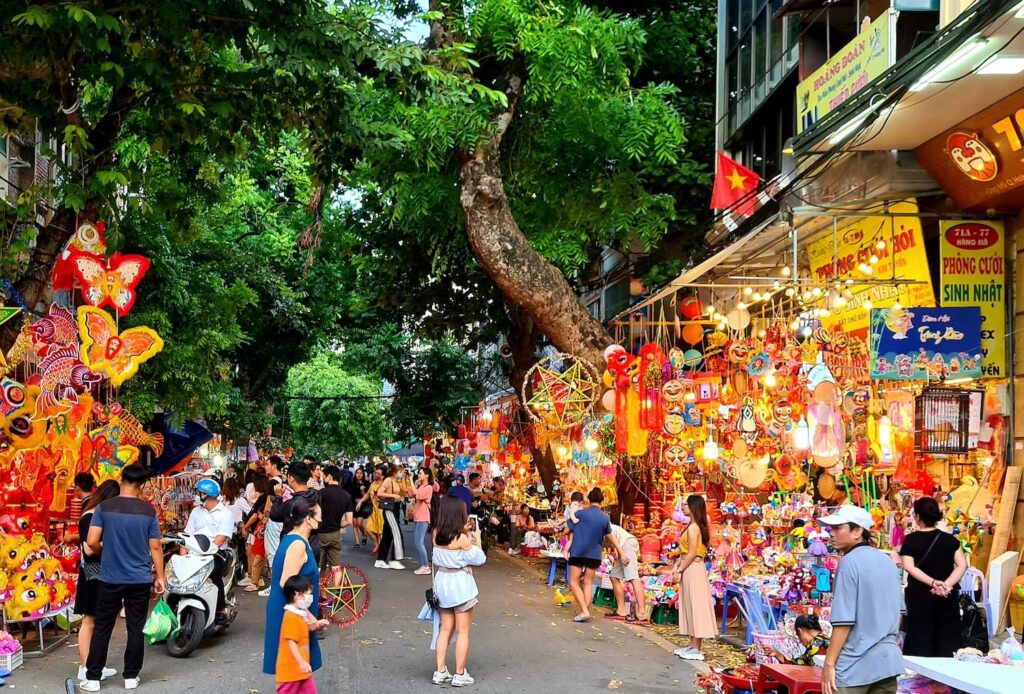
Shoulder seasons overlap with several significant Vietnamese festivals that enhance cultural experiences. The Mid-Autumn Festival in September or October features lantern displays throughout Vietnam, particularly spectacular in Hoi An. The Hue Festival, held biennially in April, showcases central Vietnam’s royal heritage with performances, exhibitions, and cultural events.
Da Nang’s International Fireworks Festival typically occurs in late May or early June, creating a spectacular addition to central Vietnam itineraries. These festivals provide compelling reasons for clients to travel during shoulder periods while adding unique cultural depth to their experiences.
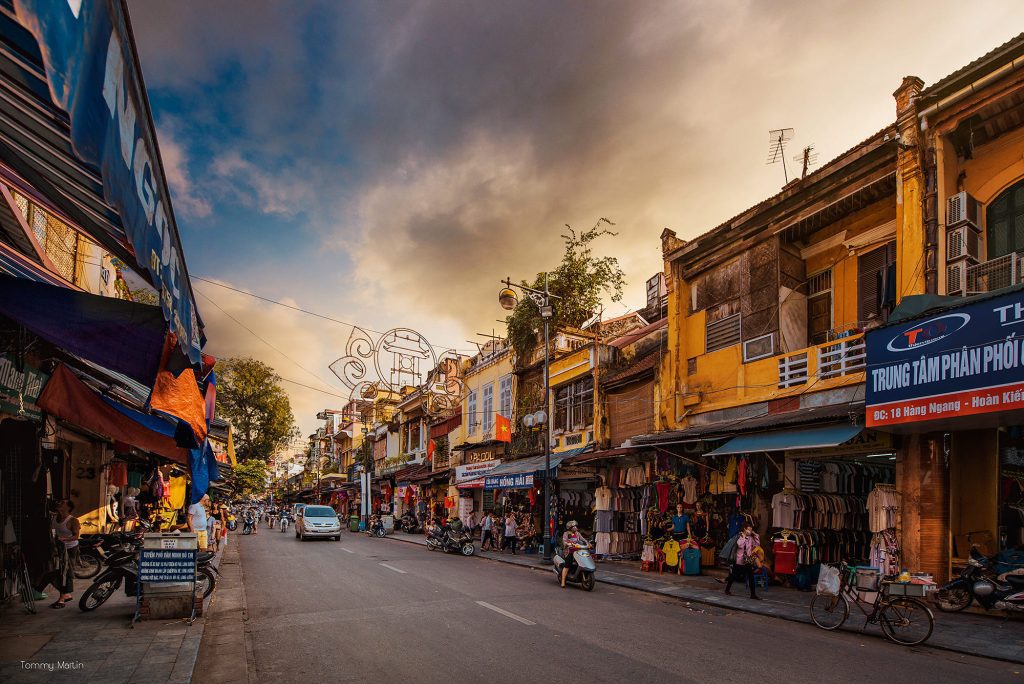
Building Shoulder Season Expertise: Positioning Yourself as the Vietnam Specialist
Successfully selling shoulder season Vietnam travel requires more than knowing dates and weather patterns—it demands the ability to articulate value and manage expectations effectively.
Communicating Weather Reality
When clients express concern about shoulder season weather, provide honest, balanced information. Explain that Vietnam’s shoulder seasons aren’t about avoiding all rain—they’re about finding the sweet spot where occasional showers are more than offset by better prices, smaller crowds, and often more lush, beautiful landscapes.
Share that in tropical destinations, brief afternoon showers often provide welcome relief from heat and rarely disrupt full-day plans. Emphasize that shoulder season doesn’t mean bad weather—it means transitional weather that smart travelers can work with for significant advantages.
Setting Appropriate Expectations
Successful shoulder season trips begin with appropriate expectations. Clients need to understand they might encounter occasional rain, particularly in southern and central regions during certain months. They should pack accordingly with light rain gear and flexible attitudes.
However, they should also understand what they’re gaining: more personalized service at hotels and restaurants, guides with more time and attention for their groups, attractions where they can actually see and photograph what they came for, and prices that allow them to afford experiences that would stretch budgets during peak months.
Partnering with Expert DMCs
Your success in selling shoulder season Vietnam heavily depends on working with destination management companies that understand regional weather patterns intimately and can adapt itineraries in real-time if needed. Look for DMCs with deep local expertise, strong supplier relationships, and proven track records in shoulder season operation.
A quality DMC like VietOne Travel, with 33 years of local experience, understands exactly which regions work best during which shoulder season months and can design itineraries that maximize weather advantages while minimizing risk. They maintain relationships with accommodation and service providers that allow for last-minute adjustments if weather requires itinerary modifications.
Sample Shoulder Season Itineraries That Work
Putting theory into practice, here are proven shoulder season itineraries that consistently deliver excellent results.
April-May Northern Vietnam Focus (8 Days)
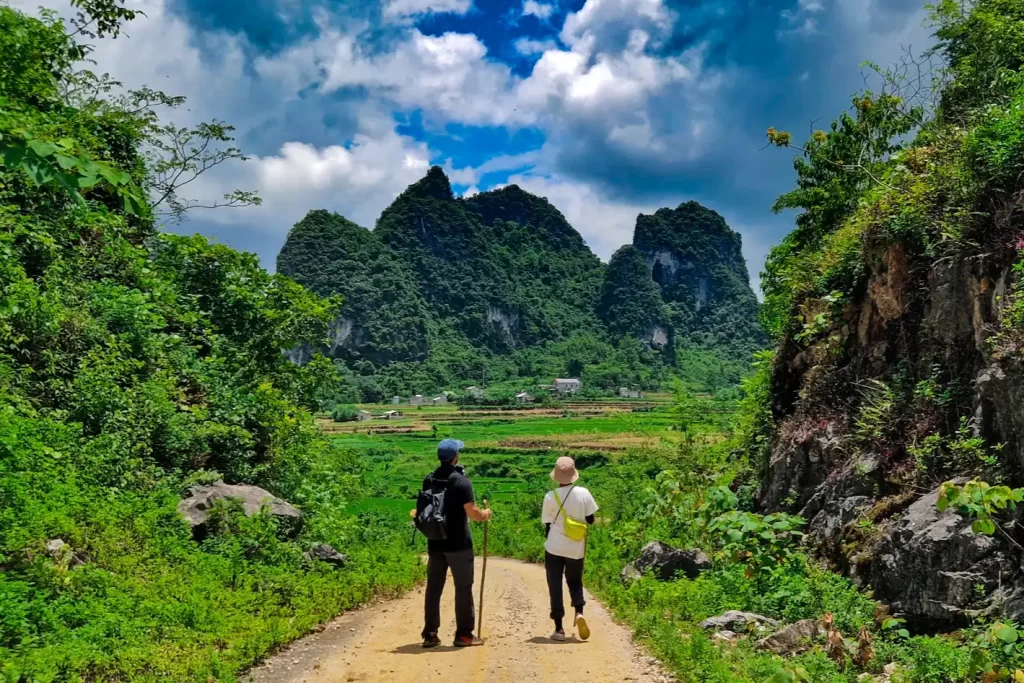
Start in Hanoi for three days of city exploration, street food tours, and cultural sites. Move to Halong Bay for a two-day, one-night cruise taking advantage of excellent April weather. Continue to Sapa or Mai Chau for two days of trekking through brilliant green rice paddies before returning to Hanoi for departure. This itinerary captures northern Vietnam at its spring best while avoiding central and southern regions as they enter rainier patterns.
October-November Grand Tour (14 Days)
Begin in Hanoi, enjoying autumn’s perfect weather for three days. Take a two-day Halong Bay cruise, then fly to Hue for two days exploring imperial history. Continue to Hoi An for three days of ancient town charm, beach time, and possibly a cooking class. Fly to Ho Chi Minh City for two days of history and urban energy, finish with two days exploring the Mekong Delta as it enters its beautiful green season. This comprehensive itinerary works because October-November provides good conditions across all three regions.
September-October Southern Focus (10 Days)
Start in Ho Chi Minh City with three days of history, culture, and phenomenal food. Take a two-day Mekong Delta tour when waterways are full and landscapes lush. Continue to Phu Quoc Island for five days of beach relaxation as the island begins its transition toward dry season, offering good weather at shoulder season prices. This itinerary avoids central Vietnam during its wettest period while capturing southern Vietnam’s green season beauty.
The Bottom Line: Becoming the Agent Who Knows When to Go
Vietnam’s shoulder seasons represent one of the best opportunities in travel sales today—periods when you can deliver genuinely better value without sacrificing quality or experience. The agent who masters shoulder season timing becomes the Vietnam expert clients trust and return to repeatedly.
The key lies in understanding that shoulder season isn’t about compromise—it’s about optimization. Yes, clients might encounter brief rain showers. But they’ll also experience Vietnam at a more relaxed pace, interact with locals more genuinely, photograph attractions without crowds, and afford upgrades that would be impossible during peak months.
As Vietnam’s tourism continues its explosive growth, with over 22 million international visitors expected in 2025, the differential between peak and shoulder season experiences will only become more pronounced. The agents who recognize this now and build shoulder season expertise will differentiate themselves in an increasingly competitive market.
Your clients want value, authenticity, and memorable experiences. Vietnam’s shoulder seasons deliver all three in abundance. Learn the patterns, partner with expert DMCs who understand local conditions, communicate honestly about weather realities, and watch your Vietnam bookings flourish year-round rather than just during traditional peak months.
The secret to Vietnam travel isn’t about when everyone else goes—it’s about knowing when to go for the experience your specific clients value most. Master that knowledge, and you’ll transform from just another agent booking Vietnam tours into the trusted specialist clients seek out specifically for your expertise.