The Southeast Asian tourism landscape is experiencing a dramatic shift in 2025, and savvy travel agents need to pay attention. While Thailand has long dominated the region’s tourism market, Vietnam is rapidly emerging as the destination of choice for discerning travelers. With a remarkable 21.5% year-on-year increase in international arrivals and expectations to welcome over 22 million visitors by year-end, Vietnam is not just competing with Thailand—it’s redefining what travelers want from a Southeast Asian experience.
For travel agents, this shift presents both an opportunity and a challenge. Understanding why Vietnam is gaining ground can help you better serve your clients while tapping into one of the world’s fastest-growing tourism markets.

The Numbers Tell a Compelling Story
The data from 2025 paints a clear picture. While Thailand welcomed over 35 million tourists in 2024, the country is now facing significant headwinds. Recent reports indicate Thailand could see a 7% decline in foreign arrivals for 2025, with Chinese tourist numbers dropping by approximately 33% year-on-year. Meanwhile, Vietnam is experiencing explosive growth across nearly all source markets.
Vietnam’s tourism website now ranks second in Southeast Asia for traffic and engagement, trailing only Thailand but surpassing Singapore, Indonesia, Malaysia, and the Philippines. More tellingly, some key performance indicators for Vietnam’s tourism site exceed those of Thailand’s established platform, signaling a shift in traveler interest and research patterns.
The Chinese market—traditionally Thailand’s bread and butter—provides perhaps the most striking example of this reversal. Vietnam welcomed 4 million Chinese visitors, surpassing Thailand’s 3.8 million for the first time. This represents a 44% increase for Vietnam while Thailand saw a steep decline.
What’s Driving Vietnam’s Momentum?
Progressive Visa Policies
Vietnam has aggressively reformed its visa system to attract international travelers. In August 2025, the country waived visa requirements for citizens of 12 additional European countries, expanding its unilateral visa waiver list to 24 nations with a total of 39 countries now eligible for visa-free entry. The introduction of 90-day multiple-entry e-visas has particularly appealed to digital nomads, retirees, and business travelers.
Compare this to Thailand’s more traditional approach, and the appeal becomes clear. For travel agents, simplified visa procedures mean fewer booking obstacles and happier clients.
Authenticity Over Commercialization
Modern travelers, particularly the growing segment of independent Chinese tourists who now represent over 40% of first-time outbound travelers from China, are seeking authentic experiences over manufactured tourist attractions. Vietnam delivers this in abundance.
While Thailand generates approximately 20% of its GDP from tourism, Vietnam’s tourism sector accounts for just 2% of GDP. This lower tourism dependency means many destinations retain their authentic character, offering travelers genuine cultural immersion rather than commercialized tourist experiences.
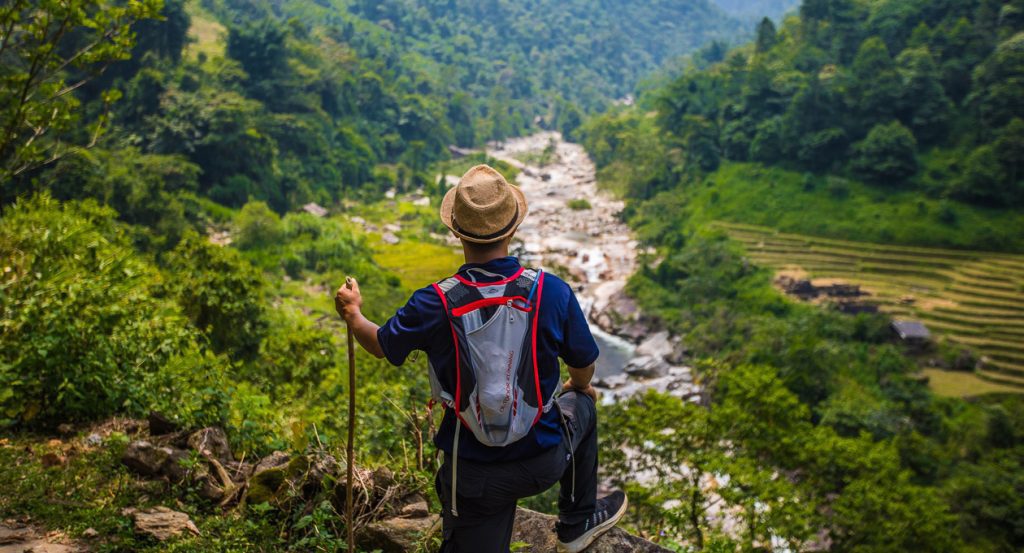
From the bustling streets of Hanoi’s Old Quarter to the serene rice terraces of Sapa, from the culinary treasures of Hoi An to the untouched beaches of Phu Quoc, Vietnam offers experiences that feel discovered rather than packaged.
Exceptional Value Proposition
Vietnam’s currency depreciation has created exceptional value for international travelers. Tourists report spending approximately $1,200 per trip on average, with Vietnam consistently ranking as one of Southeast Asia’s most affordable destinations without compromising on quality.
For travel agents working with budget-conscious clients or those seeking luxury experiences at mid-range prices, Vietnam presents an unbeatable value proposition. The same budget that delivers a good experience in Thailand can create an exceptional experience in Vietnam.
Rich Cultural Heritage
Vietnam boasts 32 UNESCO-honored world heritage sites, including eight cultural heritage sites and 24 intangible cultural and documentary heritage designations. Beyond these formal recognitions, the country preserves over 40,000 relic sites.
Cultural tourism is surging, with famous Vietnamese dishes like pho, banh mi, and bun cha serving as “culinary ambassadors” recognized by prestigious international media. Festival tourism, featuring events like the Hue Festival and Da Lat Flower Festival, provides cultural depth that resonates with modern travelers.
Where Thailand Still Holds Advantages
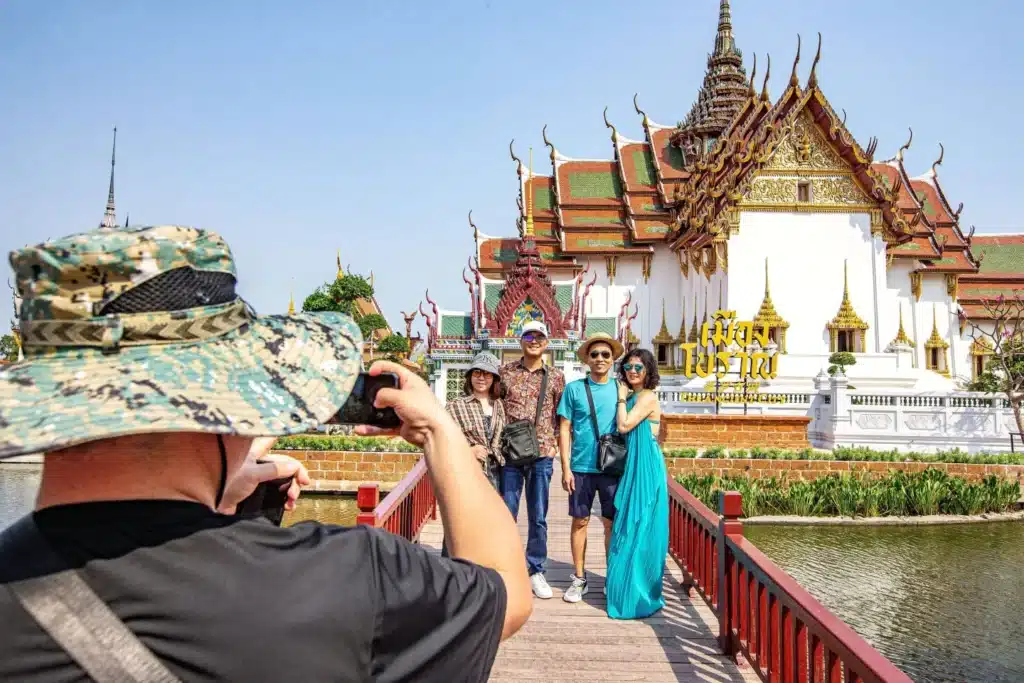
To provide balanced advice to clients, agents should recognize Thailand’s continued strengths. The country offers world-class resort hospitality, particularly in established beach destinations like Phuket and Koh Samui. Thailand’s tourism infrastructure remains more developed, with better connectivity between regions and more international brand hotels.
Bangkok continues to rank as Asia’s top revisit destination on platforms like Agoda, demonstrating Thailand’s enduring appeal for repeat visitors. The country also maintains strong appeal for specific markets, particularly from the Middle East, where Saudi tourists spend an average of 110,000 baht per person during two-week visits.
The India Factor: A Game-Changer for Both Destinations
India is emerging as Southeast Asia’s single-largest source market, with outbound flight capacity already at 110% of 2019 levels. Vietnam has capitalized on this trend dramatically, seeing a 363% increase in Indian arrivals from 2019 levels following the introduction of new nonstop routes.
Thailand, which introduced visa-free entry for Indian visitors, has also benefited with a 7% increase, though Vietnam’s growth rate far exceeds its regional competitor. For travel agents targeting the rapidly growing Indian market, Vietnam presents extraordinary opportunities.

Matching Clients to the Right Destination
The key for travel agents isn’t to abandon Thailand entirely but to understand which destination better serves each client’s needs:
Recommend Vietnam for clients seeking:
- Authentic cultural experiences and local immersion
- Value without sacrificing quality
- Less crowded destinations
- Culinary adventures and food tourism
- Adventure and ecotourism experiences
- Fresh, undiscovered destinations
- UNESCO heritage site exploration
Recommend Thailand for clients preferring:
- World-class beach resorts and spa experiences
- Well-established luxury hotel brands
- Vibrant nightlife and entertainment
- Medical tourism and wellness retreats
- Highly developed tourism infrastructure
- English-speaking services widely available
- Island-hopping itineraries
Practical Considerations for Agents
Working with Vietnamese DMCs
The key to successful Vietnam programs lies in partnering with experienced destination management companies. Look for DMCs with deep local expertise, multilingual capabilities, and proven track records. VietOne Travel, for example, brings 33 years of Vietnamese market knowledge combined with German precision and local passion—the kind of partnership that transforms a good itinerary into an unforgettable experience.
Timing and Seasonality
Vietnam’s climate varies significantly by region, creating year-round opportunities. Northern Vietnam experiences distinct seasons with cooler weather from November to February, while Southern Vietnam enjoys tropical consistency. This regional diversity allows agents to book clients throughout the year by matching destinations to seasons.
Thailand’s tourism patterns are more established, with November to February representing peak season across most of the country. Vietnam’s less predictable tourism patterns can offer better value and availability during what would be high season elsewhere.
Managing Client Expectations
Vietnam is experiencing rapid development, but infrastructure in some areas still lags behind Thailand’s established tourism corridors. Set proper expectations regarding travel times between destinations, accommodation standards outside major cities, and the adventurous spirit required for off-the-beaten-path experiences.

The 2026 Outlook: Positioning for Growth
Industry experts predict Vietnam will continue its upward trajectory into 2026 and beyond. The country is actively pursuing policies to increase tourist spending from $1,200 to $1,500-$1,600 per trip while maintaining its value proposition. Major infrastructure investments, expanded air connectivity, and continued visa liberalization will further enhance Vietnam’s competitiveness.
Thailand, meanwhile, is implementing recovery measures including tactical marketing campaigns, promotional schemes, and efforts to attract high-spending markets from the Middle East and Europe. The competition between these two destinations will ultimately benefit travel agents and their clients by driving innovation and value across Southeast Asia.

Building Your Vietnam Expertise
For travel agents looking to capitalize on Vietnam’s growth, now is the time to invest in destination knowledge. Familiarization trips, partnerships with reliable DMCs, and staying current on visa policies and new attractions will position you as the go-to expert when clients express interest in Southeast Asia.
Consider developing specialized Vietnam itineraries that highlight the country’s unique strengths: multi-generational family tours that combine culture and adventure, culinary journeys through regional cuisines, photography expeditions to the northern highlands, or luxury wellness retreats that cost a fraction of comparable Thai experiences.
Vietnam isn’t replacing Thailand in the Southeast Asian tourism hierarchy—it’s creating its own category. While Thailand remains the established choice for resort vacations and well-trodden tourist experiences, Vietnam appeals to the growing segment of travelers seeking authenticity, value, and discovery.
For travel agents, the question isn’t “Vietnam or Thailand?” but rather “Which destination better serves this particular client?” By understanding the unique strengths of each destination and staying informed about evolving tourism trends, you can confidently guide clients to the experiences they’ll treasure while building a reputation as a Southeast Asia specialist.
The agents who recognize Vietnam’s momentum and develop expertise in this dynamic market will be best positioned to serve the modern traveler’s desire for meaningful, authentic, and value-rich experiences. With over 22 million visitors expected in 2025 and continued growth projected, Vietnam represents one of the most exciting opportunities in international tourism today.
Ready to start offering Vietnam to your clients? Partner with experienced destination management companies who know the country inside and out. With the right local expertise, you can create transformative Vietnam experiences that will have your clients singing your praises—and booking their return trip before they even leave.