Last checked: 9 November 2026
Hoi An in December is a good idea if you want old streets, food and time to look around. It is a less reliable choice if your holiday depends on sunshine by the sea. Central Vietnam does not share the south’s winter weather: rain can still shape the day, and a beach photograph tells you little about swimming conditions.
The answer is not to leave Hoi An out. It is to plan a visit that works with the season. Keep outdoor activities flexible, leave room for a sheltered lunch or craft workshop, and treat an evening by the river as something to enjoy when conditions allow. January can offer a different balance, but it is not a guarantee of blue skies either.
December versus January: what to expect
The UK Foreign Office describes central Vietnam’s rainy season as October to December, with seasonal flooding particularly in October and November. The German Foreign Office also includes December in central Vietnam’s monsoon period. Vietnam’s tourism authority describes the nearby Da Nang coast as having long showers during its winter rainy season.
For travel planning, think of December as a month when rain remains a real possibility, not as the automatic start of a dry season. January is a transition towards the drier part of the year, but showers and grey days can continue. Evenings can feel cool after rain, especially when you are sitting outside.
For a useful regional benchmark, Japan’s Meteorological Agency lists monthly mean temperatures at nearby Da Nang of 22.4°C in December and 21.7°C in January. Its rainfall normals are 210.2 mm and 99.8 mm respectively. These are station averages, not a Hoi An forecast or daily highs, but they explain why January is usually less wet without being reliably dry.
Bring a light layer and rain jacket rather than only beachwear. Choose shoes with grip on wet paving, and keep your phone and documents protected. A forecast for your actual dates is more useful than a monthly average. If there is a flood warning, follow local instructions and stay away from flooded streets and riverside areas; do not turn the disruption into a sightseeing activity.
Lantern nights: the dates for your diary
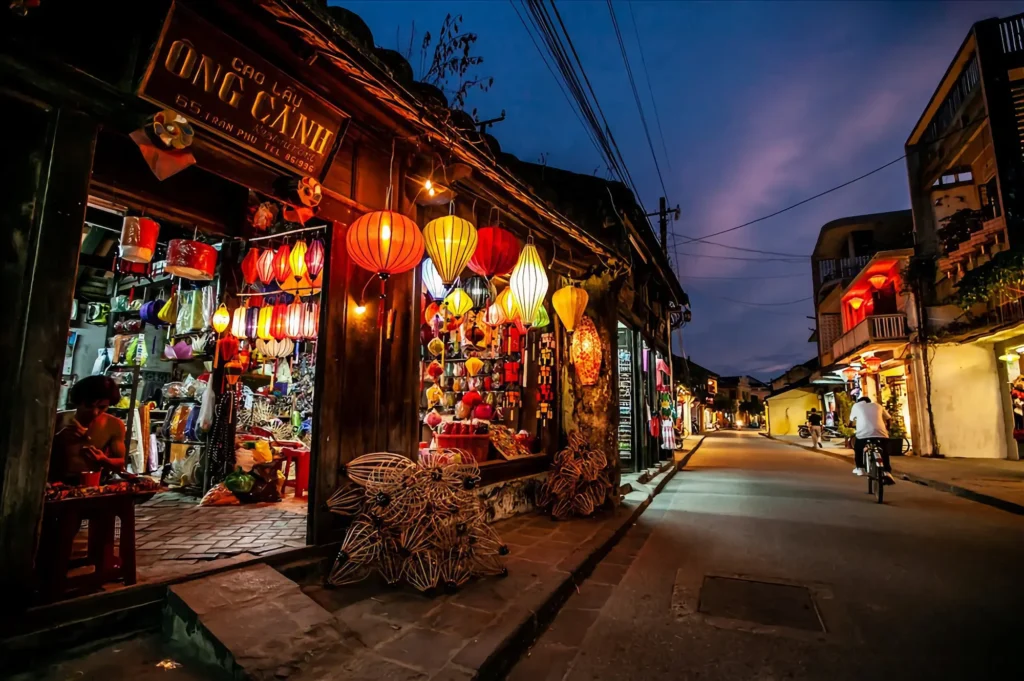
Hoi An’s monthly Legendary Night follows the 14th day of the Vietnamese lunar month. That matters: it is not simply whichever night a moon-phase app labels “full moon”. The town’s heritage authority confirms the lunar rule.
For this winter, the corresponding planning dates are:
- Tuesday, 22 December 2026: the 14th day of lunar month 11\.
- Thursday, 21 January 2027: the 14th day of lunar month 12\.
These dates have been checked against Vietnamese lunar-calendar conversions. They are the expected monthly nights, not a guarantee that every performance or river activity will operate. Confirm the local programme close to travel, particularly after heavy rain. The heritage website’s standing information gives evening hours, but a future dated notice should take precedence.
You do not need to hit the monthly event to enjoy the lantern-lit town. Shops and streets have lanterns on ordinary evenings too. The appeal of the monthly night is the particular cultural programme and atmosphere, not the only chance to see any lights.
A perfect day starts without a stopwatch
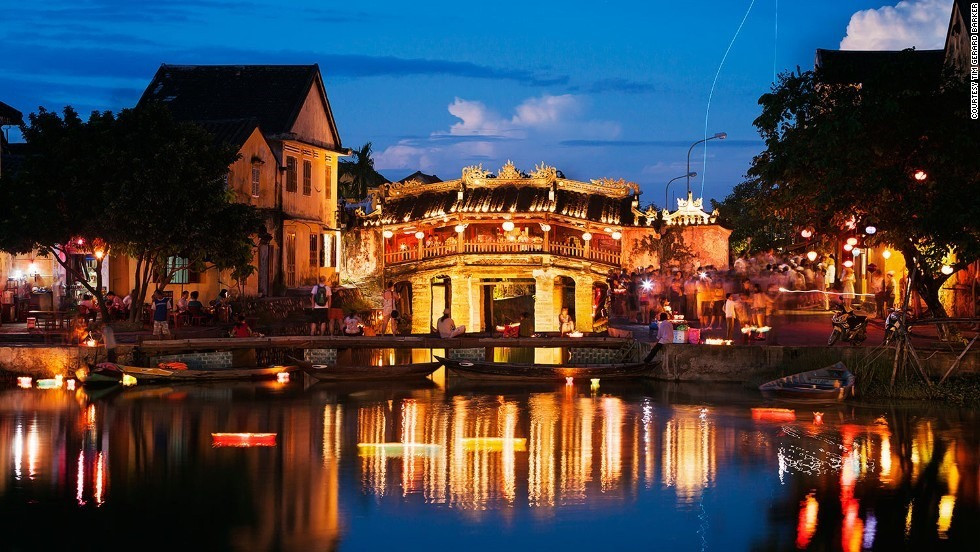
Begin with the Ancient Town while you still have energy for walking. Hoi An’s Japanese Covered Bridge, assembly halls and old houses make more sense when someone explains how the trading town worked. Pick a few interiors rather than rushing through every doorway. Check current visitor arrangements for the sites you want to enter; access rules can change.
Leave time to notice smaller details: wooden shopfronts, courtyards, rooflines and the way a side street opens towards the river. A guide can help you distinguish a lived-in place from a collection of photo backgrounds. Dress respectfully at religious sites and do not block entrances while taking pictures.
By late morning, adjust to the weather rather than following a rigid schedule. A sheltered café stop is a useful part of the day, not a failure to make the most of it. Keep some distance from the busiest riverfront if you want a quieter pause.
Lunch, gardens and an indoor alternative
Tra Que herb village is a natural partner to the town walk. VietOne’s Hoi An excursion includes time in the gardens and a cooking activity, with lunch. Seeing ingredients before eating them gives the countryside visit a purpose beyond another stop for photographs.
In suitable weather, Cam Thanh’s palm forest and a basket-boat experience can add a different landscape. This is the part of the day to keep conditional. Ask how water levels, wind and local restrictions affect the activity, and wear the available suitable life jacket. Never assume a booked boat ride must run regardless of conditions.
If rain makes outdoor time unappealing, a lantern-making workshop offers a practical alternative to more wet walking. It is also a souvenir with a story attached. Confirm what is included in your chosen programme and whether an adjustment is possible; a weather alternative should be discussed, not assumed.
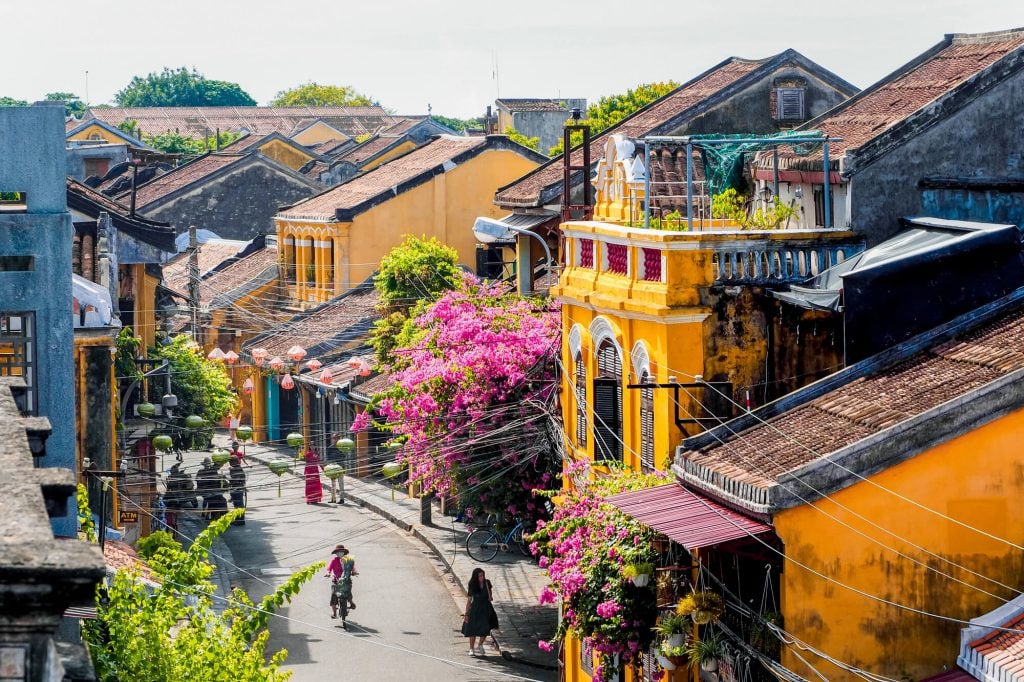
Dusk by the river, with sensible expectations
After the day visits, return to the Old Town if conditions are comfortable. Watch the lanterns come into their own as daylight fades, then choose dinner without trying to squeeze in another excursion. A short riverside walk may be enough.
If you want a boat trip, use a reputable operator, check the boat and wear a life jacket. Agree on the service before boarding. A calm-looking photograph cannot establish whether river conditions are safe that evening. You can enjoy the lanterns from land and leave the boat out entirely.
Our full-day package is listed as an eight-hour excursion. An evening extension, a festival visit or a later return to Da Nang is not automatically included. Discuss the finish time before booking so the nicest part of the evening does not become a rushed transfer.
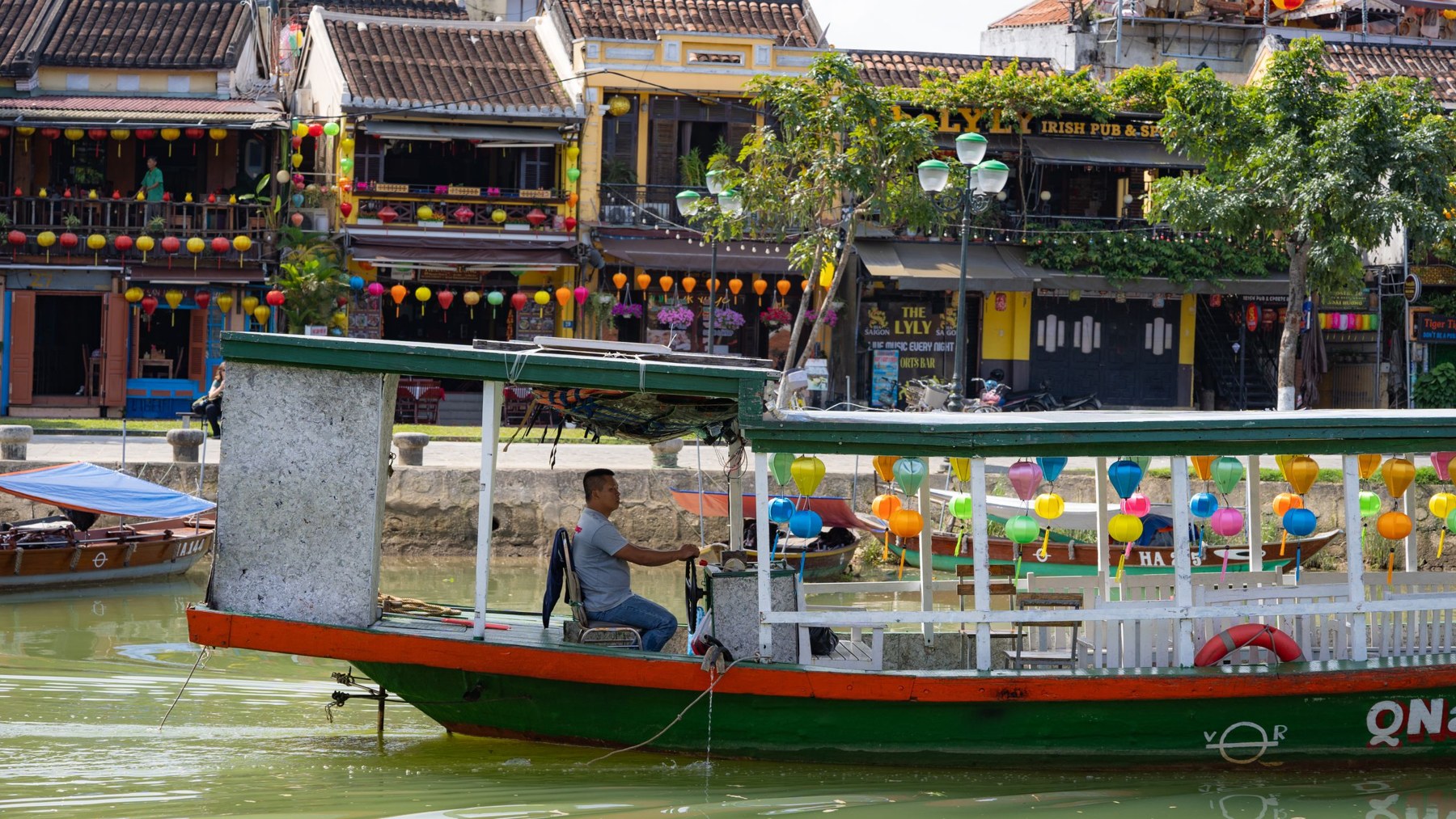
Beaches, My Son and the holiday calendar
Treat An Bang and the coast as optional additions in this season. A walk in suitable weather is different from a promise of safe swimming. Respect flags and lifeguard instructions, and do not enter rough water. If beach time is central to your holiday, compare regions using our Vietnam in December beach guide.
For a longer stay, the My Son sanctuary guide helps you plan a separate cultural outing. Do not add it to an already full Hoi An day unless you deliberately choose a different itinerary.
Christmas and 1 January are not Tet. Tet begins on 6 February 2027, so the monthly January lantern night comes before the Vietnamese New Year. If your journey continues into February, confirm transport, meals and opening arrangements separately: some businesses and services close for the holiday.
Choose a day that can bend with the weather
Hoi An works well in December and January when you come for the town rather than a weather promise. Comfortable shoes, a flexible afternoon and an unhurried dinner do more for the trip than squeezing in every advertised activity.
Explore VietOne’s Hoi An full-day excursion and request your dates. Ask about weather alternatives, guide language and the return time if you would like to stay for the lanterns. The package combines heritage, villages and hands-on activities; the final sequence should suit the day you actually have.
Featured photo: Quang Nguyen Vinh / Pexels License.