Last checked: 9 November 2026
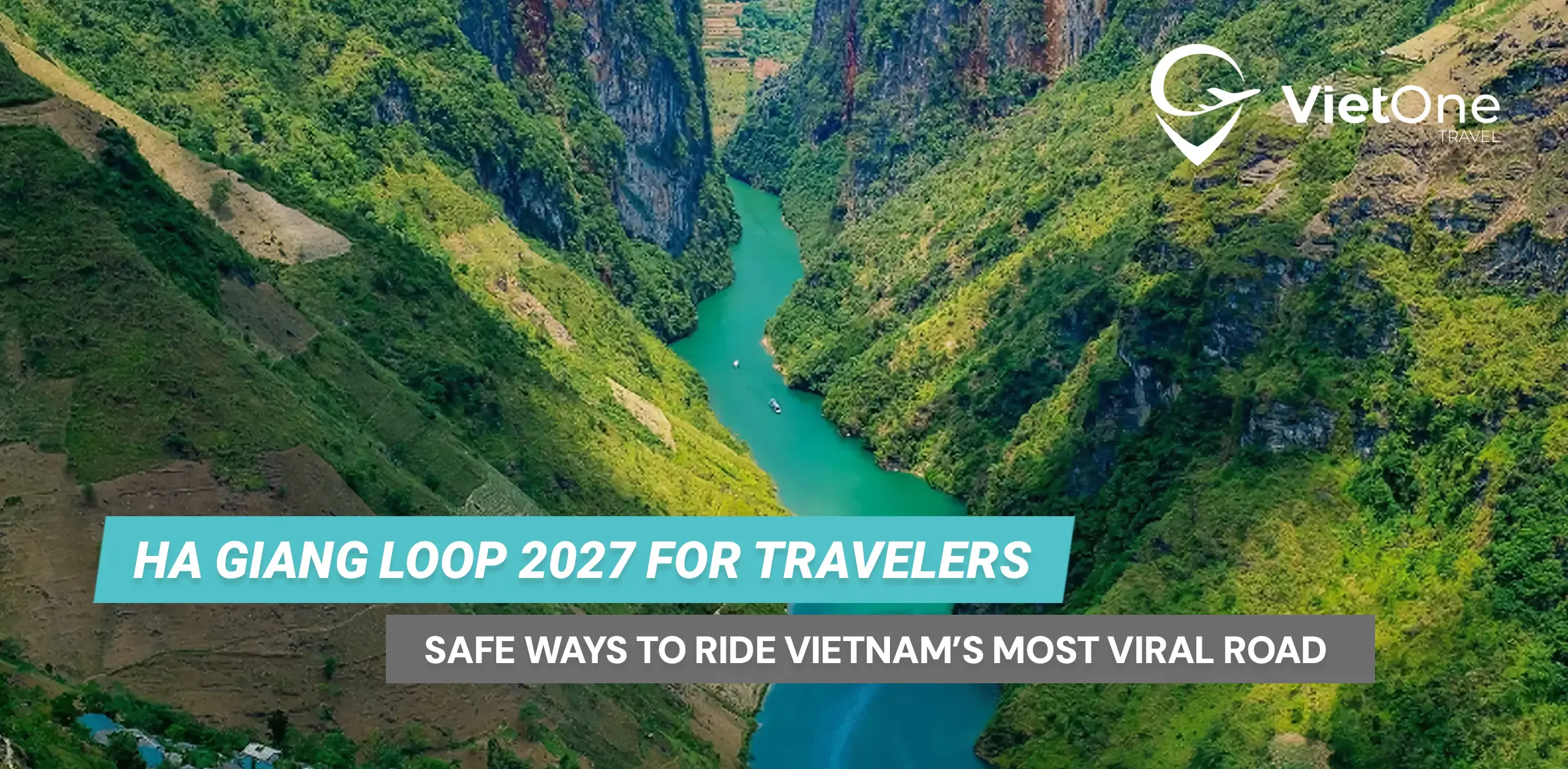
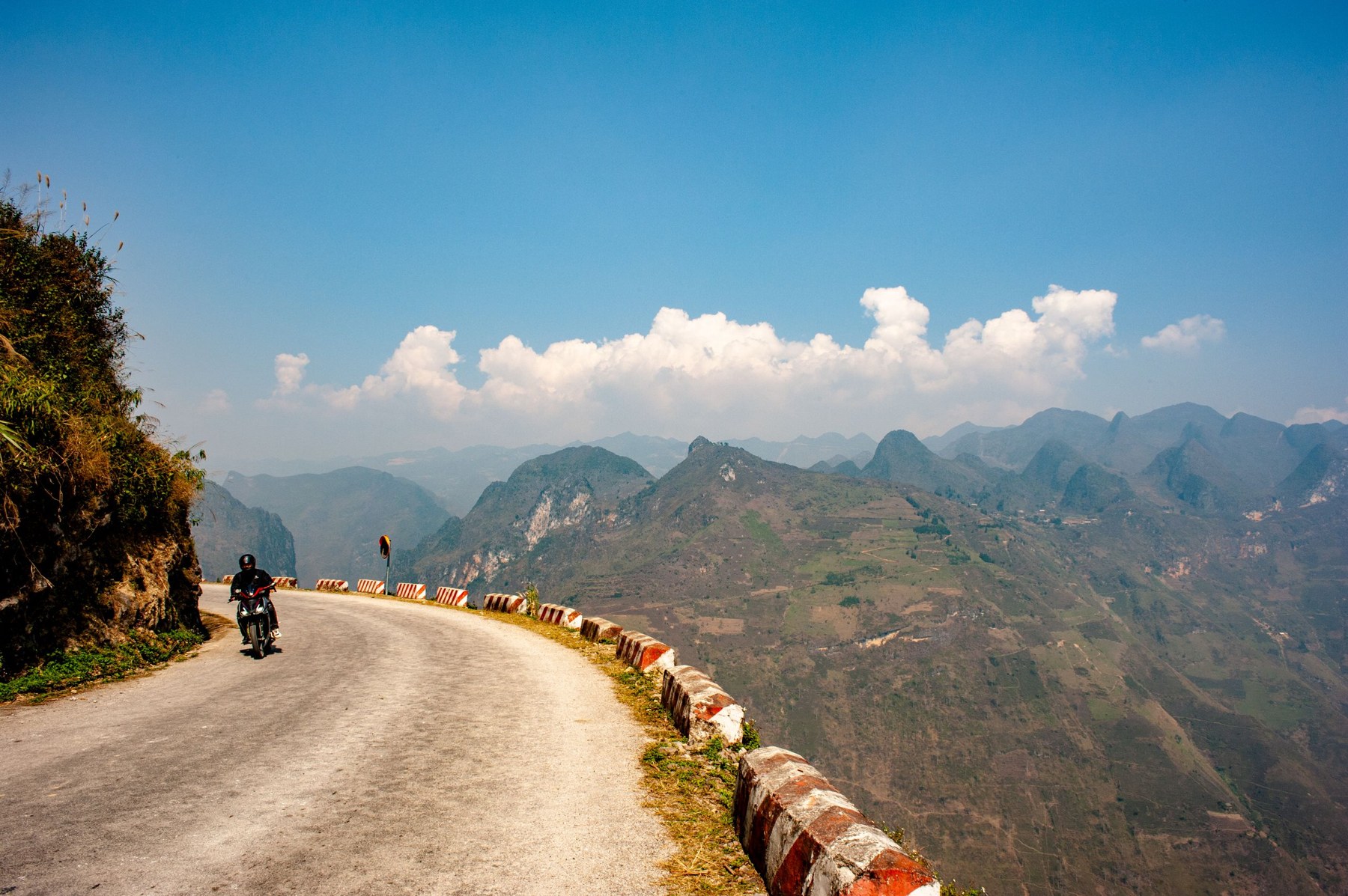
A clip of the Ma Pi Leng Pass lasts seconds. The decision about how to travel it deserves longer. The Ha Giang Loop crosses steep mountain country in northern Vietnam, with limestone ridges, villages and long drops towards the Nho Que River. It is a road journey, not a controlled adventure park.
If you are looking for a ha giang loop safe tour, start with the vehicle and the operator, not the photo stops. An experienced local rider can take you as a passenger; a car with a professional driver lets you see the landscape without getting on a motorbike. Neither removes every risk. Self-riding is only worth considering if you already ride confidently and hold documents valid in Vietnam.
What the loop is, and how much time to allow
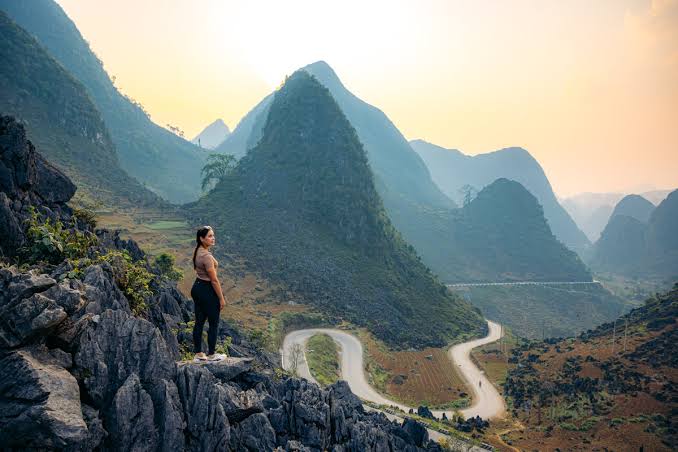
“Ha Giang” remains the familiar travel name for highlands now within Tuyen Quang province. Common circuits connect the Ha Giang starting point with Quan Ba, Yen Minh, Dong Van and Meo Vac, crossing Ma Pi Leng. Return routes vary, so two tours advertised as “the loop” may cover different roads.
For a first visit, ask for four days on the road, plus your transfers from Hanoi. This is a planning recommendation, not a legal minimum. More time gives you room to stop, shorten a difficult day or wait for visibility to improve. Vietnam’s national tourism board also describes a four-day circuit, but its route is not identical to every commercial itinerary.
Avoid stepping off an overnight bus and immediately beginning a demanding riding day. Spend a night near the starting point if you can. Equally, do not put a flight immediately after the planned finish: mountain travel needs some margin.
Easy-rider, private car or self-ride?
Easy-rider means sitting behind a local motorbike driver. You do not need a motorcycle driving licence simply to be a passenger. You do need to be comfortable spending hours on a pillion seat, and your insurer must cover that activity and the actual engine size. Ask who will drive, how their licence is checked and how breaks are organised. A good driver reduces the task you have to perform; they do not make an exposed road harmless.
Private car or SUV with driver is a sensible choice if you dislike heights on a bike, are travelling with family or want protection from cold and rain. Ask for working seat belts at every occupied seat. If “jeep” is offered, establish what that means: an open vehicle and an enclosed SUV are not the same experience. Vehicle condition, restraints and the driver matter more than a photogenic model name.
Self-ride puts road judgement, vehicle control and paperwork on you. This is not a suitable place for your first lesson on a geared motorbike. Being allowed to rent one is not evidence that you are legally entitled or equipped to ride it.
The licence documents to check before booking
Vietnam recognises the relevant 1968 Vienna Convention International Driving Permit, used with the valid national licence it accompanies and the appropriate vehicle entitlement. A permit is not a replacement for a motorcycle licence. A car-only category does not authorise the motorcycles normally used on these tours.
Check the engine size against your entitlement. Under Vietnam’s post-2025 licensing classes, A1 covers two-wheeled motorcycles up to 125 cc; larger motorcycles fall under A. Have the issuer and operator check your actual documents rather than assume that every licence called “A1” has identical restrictions internationally.
The UK Foreign Office explicitly requires British drivers to carry the 1968 IDP and their UK licence. Do not assume a 1949-model permit, a national car-licence extension or a document sold online as an “international licence” will do. If your issuing country cannot provide an accepted permit, ask the Vietnamese authorities about lawful alternatives or travel as a passenger. Carry the originals required for driving; do not leave your passport as a rental deposit.
What to ask a tour operator
Before paying, request clear written answers to these questions:
- Who is the licensed business responsible for the tour, and who is the local supplier?
- Who drives, which vehicle is allocated, and how are maintenance and licence checks recorded?
- Is a properly fitting, good-quality helmet provided? Ask for a full-face option and protective clothing, not just a thin plastic shell.
- What is the daylight itinerary, and can anyone decline a section without pressure?
- Who checks current border-area access requirements and arranges any necessary permits?
- What happens after a crash, a road closure or worsening weather, and who can you call?
Border access is separate from driving entitlement. Authorities may require permission for places near the frontier; do not assume one permit covers every detour. Ask for confirmation for your precise route.
Weather can change the right answer
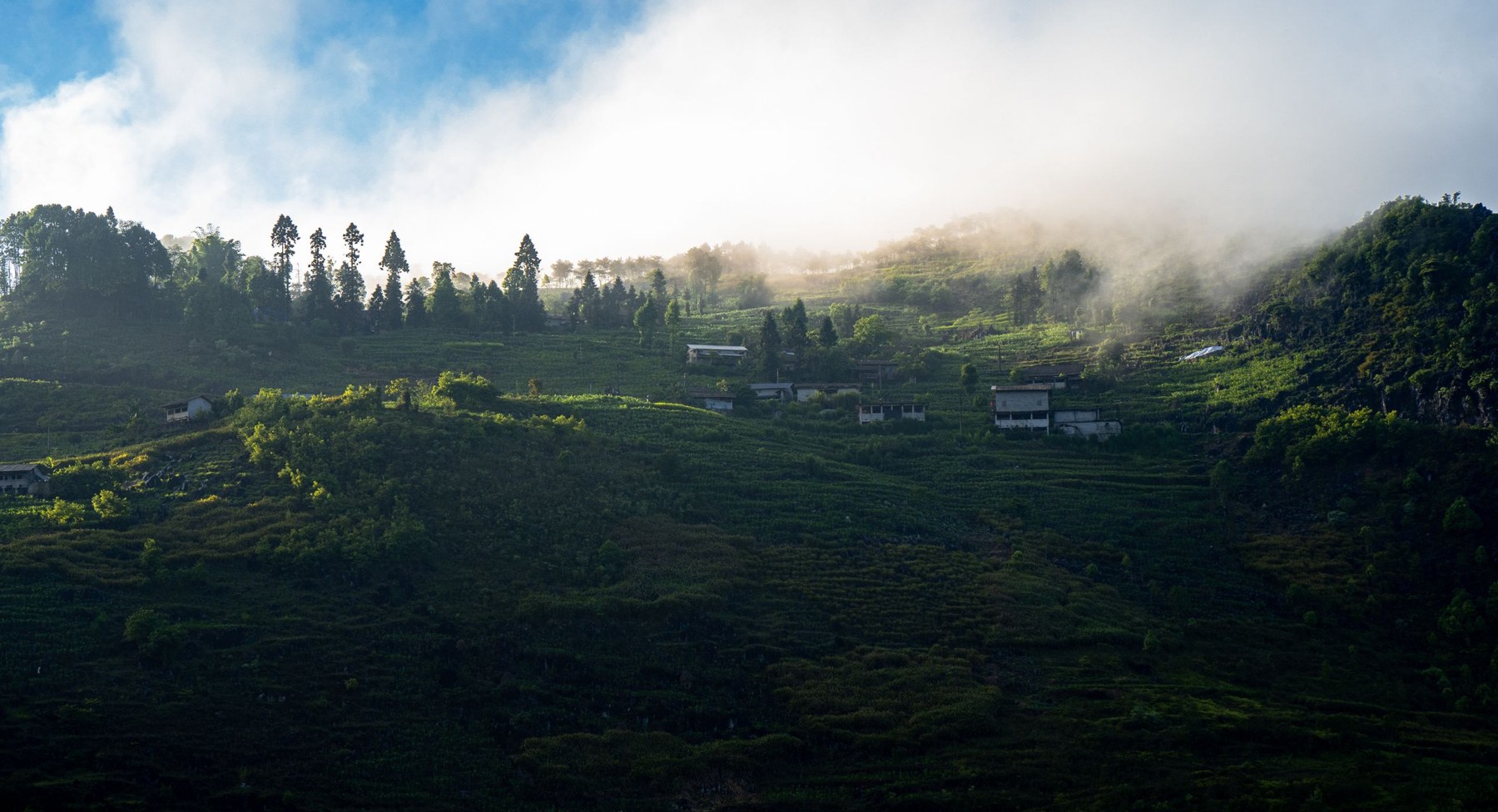
The national tourism board highlights September to November for the region, describes cold winters and warns of wet, slippery roads from May to August. Those are broad seasonal patterns, not a promise about your travel week.
In December and January, cold air and fog can make a long motorbike day uncomfortable and visibility poor. An enclosed vehicle is worth considering. During heavy rain or an active landslide warning, changing the route or postponing may be the right decision even in a car. Nobody should promise that a jeep can bypass every closure.
Wear layers, take waterproofs and keep essential documents dry. Stop riding after dark. Vietnam’s tourism board advises daylight driving, and the UK Foreign Office warns against hiring a motorbike without experience. Alcohol and riding do not mix; Vietnam applies a zero-alcohol rule for drivers.
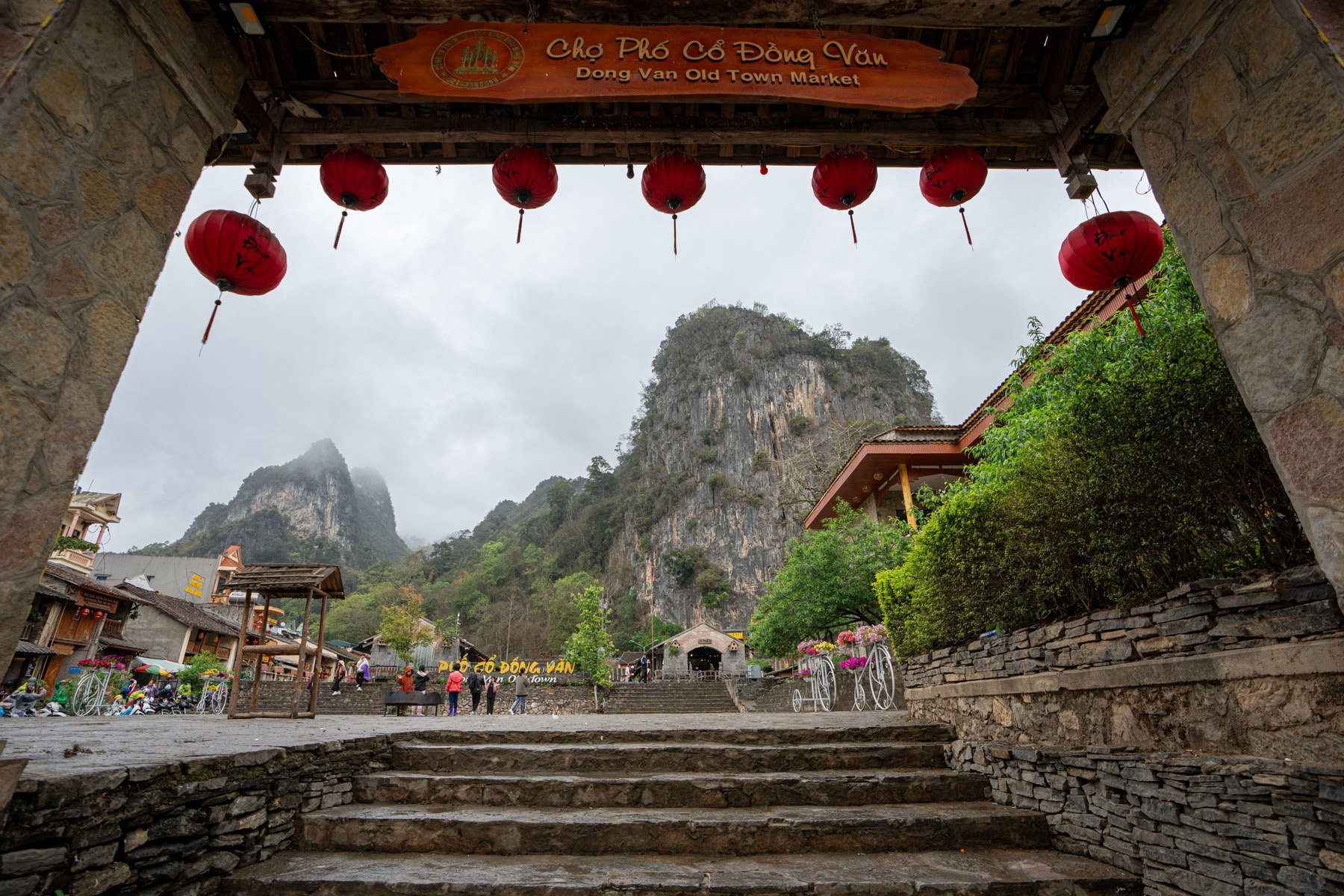
Make the stops count
Leave space for a walk through Dong Van, a meal and a conversation rather than treating the trip as a sequence of viewpoints. Ask permission before photographing people. Keep off working fields and do not block the road while taking pictures. A guide should help you understand where you are welcome, not manufacture encounters.
If you are still choosing between northern landscapes, our Sapa winter guide explains a different mountain experience. Sapa is not a substitute stop on the same short loop; plan the transfer separately.
Plan a journey that suits you
Check travel insurance in writing for self-riding or pillion travel, medical treatment and evacuation. The vehicle’s compulsory cover is not a replacement for your own policy. Remote terrain can delay help, so save your operator’s and insurer’s emergency contacts offline.
Contact VietOne Travel about a tailor-made northern Vietnam journey. Tell us your dates, riding experience, preferred vehicle and comfort requirements. Ask us to confirm the available arrangements and current access rules before you commit. There is no dedicated Ha Giang package page to book blindly: the useful starting point is a conversation about what fits you.
Featured photo: Q. Hưng Phạm / Pexels License.