Last checked: 25 October 2026 · Next review: March 2027 (ticket price, show times, transport)
QUICK ANSWER: My Son Sanctuary is a UNESCO-listed valley of Cham brick temples about 45 km from Hoi An. The gates open at 6:00, so the “sunrise visit” really means being first through the gate: from December to February the sun rises just after six, and the rest of the year you arrive to soft light and few people. The foreign visitor ticket is VND 150,000 and includes the museum, the electric shuttle and the Cham dance shows. Allow two to three hours on site, bring closed shoes and cover your shoulders and knees.
Most people see My Son Sanctuary the same way: a late-morning bus from Hoi An, an hour in the heat, then back for lunch. It works, but it misses what makes the place special.
My Son sits in a closed basin ringed by hills, the source of the Thu Bon river that flows past Hoi An to the sea. Early in the day the valley holds mist, the brick glows orange and you can hear the forest. By ten it is a different site. This guide explains when to go, what you are actually looking at, and how to plan the half day so it adds something to your Hoi An stay.
| 45 km | 1999 | VND 150,000 | 6:00 |
|---|---|---|---|
| From Hoi An | UNESCO World Heritage listing | Foreign visitor ticket | Gates open |
What My Son Sanctuary is, and why it matters
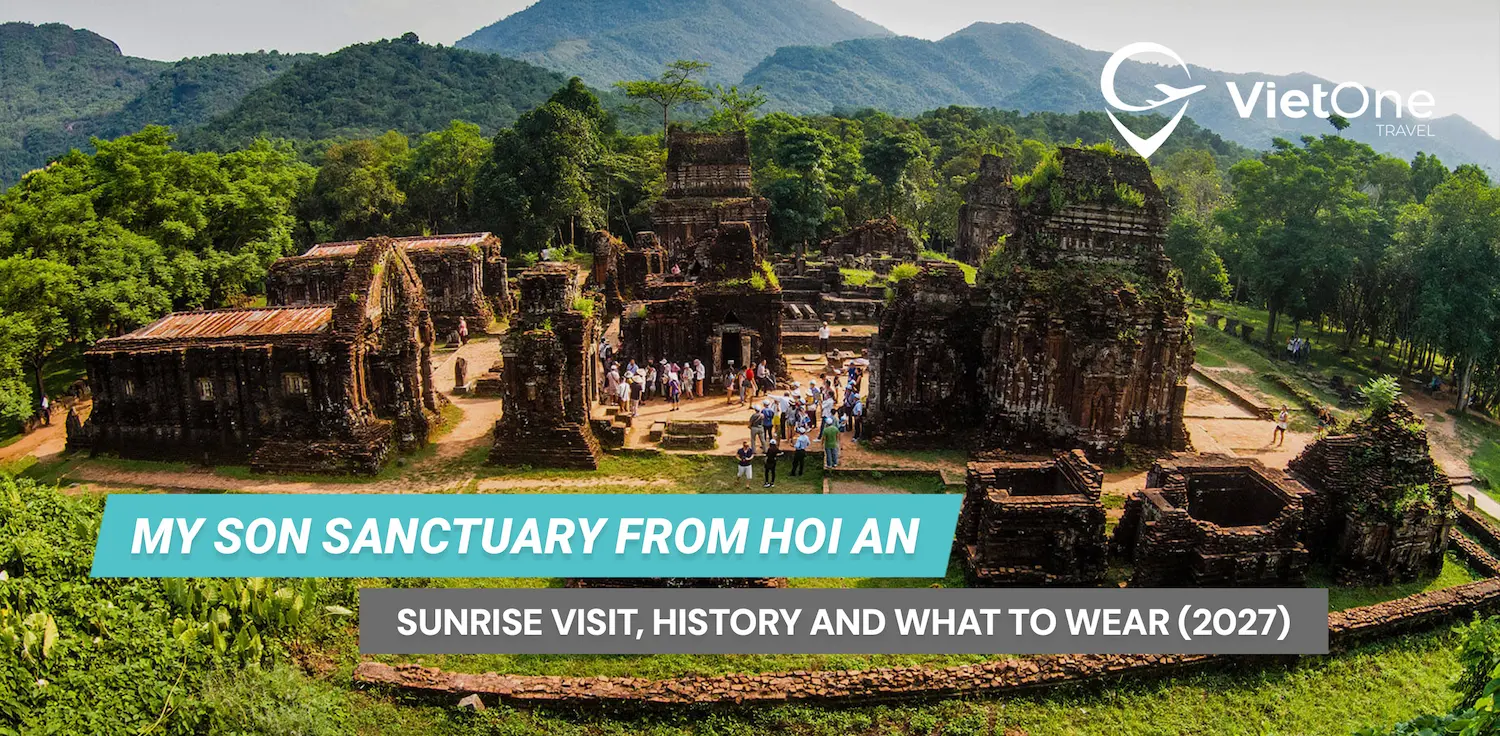
From the 4th to the 13th century, My Son Sanctuary was the religious and political heart of the Champa kingdom, a Hindu culture that ruled the central coast. Kings built tower temples here mostly to Shiva, using fired brick and carved sandstone. UNESCO listed the site in 1999 as an exceptional example of a local society adapting Indian Hindu architecture.
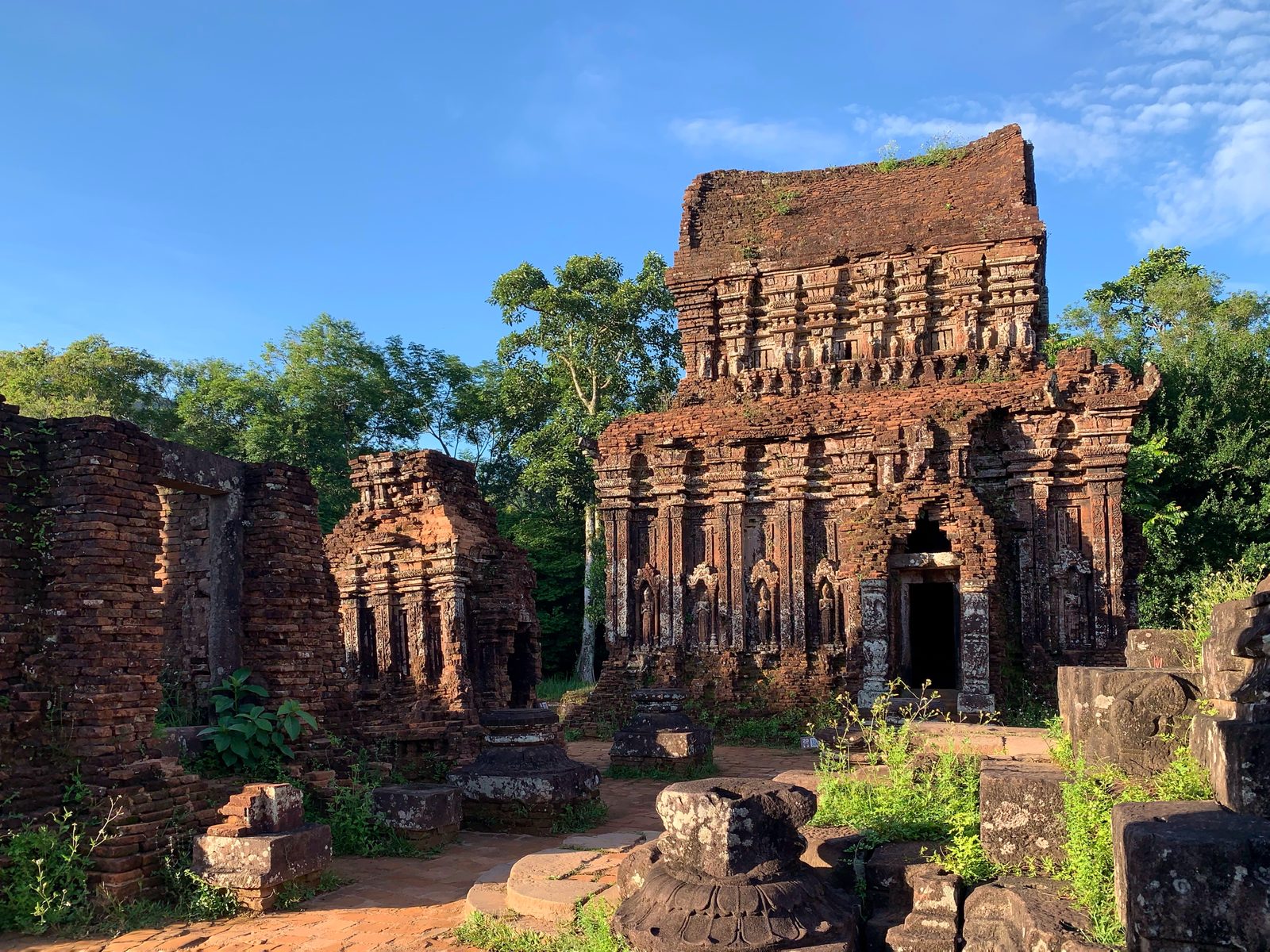
UNESCO counts eight groups and 71 standing monuments, plus a great deal of buried archaeology. The groups have letters (A to H, K and others) given by French scholars. Henri Parmentier’s survey in the early 1900s is still the main record of what the towers looked like before the wars.
A short history in five dates
1885. French soldiers come across the overgrown ruins of My Son Sanctuary. Around 1897 to 1898 Camille Paris clears the site and the first studies of the Sanskrit and Cham inscriptions begin.
1937 to 1942. French conservators reinforce groups B and D and restore tower A1, then the finest temple in Champa.
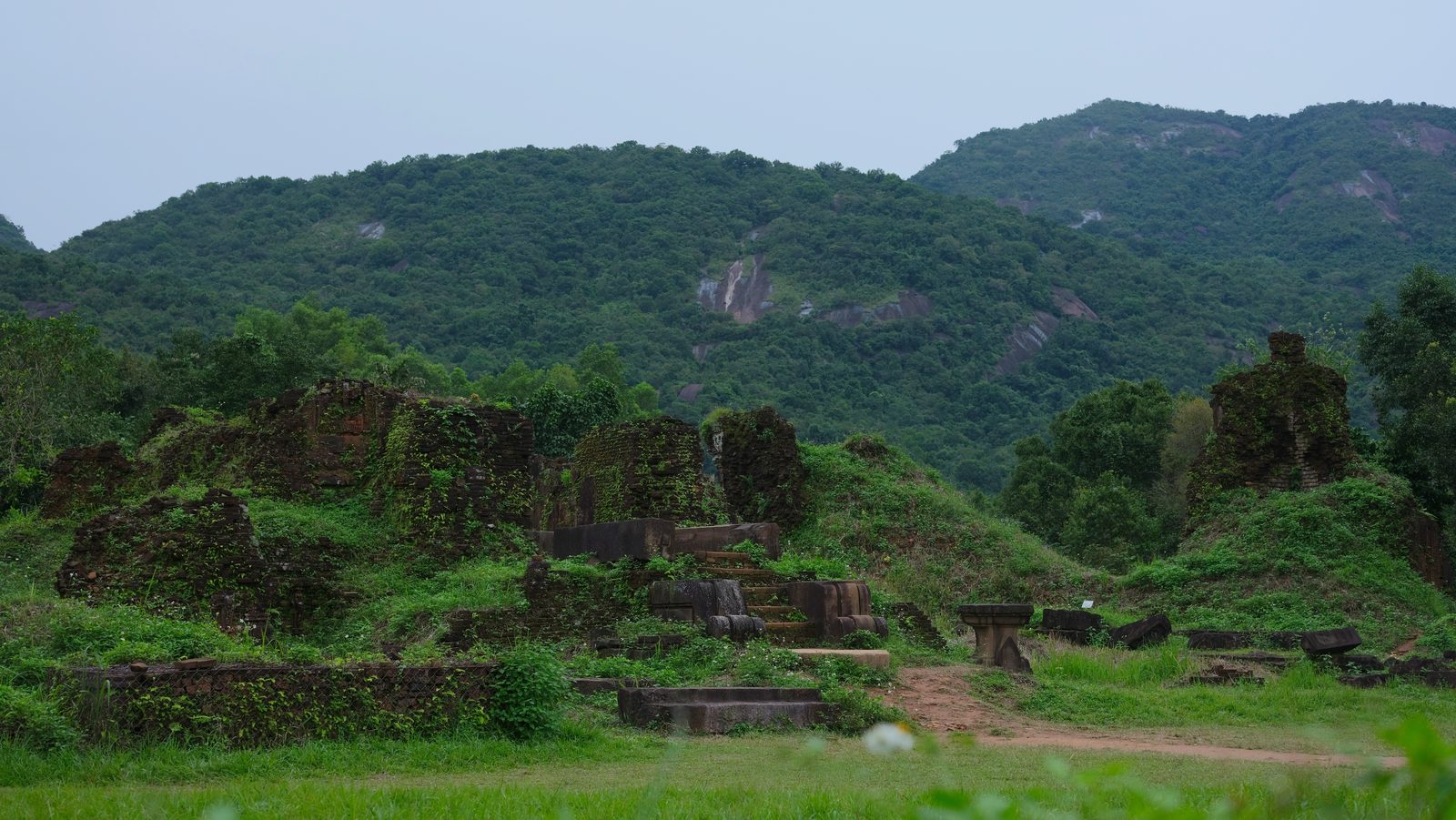
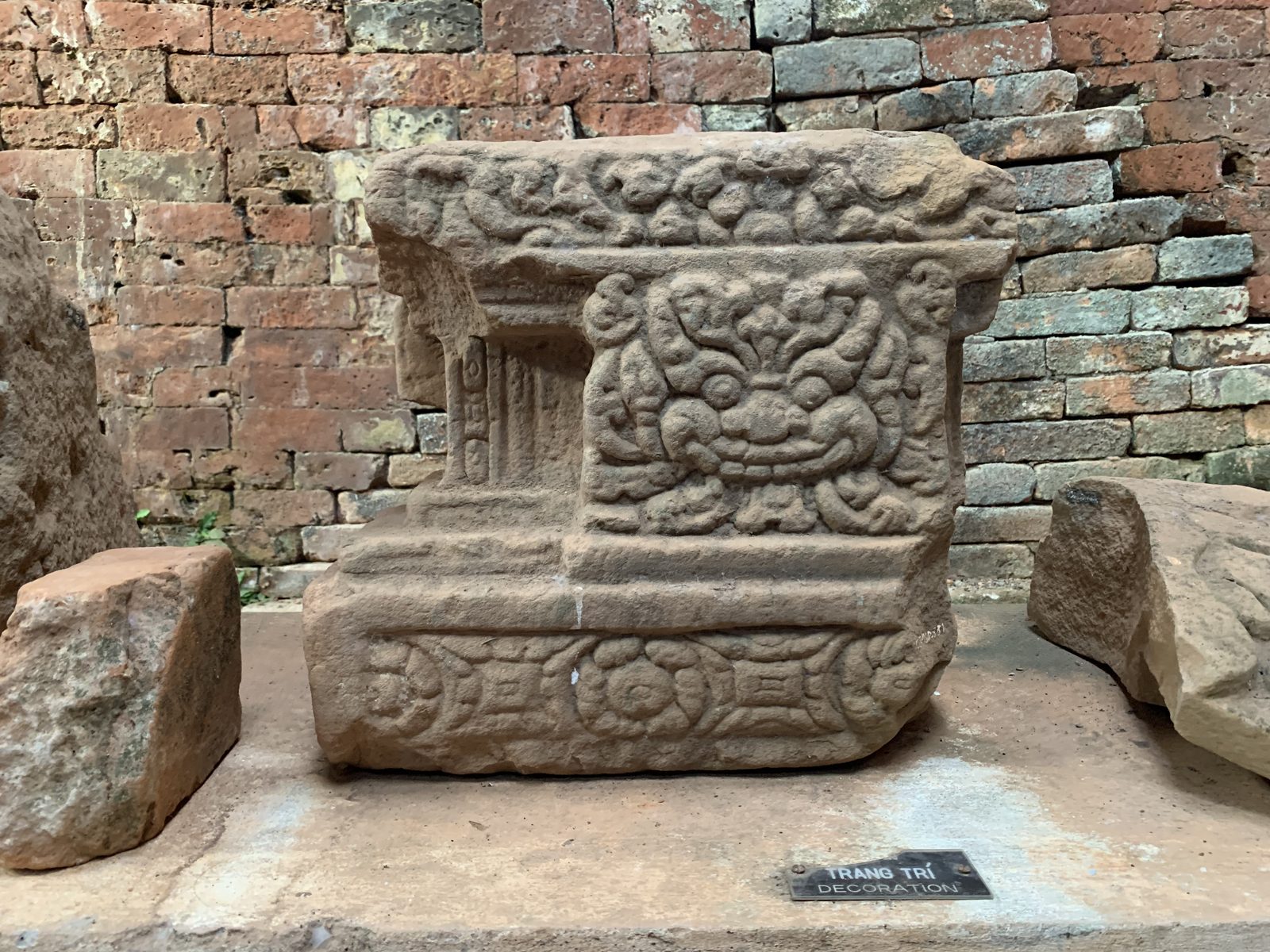
1969. US bombing destroys group A. A1, about 24 metres tall, is reduced to rubble. What you see in group A today is mostly foundations and fallen carved blocks.
1999. UNESCO inscription. Since 1975 demining has cleared the main monuments, but UNESCO notes that unexploded ordnance may remain in the buffer zone. Stay on marked paths.
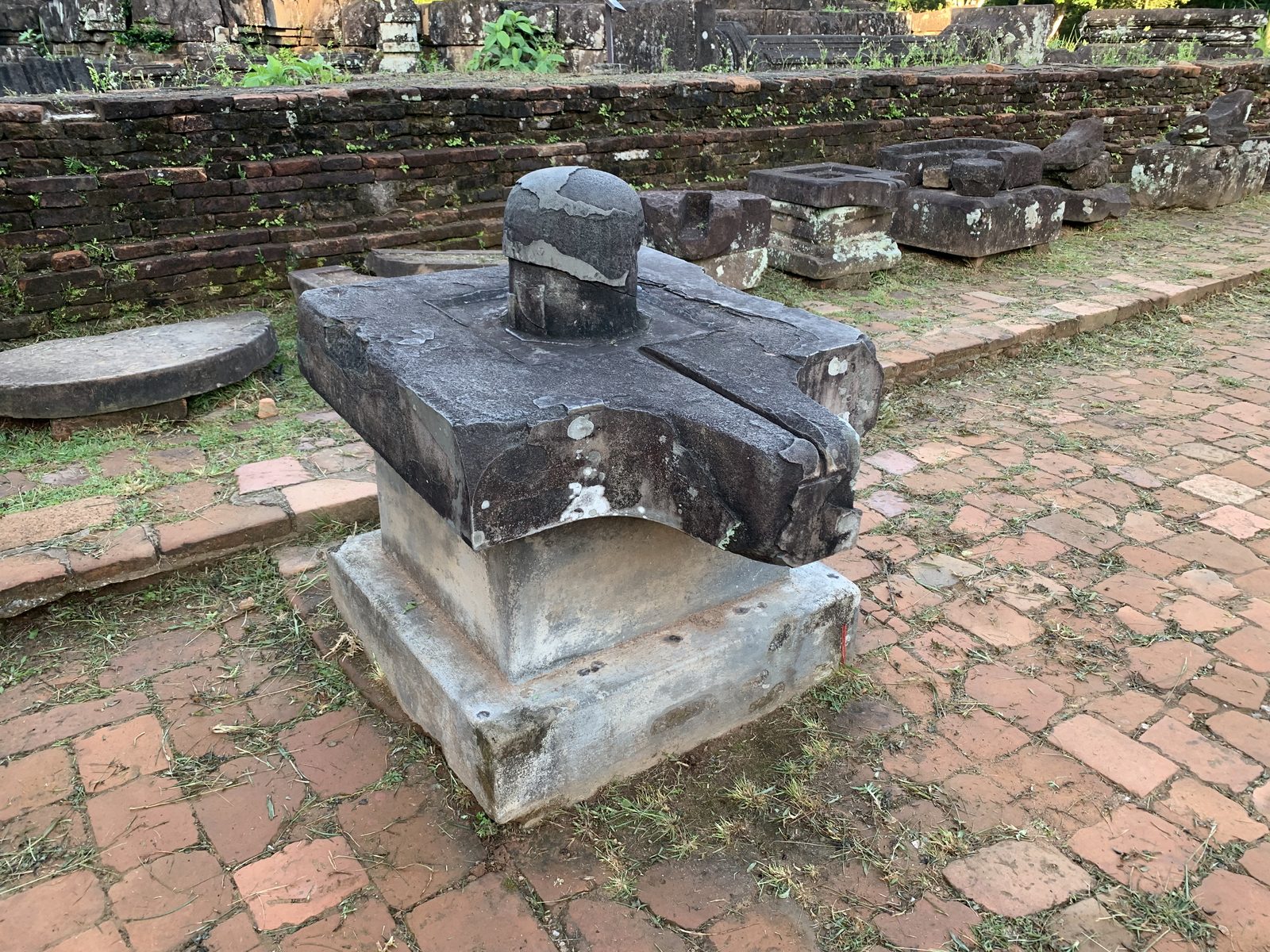
2017 to 2022. The Archaeological Survey of India restores groups K, H and A. During the work, a Shiva linga is found inside A10, and a monolithic linga-yoni altar from the restored area, the largest in Vietnam, is later recognised as a national treasure. Groups K and H, near the entrance, are now far easier to read than a decade ago.
The sunrise question: is it worth getting up early?
My Son Sanctuary opens for visits at 6:00 and closes at 18:00. Ticket sales run from 6:00 until 17:00. So you cannot watch the sun come up over the towers in summer: in June it rises around 5:15. From December to January it rises at about 6:05 to 6:20, which puts you inside the valley as the light arrives.
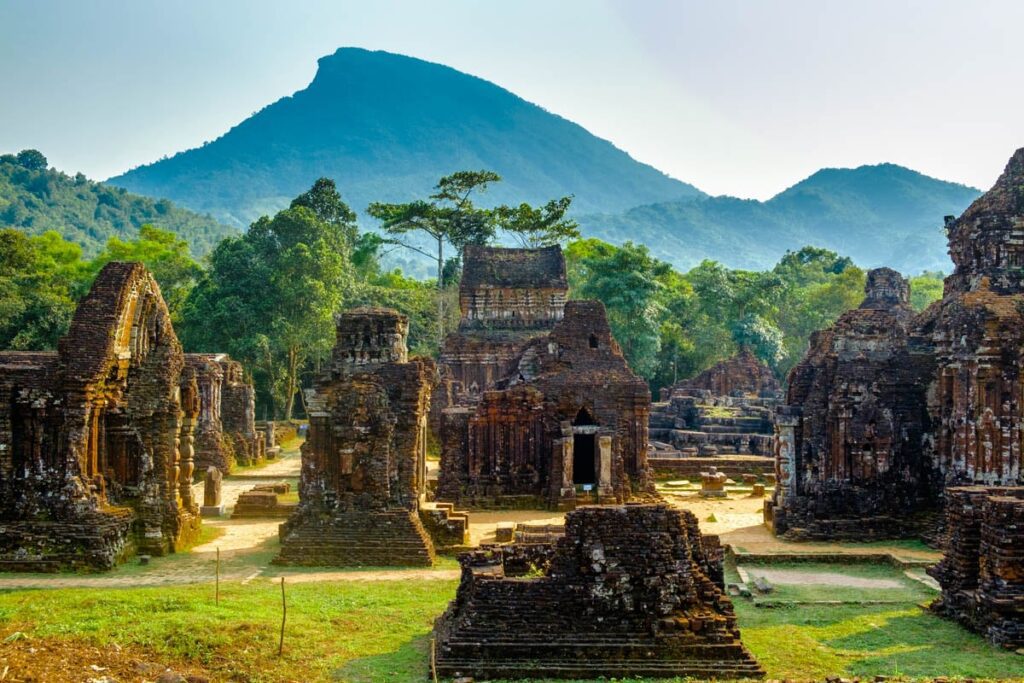
Even outside those months, the first hour at My Son Sanctuary is the best one. You get cooler air, often mist in the basin in the cooler months, and space at group B–C–D before the tour buses come in. The drive from Hoi An takes about an hour, so plan to leave at 5:00.
If you would rather sleep in, the late afternoon is the second-best window. The light is warm again after 15:30 and most groups have left. Note the last ticket is sold at 17:00.
Getting there from Hoi An or Da Nang
My Son Sanctuary is about 45 km from Hoi An and 68 km from Da Nang, according to the site’s management board. Since July 2025 it belongs to Da Nang city (it used to be in Quang Nam province), so new maps show it in Thu Bon commune.
The easiest way to reach My Son Sanctuary is a private car with driver. You set the departure time, which matters for an early visit. Our Central Vietnam travel guide covers the wider region. Motorbike rental is possible for confident riders. Public transport is not practical for an early start.
From the ticket gate, an electric shuttle (included in the ticket) takes you about 2 km to the monuments. The site museum is next to the gate. It is worth 15 minutes before you go in, because the models show what the ruins looked like before 1969.
Tickets, shows and guides
The official ticket website lists VND 150,000 for foreign visitors, VND 100,000 for Vietnamese visitors and VND 30,000 for children aged 5 to 15. The My Son Sanctuary ticket covers the museum, the shuttle and the Cham folk shows. The management board announced in January 2026 that it plans a single price of VND 250,000 for all visitors. At the time of writing that change had not taken effect, so check before you go.
Cham dance shows run at the performance house at 9:45, 10:30, 11:15, 14:00 and 16:00, and at the foot of group G at 9:00 and 14:45 (weather permitting).
An on-site guide costs VND 100,000 per ticket. One ticket covers one to five people, and groups are capped at 30 since February 2026.
What to wear and bring
My Son Sanctuary is a sacred Hindu site, so dress as you would for a temple. Cover your shoulders and knees, and do not climb on the towers or touch the carvings.
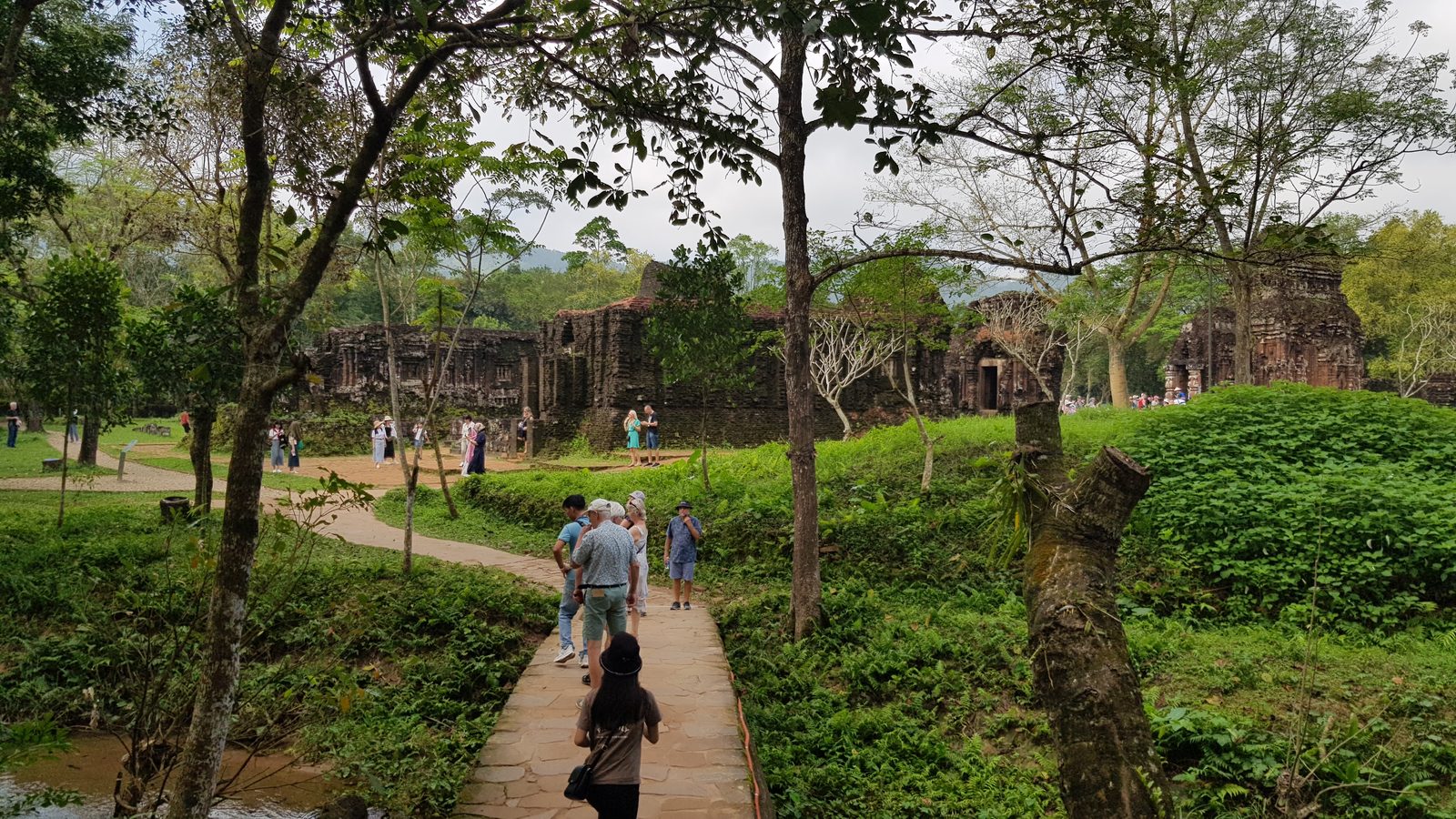
Practical clothing matters just as much. The paths of My Son Sanctuary are dirt and gravel and can be muddy after rain, so wear closed shoes with grip. Bring a hat, water, sunscreen and insect repellent. A light rain jacket is useful from September to December, when central Vietnam has its rainy season and occasional floods. Our guide to the best time to visit Vietnam has the month-by-month picture.
A realistic route around My Son Sanctuary
Start at groups K and H, near the shuttle stop, both restored by the Indian team. Walk on to B, C and D, the most complete cluster, where the long D halls display carved sandstone pieces. Then cross to the ruined group A to understand the scale of what was lost. Finish at G, set on a small hill, where the morning dance show takes place. A relaxed loop of My Son Sanctuary takes about two hours.
My Son Sanctuary FAQ
How long do you need at My Son?
Two to three hours inside My Son Sanctuary, plus about two hours of driving. Half a day is enough.
Is My Son worth it if I have seen Angkor?
My Son Sanctuary is much smaller, but older in parts and set in a quieter jungle valley. Treat it as a different chapter of the same Hindu story, not a smaller Angkor.
Can I combine My Son with Hoi An in one day?
Yes. Go to My Son Sanctuary early and spend the afternoon and evening in Hoi An, ideally on a full-moon night (see our Hoi An lantern festival guide). Our Hoi An history guide explains the old town, and our piece on ancient temples in Vietnam puts My Son in context.
Is it very hot?
From May to August it often is. That is the strongest reason to go at 6:00.
PLAN YOUR VISIT WITH VIETONE: VietOne Travel is a Vietnam-based DMC led by a founder with 33 years of local expertise. Our My Son and Hoi An full-day excursion includes a private car from Da Nang, an English-speaking guide, My Son admission and a Hoi An walking tour. Want the early start at My Son Sanctuary described above, or a pickup in Hoi An? Contact our team and we will set the times for you.