Last checked: 2 November 2026 · Next review: September 2027 (winter conditions, package details)
QUICK ANSWER: Sapa (about 1,500 m) is cool and mostly dry from December to February: roughly 10-15°C by day, single digits at night, with frost on cold mornings. Snow is rare and usually limited to the Fansipan summit. The terraces are bare in winter, not green, but clear mornings bring a sea of clouds, quiet trails and, from late January, blossoms around Tet (6 February 2027). Pack layers and plan an early start.
Most people picture Sapa in emerald green or harvest gold. Fewer see it in winter, and that is a pity. From December to February the crowds thin out, the air turns crisp and clear, and on good mornings the valleys below the town fill with a white sea of cloud. If you are planning a trip to northern Vietnam for early 2027, Sapa in winter deserves a serious look, as long as you know what to expect and pack for it.
This guide covers what Sapa vietnam winter weather is really like, what the terraces look like in the cold months, how to fit in Fansipan and the Muong Hoa Valley, and how the town works as the high point of a longer Far North road trip from Hanoi.
What winter in Sapa is really like
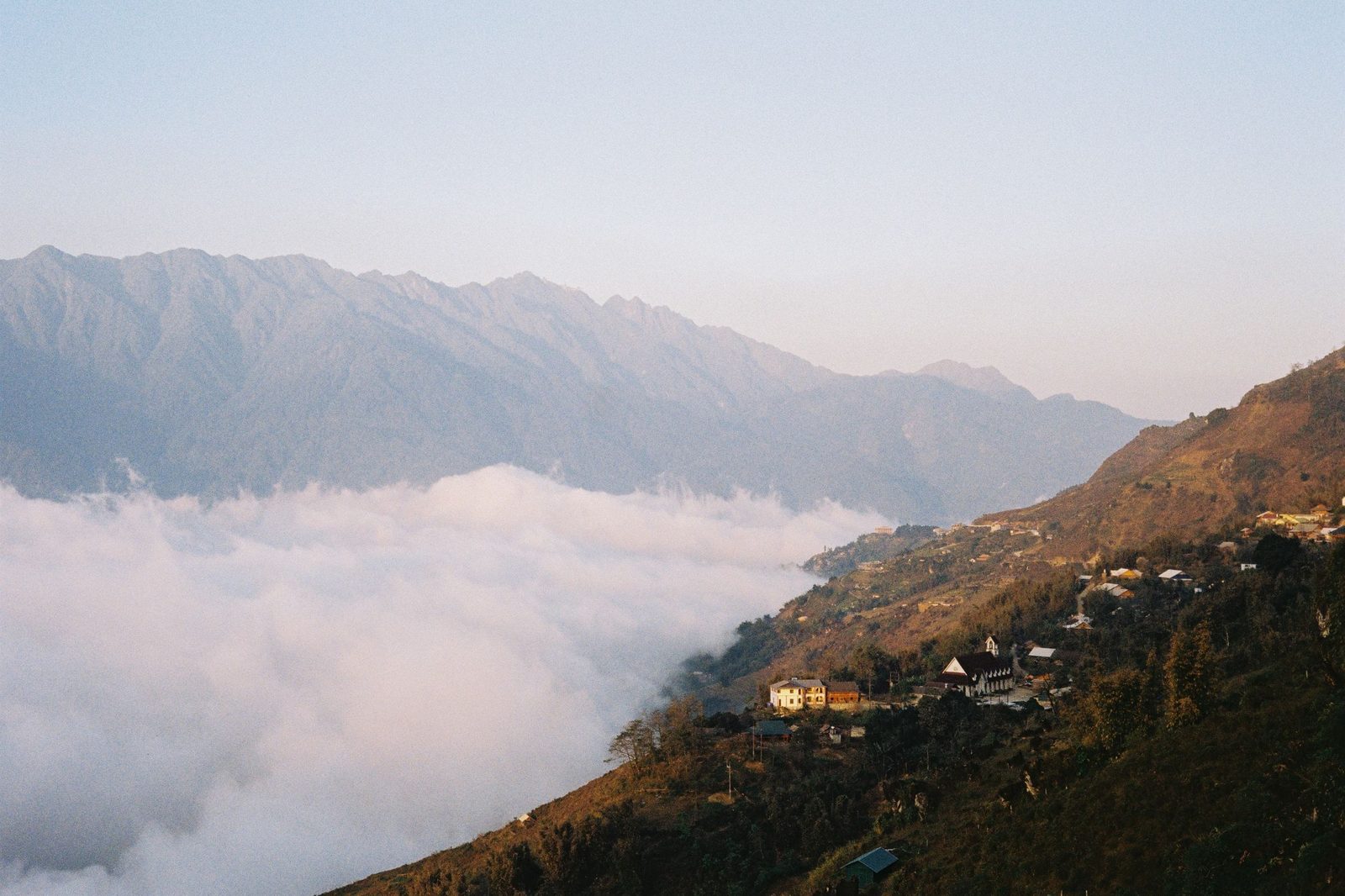
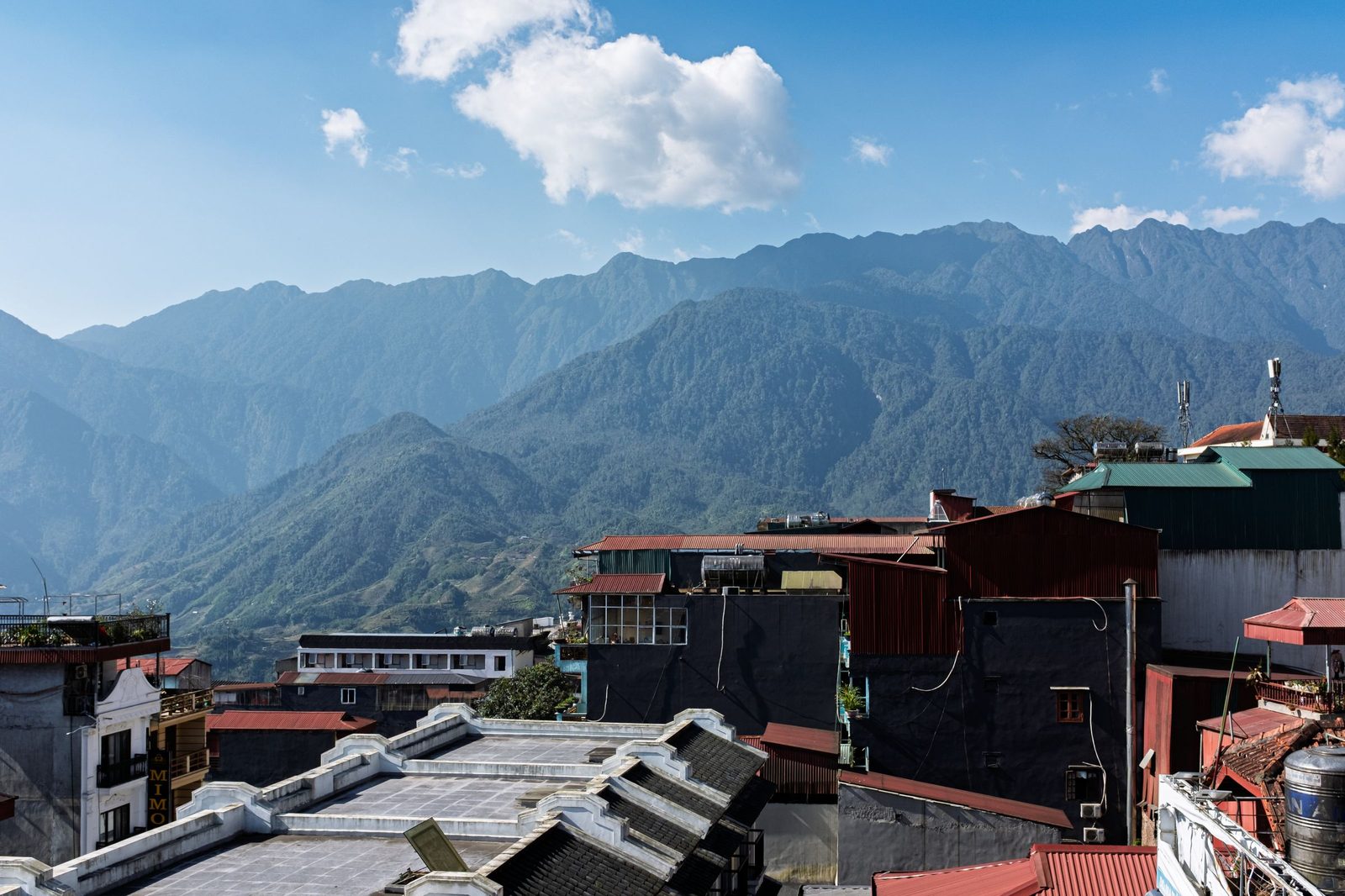
Sapa sits at around 1,500 metres in the Hoang Lien range in Lao Cai province, close to the Chinese border. That altitude changes everything. While Hanoi stays mild in winter, Sapa town typically sees daytime temperatures in the low to mid teens Celsius and nights that fall to single digits. During cold snaps from the north, early mornings can drop close to freezing, and frost forms on higher ground.
Snow is the question everyone asks. The honest answer: it is rare. When it does fall, it is usually on the summit of Fansipan or on high passes, for a day or two in late December or January, and some winters see none at all. Do not plan around it. Plan around what winter does reliably well:
- Clear air and long views. December is usually the driest month, with the sharpest visibility of the year on clear days.
- The cloud sea. On calm, cold mornings, cloud settles in the valleys below the ridges. Be at a viewpoint early, roughly between sunrise and 9 am.
- Quiet trails. January is the calmest month for walking, with far fewer groups in the villages.
- Blossom season. From late January into February, plum and peach trees flower around the villages, just as Lunar New Year (Tet falls on 6 February 2027) brings markets and family celebrations to life.
Mist is part of the deal. Some days the town sits inside the cloud and you see little beyond the next street. Build a spare half day into your plans so one grey morning does not cost you the view.
What the rice terraces look like in winter
Let us be clear, because expectations matter. Sapa’s terraces are planted once a year. They are green in early summer and golden at harvest in September. In winter the fields rest. You will see the bare, sculpted lines of the terraces, sometimes holding water, sometimes dusted with frost, often wrapped in mist.
Many photographers actually prefer this. Without the crop, the shapes of the hillsides stand out, and the low winter light picks out every curve. If your heart is set on green fields, come in summer. If you want atmosphere and space, winter is your season.
Fansipan and Muong Hoa Valley
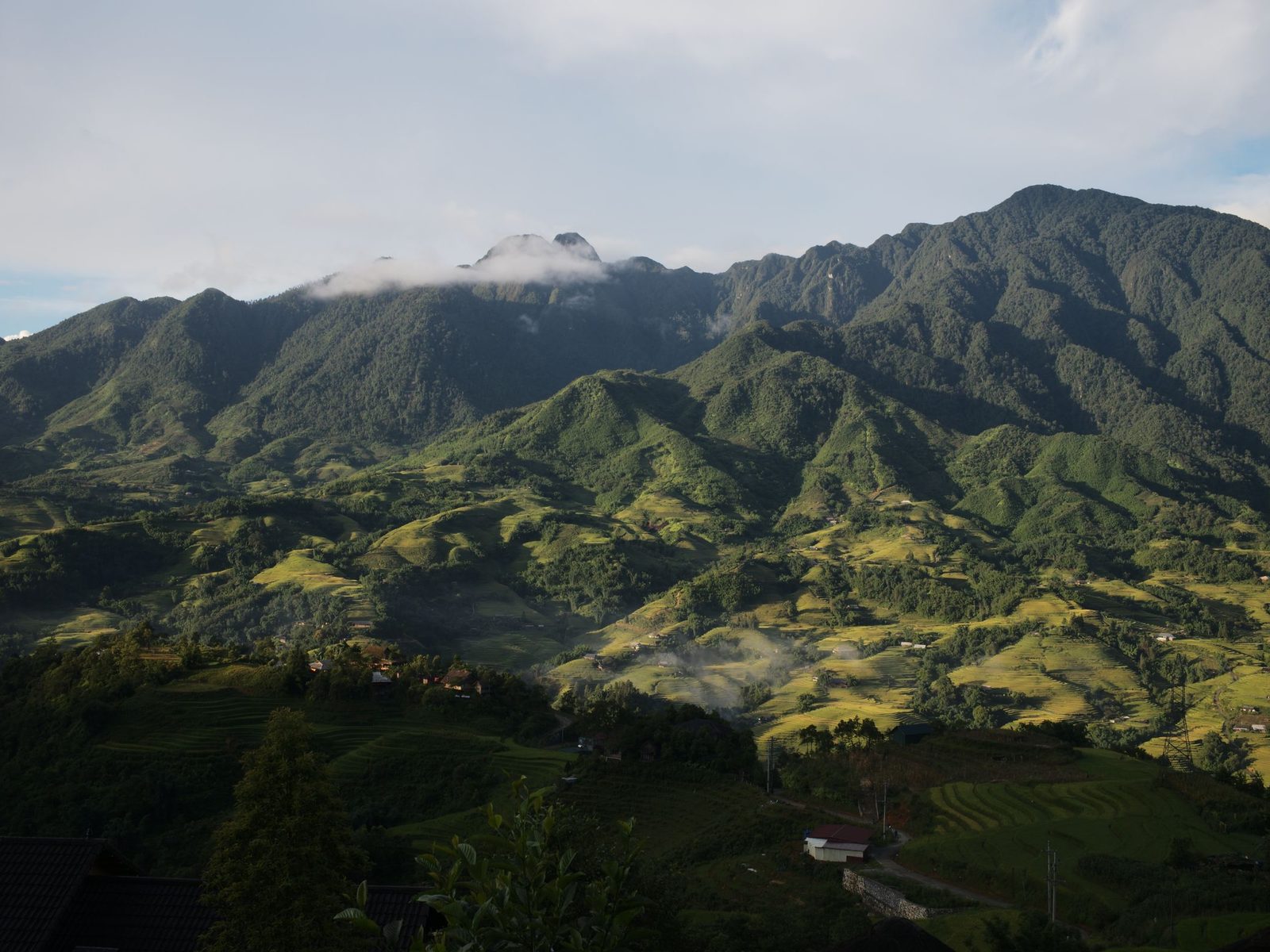
Fansipan, at about 3,143 metres, is the highest mountain in Vietnam, Laos and Cambodia, and the reason many people come to Sapa at all. You no longer need a multi-day trek to stand on top. From town, the Muong Hoa mountain train runs down to the cable car station, and the cable car then lifts you towards the summit area, followed by a final set of steps to the peak.
In winter, the summit is several degrees below Sapa town and can sit below freezing, with icy wind. Go early in the day, when the chance of clear views is best, and take every warm layer you own. On windy days operations can pause, so stay flexible.
Below the mountain, the Muong Hoa Valley is where Sapa’s village life plays out. Black Hmong, Red Dao and Giay families farm the slopes, and the valley floor is threaded with walking paths between hamlets. A guided walk here is the best way to understand how people live with the seasons in the high north, and in winter you will share the trail with buffalo, woodsmoke and very few other visitors.
The Far North Circuit: Sapa as a road-trip finale
Most travellers reach Sapa on a direct transfer from Hanoi. That works, but it misses some of the most dramatic country in Vietnam. Our Dien Bien and Sapa Circuit (6 days) turns the journey into the point of the trip:
- Hanoi to Mai Chau. A Muong village stop on the way, then a night in a White Thai stilt house in Lac village with an evening cultural exchange.
- Moc Chau to Son La. The heart-shaped tea hill, Dai Yem waterfall and the Bach Long glass bridge, then the French-built Son La Prison.
- Over the Pha Din Pass to Dien Bien Phu. The museum’s panorama painting, A1 Hill and General de Castries’ bunker, the story of the decisive 1954 battle.
- Dien Bien Phu to Sapa. A long but spectacular mountain day, crossing the O Quy Ho Pass with a stop at its viewpoint before arriving in Sapa.
- Fansipan and Muong Hoa. The mountain train and cable car to the summit complex, then a walk through the valley villages.
- Back to Hanoi. A free morning in town and at the market, then the modern expressway back to the capital.
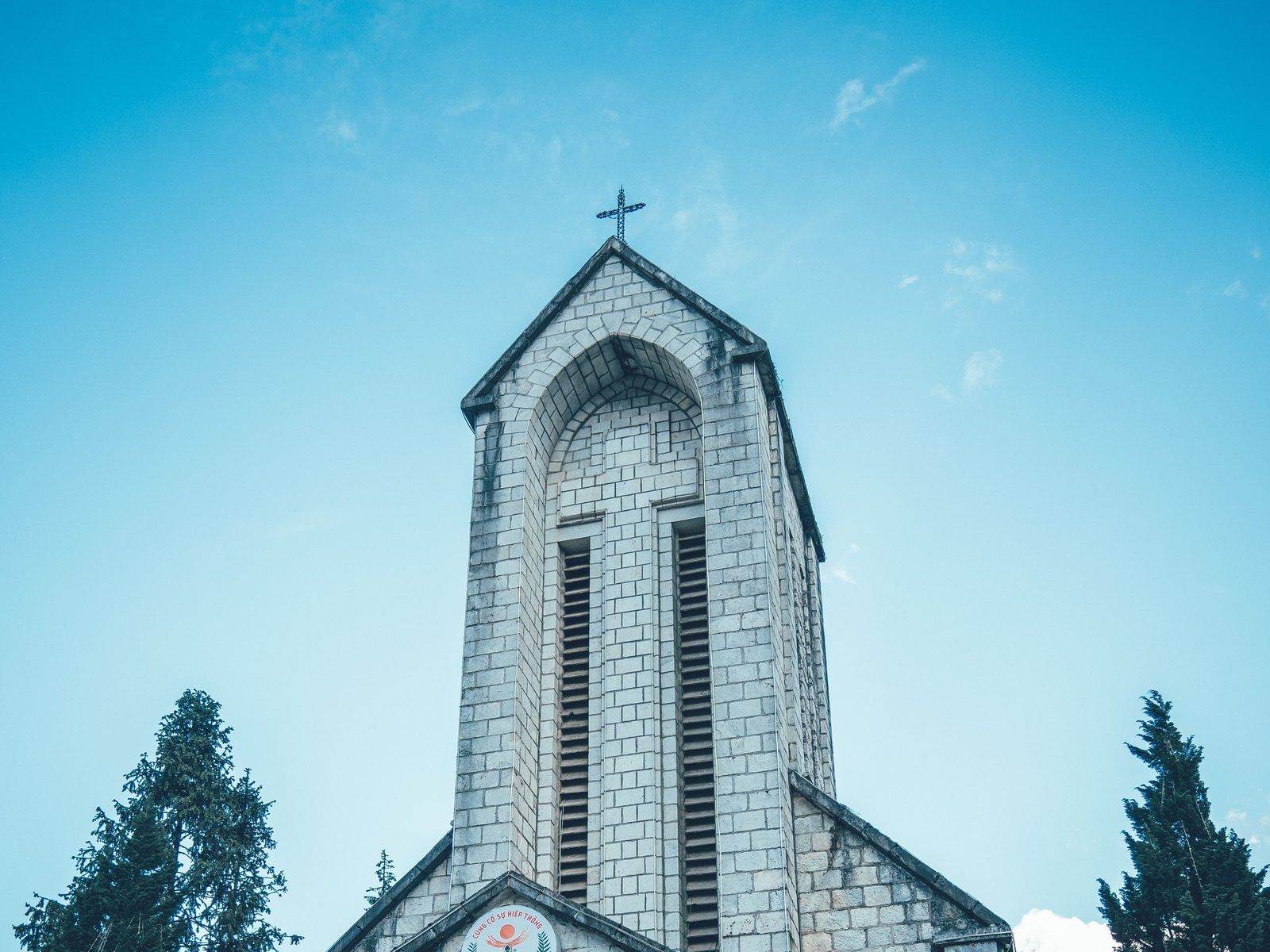
In winter this loop shows the north at its clearest: tea hills and passes in crisp light, and long evenings in Sapa around the old stone church and the market streets. Transport is a private air-conditioned vehicle throughout, and the Muong Hoa train ride and Fansipan cable car ticket are included, as listed on the package page.
Is winter the right time for you?
Choose Sapa in winter if you like cool mountain air, photography, history and quiet trails, and you are happy to wear a jacket at dinner. It suits couples, keen walkers and anyone combining northern Vietnam with a beach in the south: a few cold days in Sapa followed by warm sun in Phu Quoc or Mui Ne makes a classic winter pairing.
It is less suited to travellers who want green terraces or who feel the cold badly, since many guesthouses and older hotels have limited heating. If that is you, ask us about properties with good heating when you enquire.
Packing and practical tips
- Layers, not one big coat. Thermal base layer, fleece, and a windproof, ideally waterproof, outer layer. Add a hat, gloves and warm socks for Fansipan.
- Proper shoes. Village paths get muddy and slippery after mist or rain. Light hiking boots with grip beat trainers.
- Start early. Clear skies are most likely in the morning, both for the cloud sea and for Fansipan.
- Book Tet early. Around Lunar New Year 2027, hotels and transport fill fast, and some local businesses close for a few days.
- Respect village life. Ask before photographing people, and buy crafts directly from the women who make them.
Plan your winter trip to the Far North
Sapa in winter rewards travellers who come prepared: clear mornings, quiet villages and mountains that feel genuinely remote. Combined with Mai Chau, Dien Bien Phu and the great northern passes, it becomes one of the most memorable road journeys in Vietnam.
See the full itinerary and request your dates on our Dien Bien and Sapa Circuit (6 days), or contact our team to tailor it to your trip.
Related reading: Things to do in Hanoi · Ha Long Bay cruise guide · Vietnam in December: the best beaches