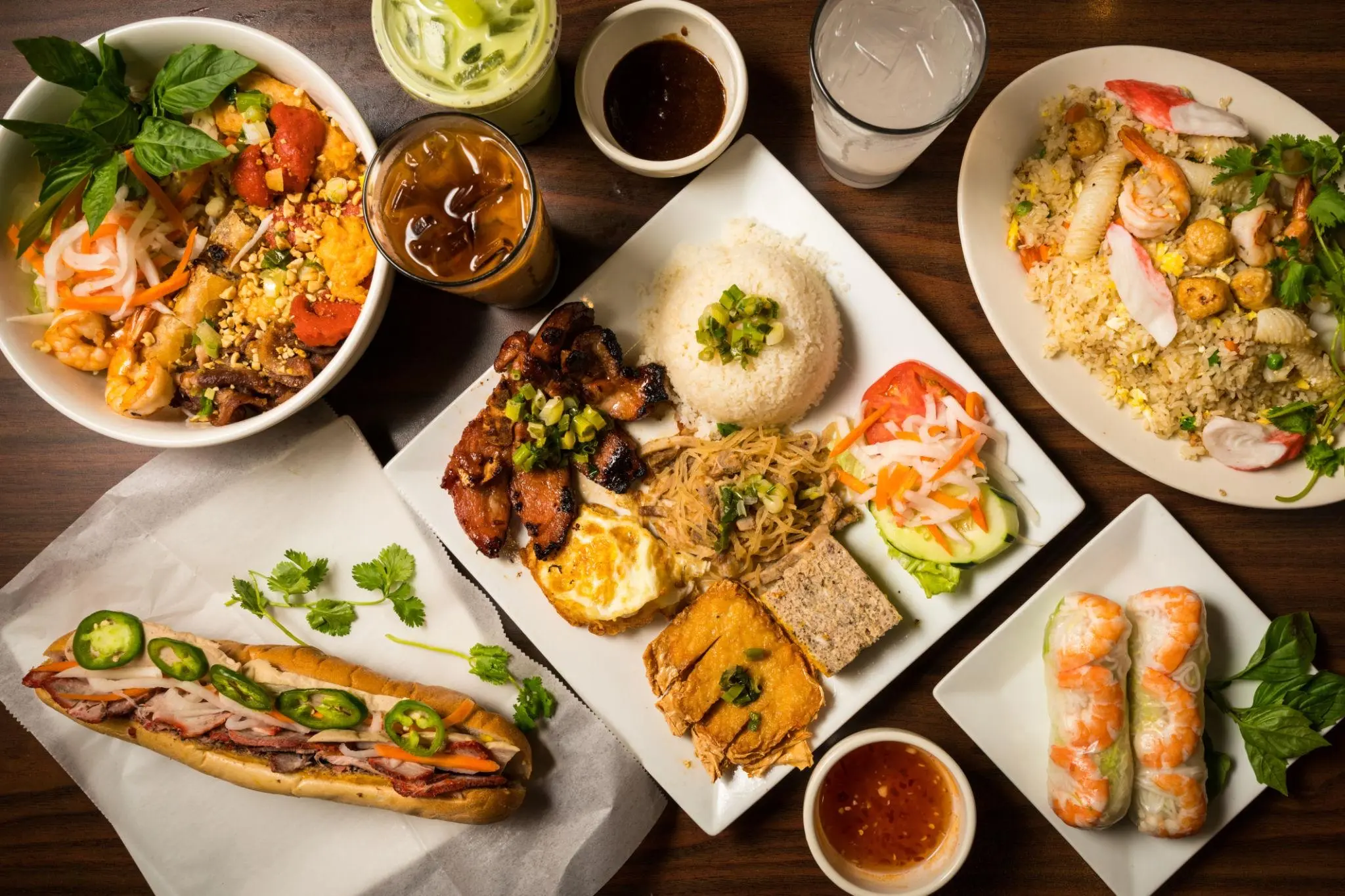
Culinary tourism Vietnam is often the defining highlight of a client’s entire trip.
There is a moment that happens to almost every first-time visitor to Vietnam. It usually occurs on day one, in a small plastic chair at the side of a very busy road, in front of a bowl of pho that cost approximately two euros. The first spoonful arrives — the broth deep and fragrant with star anise and charred ginger, the noodles silk-soft, the beef wafer-thin — and something shifts. This, they think, is one of the best things I have ever eaten.
Vietnamese cuisine is not just good food. It is a genuine travel motivation — and one of the most powerful ones your clients will encounter anywhere in the world. Food tourism in Vietnam is booming, and for travel agents who know how to sell it, it represents one of the most exciting and commercially rewarding niches in Southeast Asia.
This guide breaks down everything you need to know: what makes Vietnamese food so compelling, how it differs across the country’s regions, which experiences work best for different types of travellers, and how to talk about it in a way that makes your clients’ mouths water before they’ve even booked their flights.

Why Vietnamese Food Is Unlike Anything Else in the World
Most cuisines are built on fat and heat. Vietnamese cuisine is built on freshness, contrast, and balance. A single dish can contain everything at once — sour and sweet, rich and light, soft and crunchy, warm and cool. It is a cuisine of contradictions that somehow resolves into perfect harmony.
The key is in the herb plate. Almost every Vietnamese dish arrives with a pile of fresh herbs on the side: mint, Vietnamese coriander, fish leaf, banana blossom, bean sprouts, morning glory, shiso. You add them yourself, adjusting the flavour as you eat. This is not garnish. This is half the dish. It is a level of freshness and personalisation that very few other food cultures come close to.
Then there is the broth culture — arguably the most sophisticated in the world. Pho in the north, bun bo Hue in the centre, hu tieu in the south. Each one the result of hours of slow-cooking, careful spicing, and generational refinement. Each one entirely distinct. A client who claims they don’t like soup will order a second bowl.
And then there is the sheer democracy of it. In Vietnam, the best food is almost never in a restaurant with tablecloths. It is at a street stall run by a woman who has been making the same dish since she was eight years old, at a market counter where the queue stretches out the door at 6am, at a lunch spot where the plastic stools are three inches off the ground and the pork is unbelievably good. This is what culinary travellers come for. This is what they remember for years.
Selling angle: Vietnamese food is not a side attraction. For a significant proportion of European travellers — and almost all food-motivated clients — it is the primary reason to go. Frame it that way, and the itinerary builds itself around the meals.
For travel agents, culinary tourism Vietnam represents one of the most commercially valuable travel niches today.
North, Centre, South: Three Countries, Three Cuisines
One of the most important things to understand about Vietnamese food — and to communicate to your clients — is that it is not one cuisine. It is three, shaped by wildly different climates, histories, and culinary philosophies.

Northern Vietnam: The Art of Subtlety
Hanoi’s food is restrained and precise. The broth is clear. The seasoning is delicate. The flavours whisper rather than shout. This is a cuisine of refinement, born in an imperial capital that valued craft and tradition above flash.
The must-eat dishes in the north: Pho bo (the original beef noodle soup — Hanoi’s version is considered by many food writers to be the purest). Bun cha, the char-grilled pork and noodle dish that Barack Obama famously ate with Anthony Bourdain in a tiny Hanoi restaurant in 2016. Cha ca La Vong, a sizzling turmeric fish dish served at a legendary old house in the Old Quarter that has been operating since the 19th century. Banh cuon, silky steamed rice rolls filled with pork and mushroom, eaten for breakfast. Egg coffee — a Hanoi invention, a thick whipped egg yolk custard poured over espresso, and one of the most surprising and delicious things any traveller will drink in their lives.
Client talking point: Tell clients that pho was born in Hanoi and that the northern version is the original — cleaner, less sweet, and arguably more complex than its southern counterpart. Food nerds will appreciate the distinction. Everyone else will just be excited about the soup.

Central Vietnam: Where Flavour Gets Serious
The food of central Vietnam — particularly Hue and Hoi An — is the most complex and historically layered of the three regions. Hue was Vietnam’s imperial capital for nearly two centuries, and its royal court cuisine turned cooking into an art form. Dishes here are small, intricate, and often intensely spiced. The chilli heat that is absent in the north arrives with force in the centre.
The must-eat dishes in the centre: Bun bo Hue — a lemongrass and shrimp paste-spiced beef noodle soup that many Vietnamese food lovers consider the finest bowl in the country. Banh mi from Hoi An — the original banh mi is arguably here, and the bread (baked in French-influenced brick ovens) has a crust that shatters like porcelain.
Cao lau — a dish found only in Hoi An, made with thick noodles that are processed using water from a specific ancient well in the town. White rose dumplings. Banh xeo — sizzling crispy pancakes filled with pork, shrimp, and bean sprouts, eaten by wrapping them in rice paper and drowning them in herbs. The imperial set meals at a traditional Hue garden restaurant, where a dozen small dishes arrive in lacquerware bowls, each one a different flavour.
Hoi An deserves special mention for culinary tourism because it has arguably the best food scene of any town its size in the world. The density of exceptional food — from street stalls to Michelin-recommended restaurants to cooking schools set in rice paddies — is extraordinary.

Southern Vietnam: Big, Bold, and Unapologetic
Saigon’s food is louder than Hanoi’s. The broths are sweeter. The spice levels are higher. The portions are larger. The sweetened iced coffee arrives automatically. The south absorbs influences from China, Cambodia, and the former French colonial presence and blends them into something entirely its own.
The must-eat dishes in the south: Banh mi Saigon — a baguette filled with pork paté, pickled daikon and carrot, fresh chilli and cucumber, and a squeeze of Maggi. One of the greatest sandwiches on earth. Com tam — broken rice with grilled pork chop, pickled vegetables, and a fried egg, eaten at any hour of the day or night. Hu tieu — a clear pork-and-seafood noodle soup eaten at market stalls that have been open since 4am. And the street food of Bui Vien — the entire chaotic, delicious street-side spectacle of Saigon eating at 10pm, when the city has finally cooled down and everyone in the neighbourhood is on a plastic stool.
This is exactly why culinary tourism Vietnam has become such a powerful travel driver.
The Experiences That Sell Themselves
Knowing what your clients will eat is one thing. Knowing which experiences to book is another. Here are the culinary tourism formats that consistently produce the most memorable results — and the ones that are easiest to sell.
Street Food Tours
The street food tour is the single most popular food experience in Vietnam, and for very good reason. A well-guided evening walking tour through Hanoi’s Old Quarter or Saigon’s District 3 will cover eight to twelve dishes across two or three hours, visiting places that no guidebook has reached and no solo traveller would find without a local.
The key is the guide. A great street food guide is part food historian, part neighbourhood storyteller, and part culinary translator — explaining not just what you’re eating but why it tastes the way it does, who invented it, and why the version at this particular stall is better than the one thirty metres away. VietOne’s city tours include these experiences throughout their Saigon and Hanoi itineraries.
→ Start here: Saigon Full Day City Tour — includes market visits and local food stops that go far beyond the tourist trail.
→ For the north: Hanoi Full Day City Tour — the Old Quarter, the street food stalls, and the legendary egg coffee, all with a local expert.

Cooking Classes
Cooking classes are the experience that food-motivated travellers come home raving about. They are interactive, social, photogenic, and — crucially — the skills travel home with them. A client who learns to make pho at a Hanoi cooking class is going to be talking about it at dinner parties for the next five years. That is word-of-mouth marketing that no advertisement can buy.
Hoi An is particularly renowned for its cooking schools. Several operate in working herb gardens and rice paddies outside town, where guests start by harvesting their own ingredients before cooking a traditional Vietnamese meal. The combination of setting, activity, and food is close to perfect.
→ Hoi An culinary base: Full Day Excursion to Hoi An — includes a visit to Tra Que herb village, which supplies some of Hoi An’s finest cooking schools.
Market Tours
Early morning market visits are one of the great pleasures of travel in Vietnam, and one that clients consistently underestimate before they experience it. The Ben Thanh market in Saigon, the Dong Ba market in Hue, the Cho Con market in Da Nang — these are not tourist markets. They are living, breathing, incredibly loud working markets where the city’s restaurants and home cooks do their daily shopping at 5am.
A guided market tour with a local expert transforms what could be an overwhelming sensory assault into a revelatory lesson in Vietnamese food culture. What is this purple leaf and how do you use it? Why are those crabs tied up with string? What does a Vietnamese grandmother cook for dinner on a Tuesday? The answers are endlessly interesting.
Mekong Delta Food Experiences
The Mekong Delta is Vietnam’s rice bowl, fruit basket, and freshwater seafood source, and it produces some of the country’s most extraordinary food. Coconut candy factories in Ben Tre. Rice paper workshops in Sa Dec. Honey tastings on floating bee farms. And the experience of eating lunch on a sampan boat in the middle of a river, with tropical fruit pulled straight from the trees overhead — this is food tourism that cannot be replicated anywhere else in the world.
→ Essential: Cai Be & Can Tho Exploration (2 Days) — two full days in the Delta, including traditional food production workshops and floating market breakfast.
→ Shorter option: Full Day Mekong Delta Excursion — orchard visits, sampan boat rides, and tropical fruit that clients will still be talking about on the flight home.

Pairing Food With Place: Building Culinary Itineraries That Work
The best culinary itineraries in Vietnam are not built around food alone. They are built around the idea that food is the best possible entry point into everything else — the history, the culture, the landscape, and the people. A great travel agent uses food as the narrative thread that holds the whole trip together.
Here is how that looks in practice across the country’s three main tourism corridors.
Saigon-Based Itineraries (3–5 days)
Ho Chi Minh City is the perfect culinary base for first-time visitors. It is enormous, dizzying, and inexhaustible — but it is also extremely well set up for food tourism. The variety of food on offer within a five-kilometre radius is genuinely staggering. French boulangeries serving croissants at 7am. Michelin-recognised pho restaurants open from dawn. Street stalls serving the best banh mi you will ever eat from a cart that has been in the same spot for thirty years.
Add a Mekong Delta day trip for contrast — the quiet water, the fruit orchards, the gentle pace — and a Saigon food itinerary covers almost every note on the Vietnamese culinary register.
Central Vietnam (4–6 days in Hue, Da Nang, and Hoi An)
Central Vietnam is the section of the country where food and culture are most tightly interwoven. In Hue, the imperial dining tradition means that even a simple market breakfast feels ceremonial. In Hoi An, every lane in the old town seems to have a kitchen producing something extraordinary. In Da Nang, the seafood restaurants along My Khe beach have been making fresh fish the same way for generations.
For culinary-focused clients, a central Vietnam circuit is the highlight of any Vietnam trip — and it pairs naturally with the cultural weight of the Imperial City and the architectural beauty of Hoi An’s ancient town.
→ Cultural + culinary: Hue Full Day City Tour — includes Dong Ba Market and a traditional Hue lunch.
→ Hoi An in depth: Day Trip to My Son and Hoi An — ancient temples in the morning, Hoi An’s famous food in the afternoon.
Full Country Itineraries (12–15 days)
For clients who want the full culinary arc — from the delicate broths of Hanoi to the bold street food of Saigon, with every flavour in between — a full-country itinerary is the ultimate food travel experience. The satisfaction of eating your way from north to south, tasting how the food shifts and changes with every degree of latitude, is one of those travel experiences that permanently resets a person’s understanding of what cuisine can be.
→ The complete journey: Vietnam Insider Journey (15 Days) — 12 destinations, expert local guides, and a culinary narrative that runs from the first pho in Hanoi to the last banh mi in Saigon.
→ Beach and food: Vietnam Beach Escape (12 Days) — Ha Long Bay, Da Nang’s seafood coast, Hoi An’s food scene, and Saigon, with beach time built in.

How to Talk About Vietnamese Food With Your Clients
Not every client arrives already excited about culinary tourism. Some need a nudge. Here are a few lines that consistently work.
For the client who says “I’m not sure about Asian food”: Tell them that Vietnamese cuisine is one of the lightest and most herb-forward food cultures in the world. No heavy curries, no overwhelming heat (unless they want it). Fresh, clean flavours. Great noodles. Extraordinary coffee. They will be fine.
For the client who is nervous about street food hygiene: Reassure them that Vietnam’s street food culture is sophisticated and well-established. The stall that has been serving the same pho for forty years is not cutting corners. VietOne’s guides know exactly where to eat safely — and eat extraordinarily.
For the client who thinks food tourism means expensive restaurants: Some of the best meals in Vietnam cost less than a coffee in Amsterdam. The street food culture is democratic and generous. This is not a destination where culinary tourism requires a big budget — it requires curiosity, which your clients already have.
For the client who just wants to know one thing to look forward to: Tell them about the banh mi. Describe it: a light, crackly baguette from a French-influenced brick oven, smeared with homemade pork paté, filled with Vietnamese cold cuts, pickled daikon and carrot, fresh cucumber and coriander, a smear of chilli sauce, and a squeeze of Maggi seasoning. Tell them it costs about a dollar. Tell them they will eat one every day. Watch their expression.
Why VietOne Is the Right Partner for Culinary Tourism
Selling culinary tourism in Vietnam is easy. Delivering it brilliantly is harder — and requires a partner who has been working with local food producers, market vendors, restaurant owners, and cooking school directors for long enough to know which experiences are genuinely extraordinary and which are just ordinary dressed up in a tourist wrapper.
VietOne Travel has been crafting Vietnam itineraries for European and Russian travel agents for over 33 years. The team is based in Ho Chi Minh City, speaks English, German, and Russian, and knows the country’s food culture at a depth that no booking platform can replicate. From a classic Mekong Delta excursion to a fully customised culinary circuit with private cooking classes and market-to-table meals, VietOne builds the experiences that clients come home talking about.
Ready to build a Vietnamese culinary itinerary your clients will never stop talking about?