Last checked: 23 November 2026
Planning Vietnam in January 2027? The short answer is: yes, it is a good month to travel, but only if you choose the region that matches the weather you want. The north is cool and often grey. Hue is still wet. Da Nang is officially in its dry season, yet January can still bring showers. Nha Trang is just turning drier. The south, from Ho Chi Minh City and the Mekong Delta to Mui Ne, is dry and warm.
This is a month guide for the whole country, not only a beach list. One more date matters: Tet, Vietnam’s Lunar New Year, falls on Saturday 6 February 2027. If your January trip runs into early February, you will need a separate plan for those days.
Quick answer
- The north (Hanoi, Ha Long, Ninh Binh): cool, often grey, and better for culture than for swimming. Average highs are around 20°C, with nights around 14 to 15°C. Pack a jacket.
- Hue: still wet. January averages about 129 mm of rain and around 16 rain days. The city is usually more comfortable from February.
- Da Nang and Hoi An: the official dry season runs from January to July, but January can still be showery. February is clearly drier.
- Nha Trang: the dry season starts around January. Rainfall drops sharply from December, and the weather usually improves through the month.
- The south (Ho Chi Minh City, the Mekong, Mui Ne): dry and warm, with almost no rain in Mui Ne and Phan Thiet.
- Late January: travel gets busier ahead of Tet. The public-sector holiday runs from 4 to 10 February 2027.
How January weather works in Vietnam
Vietnam stretches a long way from north to south, and in January the contrast is at its sharpest. A week that feels like a mild European autumn in Hanoi can be beach weather in Mui Ne. Treating the country as one climate is the most common planning mistake.
The figures below are long-term monthly averages from Vietnam’s national building-climate standard (QCVN 02:2022/BXD). They are not a forecast for your dates. A rain day can mean a short shower rather than a washed-out day, but the pattern by region is consistent.
For the first days of the month, our guide to New Year in Vietnam 2027 covers countdowns and the 1 January holiday. For a wider beach comparison, see where the beach weather is best in December, January and February.

The north: cool, not cold
Hanoi in January has average highs of about 20°C and average lows of around 14 to 15°C. Rainfall is modest, at about 23 mm, but sunshine is limited: the station records only about 69 hours in the month. Days are often grey, and evenings feel cooler than the number suggests. A warm layer or light jacket is enough for the city; you do not need full winter gear.
Ha Long Bay, measured at Bai Chay, is similar: highs around 19°C, nights around 14°C, and frequent haze over the limestone islands. The bay is still worth the cruise, but views can be soft rather than sparkling. Ninh Binh follows the same cool, relatively dry pattern, with about nine rain days and highs near 20°C. It is a good month for the temples and karst landscape if you dress in layers.
Sapa is a different climate and can be much colder, including at night. Our Sapa winter guide covers what to pack if you head that far north.
The centre: Hue still wet, Da Nang turning
Do not lump Hue and Da Nang together in January. Hue’s January average is about 129 mm of rain and around 16 rain days, with highs near 23 to 24°C. That is already better than December, but it is still a wet month. February usually drops to about 63 mm and around 12 rain days. If Hue is important to you, it is often easier from February onwards.
Da Nang’s official city pages describe a dry season from January to July and a wet season from August to December. That official window is useful, but it should not be read as guaranteed sunshine in early January. The same national climate tables show about 82 mm of rain and around 12 rain days in January, against only about 24 mm and six rain days in February. January is the start of the dry season, not its most settled month. Showers are still common.
Hoi An, just down the coast, is best planned as a town and food stop at this time of year rather than a sure beach holiday. Our guide to Hoi An in December and January explains how to enjoy the town around the rain.
The south and the south-central coast
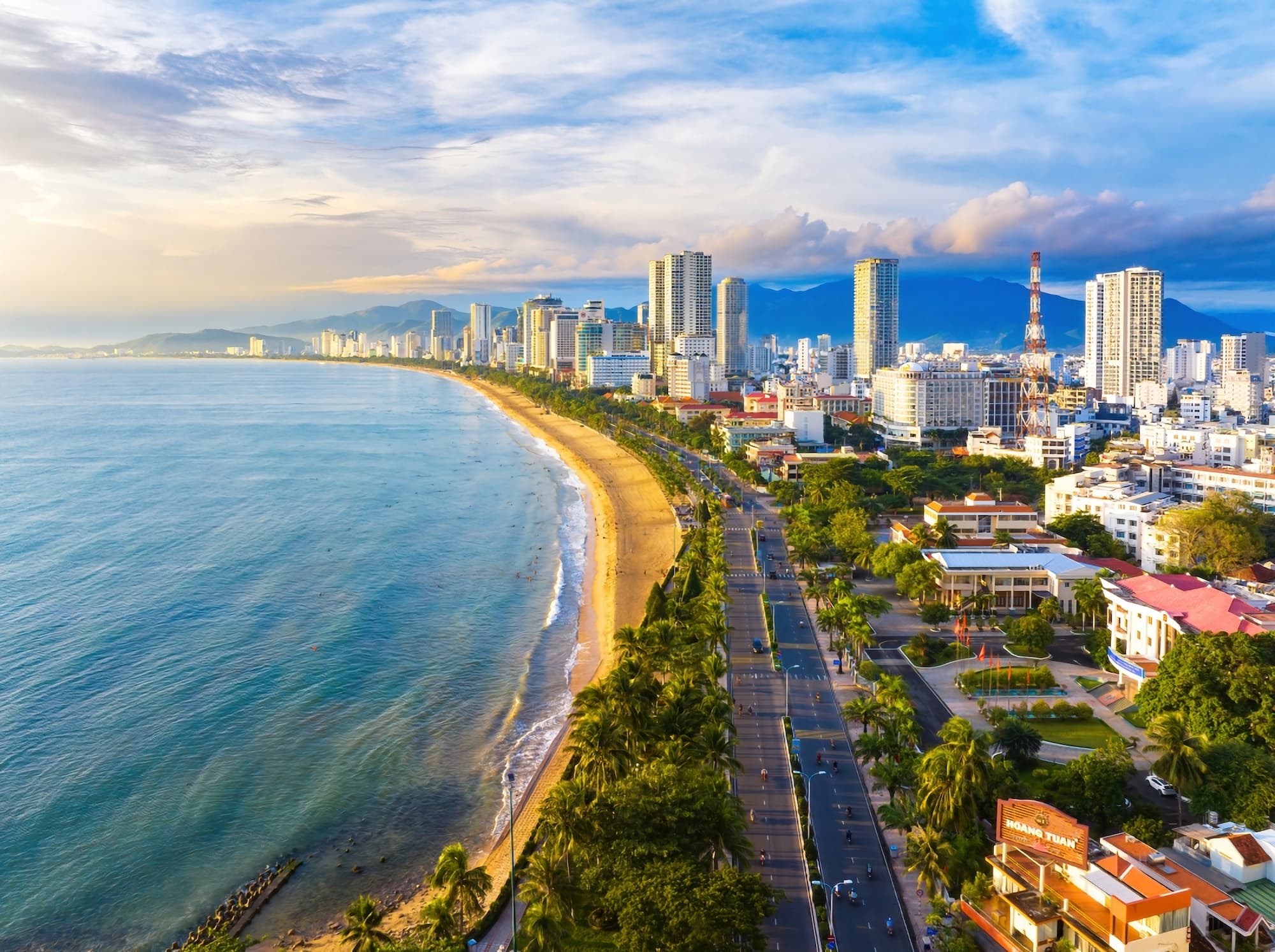
This is where January weather is most straightforward. Nha Trang’s dry season starts around January. December still averages about 191 mm and 14 rain days; January falls to about 43 mm and nine rain days, with highs around 27°C and far more sunshine. The month often improves as it goes on. Our Nha Trang dry-season guide sets out what that means for island boat trips.
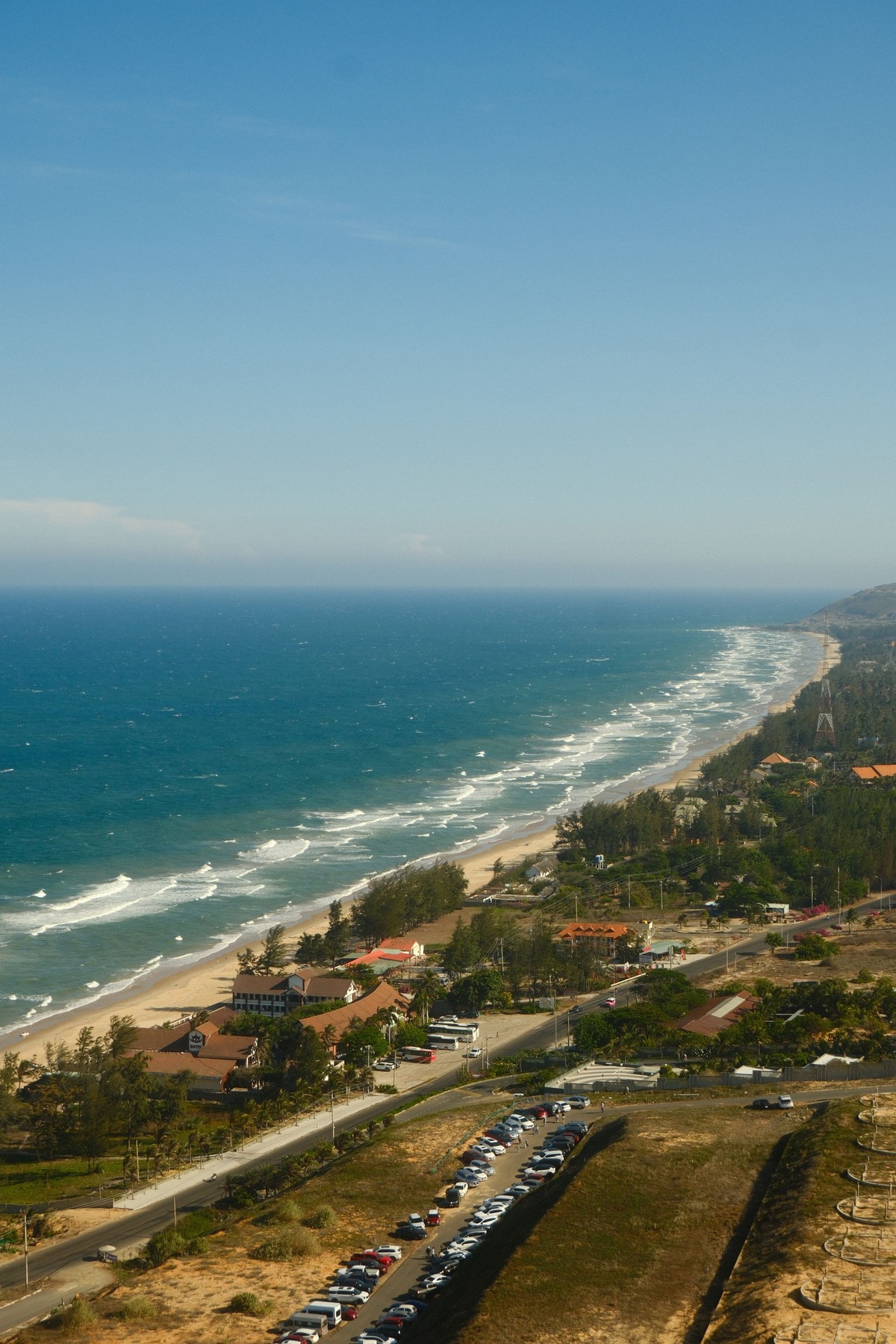
Farther south, the picture is even drier. Phan Thiet, the station for Mui Ne, averages only about 4 mm of rain in January and fewer than one rain day, with highs around 29°C and about 266 hours of sunshine. It is one of the most reliable winter-sun coasts in the country. Our Mui Ne season guide explains the wind, the dunes and the best months for the beach.
Ho Chi Minh City and the Mekong Delta are also in their dry season, which generally runs from December to April. Can Tho averages about 10 mm of rain and two rain days in January, with highs around 30°C. Nearby My Tho and Vung Tau show the same dry pattern. This is a comfortable month for a city stay and a day on the waterways.
January 2027 and the approach of Tet
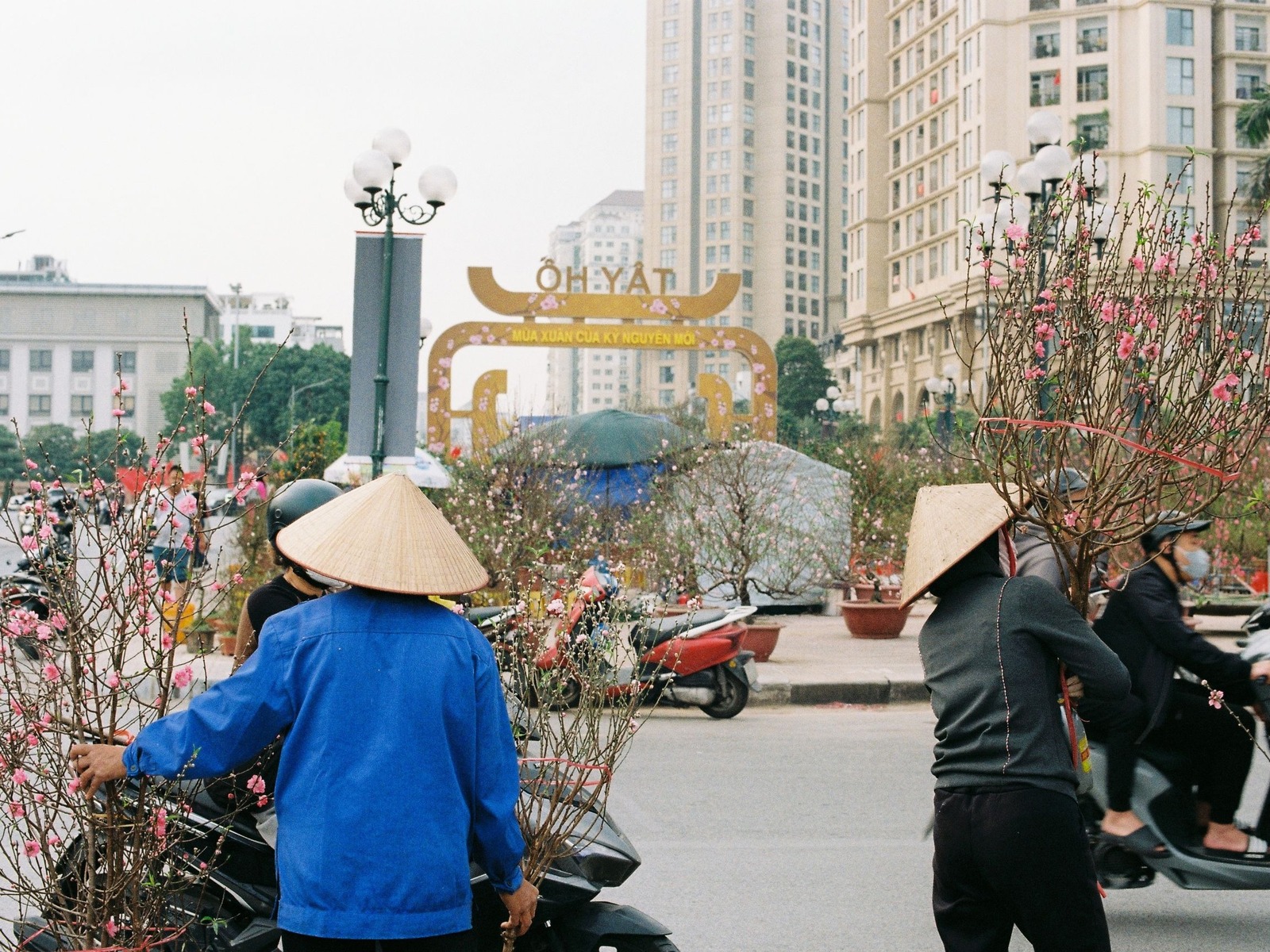
January and Tet are not the same thing, but in 2027 they sit close together. Tet Nguyen Dan 2027, Vietnam’s Lunar New Year, begins on Saturday 6 February, the same day as Chinese New Year that year, and the official public-sector holiday runs from 4 to 10 February. From late January, more people travel home, and trains and domestic flights fill up.
If your dates cross into early February, read our Tet 2027 guide for what typically stays open, what closes, and where a visitor is better based. If you are only here for the first week of January, the New Year guide is the one that applies.
A ready-made January route
If you want both sightseeing and a proper beach, the 12-day Vietnam Beach Escape follows the weather well. It starts in Hanoi with a Ha Long Bay cruise, continues to Da Nang and Hoi An, then Ho Chi Minh City, the Cu Chi tunnels and the Mekong Delta, and finishes with free days by the sea in Mui Ne. In January that order makes sense: you see the cool north first, allow for showers on the central coast, and end where the sky is most reliable.
Dates and pacing can be adapted when you enquire. If you are still deciding how to divide two or three weeks, see our guide to combining a Vietnam tour with a beach stay.
FAQ
Is January a good time to visit Vietnam?
Yes, if you match the region to the weather you want. The south is dry and warm. Nha Trang is turning drier. The north is cool and better for cities and landscapes than for swimming. Hue is still wet.
Can I swim in Da Nang in January?
Sometimes, but it is not the most reliable beach month there. Officially the dry season has started, yet January can still bring showers. Nha Trang and especially Mui Ne are safer choices for a beach week.
How cold is Hanoi in January?
Average highs are about 20°C and nights around 14 to 15°C. It is cool rather than freezing, but the grey days make a jacket useful, especially in the evening.
Is January the same as Tet?
No. January is the Gregorian month. Tet, Vietnam’s Lunar New Year, begins on Saturday 6 February 2027, the same day as Chinese New Year that year. The two overlap only if your trip runs into early February.
Plan your January in Vietnam 2027
Pick the region first, then the route. For many travellers that means the north and centre first, and a southern beach at the end.
See the 12-day Vietnam Beach Escape and ask us about January dates. Tell us when you can travel, and we will check availability and suggest how to time the journey around the weather and, if needed, around Tet.
Featured photo: Serg Alesenko / Pexels License.