Ancient temples in Vietnam offer a powerful insight into the country’s spiritual roots, cultural identity, and architectural heritage. Many VietOne itineraries are intentionally designed around Vietnam ancient temples to create deeper cultural immersion.
Imagine stepping into a world where stone carvings whisper tales of emperors, gods, and forgotten dynasties, all while your clients soak up that magical blend of serenity and awe. Vietnam’s ancient temples aren’t just relics—they’re living stories that captivate hearts and spark wanderlust. As your trusted partners at VietOne Travel, we’re excited to dive into the surprising history behind these gems and why they leave visitors (and their agents) raving. Whether you’re crafting bespoke itineraries for history buffs or cultural seekers, these sites are gold for elevating your packages. Let’s explore!
Ancient Temples in Vietnam That Define Cultural Heritage
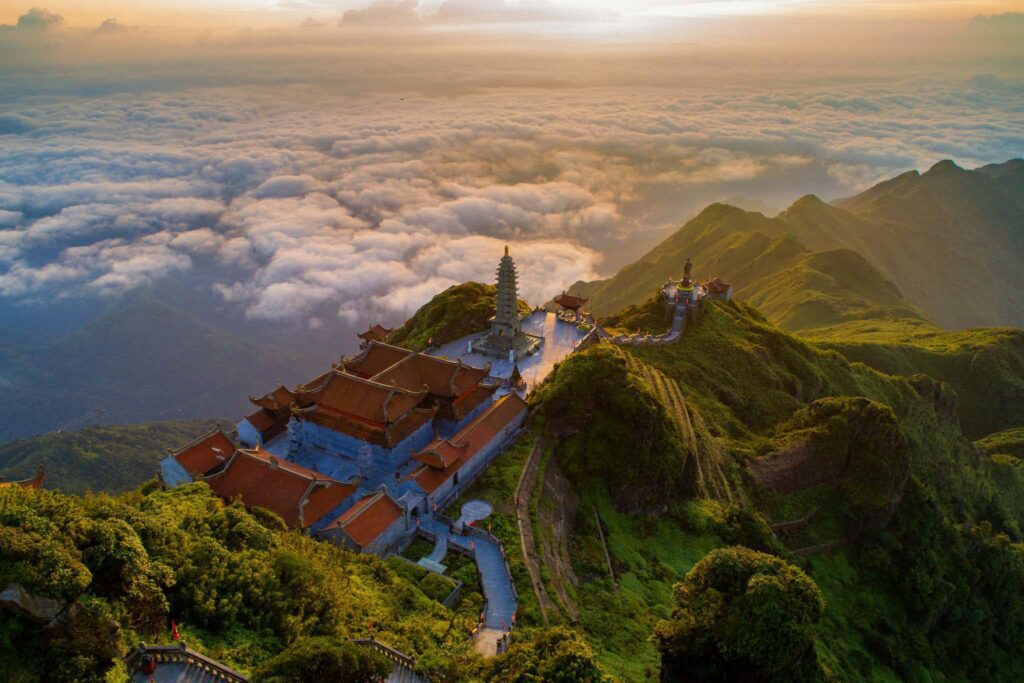
First off, did you know that Vietnam’s temples date back over a millennium, blending influences from India, China, and local Khmer and Cham cultures? Take the Temple of Literature in Hanoi—it’s not just a pretty spot; it’s Vietnam’s first university, founded in 1070 by Emperor Ly Thanh Tong. Dedicated to Confucius, this sprawling complex with its five courtyards, lotus ponds, and ancient stelae (stone tablets honoring scholars) surprises many with its role in shaping Vietnam’s intellectual elite. Vietnam ancient temples like the Temple of Literature highlight how spirituality and scholarship developed hand in hand.
Visitors often share how wandering through feels like a time warp, especially during the quiet mornings when incense wafts and locals pay respects. It’s no wonder clients return with stories of profound peace—perfect for those seeking more than beaches and bustling streets.
Moving south, the My Son Sanctuary near Hoi An is a jaw-dropper. Built by the Cham people between the 4th and 14th centuries, these Hindu temples honor Shiva and reflect Indian architecture with intricate brick towers and bas-reliefs of mythical creatures. What’s surprising? Despite wars and weathering, the site’s resilience echoes the Cham’s advanced engineering—no mortar, just interlocking bricks baked to perfection. UNESCO-listed since 1999, My Son wows with its mystical aura, especially at dawn when mist rolls in, making it feel like an Indiana Jones set. Your clients will love the blend of history and adventure; pair it with a gentle hike through the surrounding jungle for that extra thrill. Sites such as My Son show how Vietnam ancient temples reflect advanced engineering and deep religious symbolism.
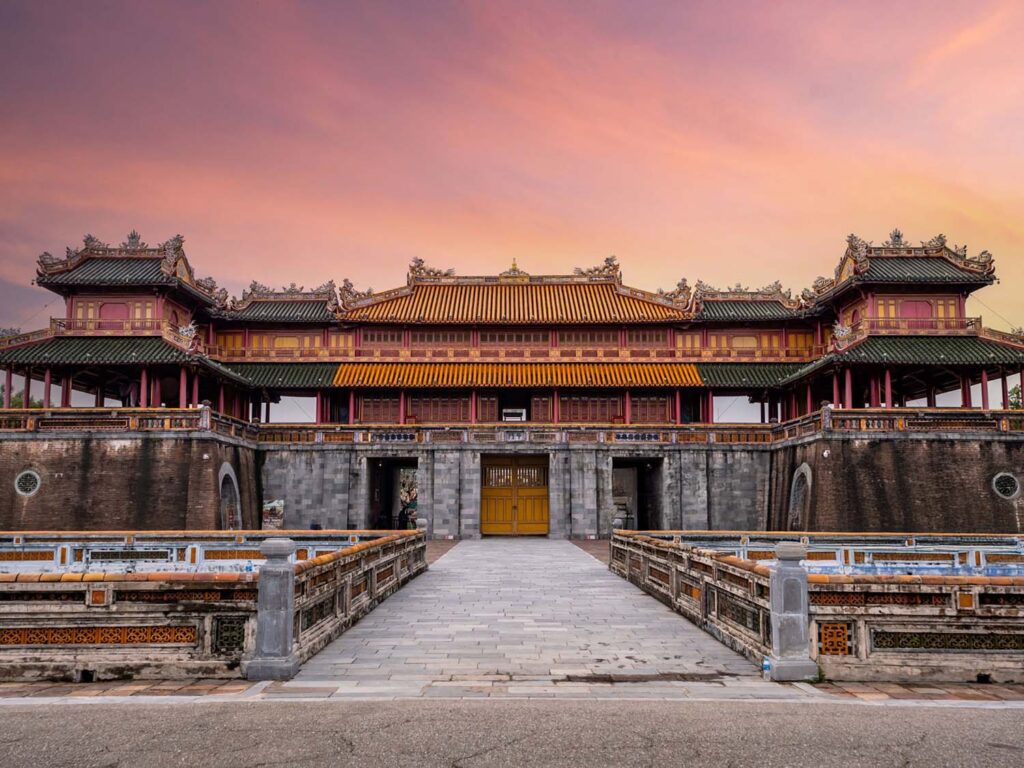
Then there’s the Imperial City in Hue, home to the Thien Mu Pagoda and the Citadel’s temples. Hue was the Nguyen Dynasty’s capital from 1802 to 1945, and its Forbidden Purple City (modeled after Beijing’s) hides tales of royal intrigue and opulence. Surprising fact: The Thien Mu Pagoda, perched on the Perfume River, features a seven-story tower built in 1844, symbolizing Buddhist enlightenment. But it’s the legends—like the pagoda’s founding myth of a celestial lady prophesying a great ruler—that add that storytelling magic.
Visitors are often stunned by the sheer scale and the poignant remnants of French colonial and wartime damage, turning a tour into an emotional journey. It’s why Hue ranks high for reflective travelers; the mix of grandeur and grit leaves a lasting impression.
So, why do these temples wow visitors every time? It’s the perfect storm of stunning architecture, spiritual depth, and unexpected narratives. In a fast-paced world, they offer a pause—spaces where one can meditate, reflect, or simply marvel at human ingenuity. For European clients, the contrast to Gothic cathedrals or Roman ruins is refreshing; Vietnam’s temples feel intimate yet epic, with vibrant festivals adding color (think Tet celebrations with lanterns and dances). Plus, they’re gateways to broader cultural immersion: artisan villages nearby showcase silk weaving or pottery, tying history to modern life. As travel agents, you know this authenticity sells—clients crave experiences that feel personal and profound.
What makes Vietnam ancient temples so compelling is that they function as living cultural spaces rather than static monuments.
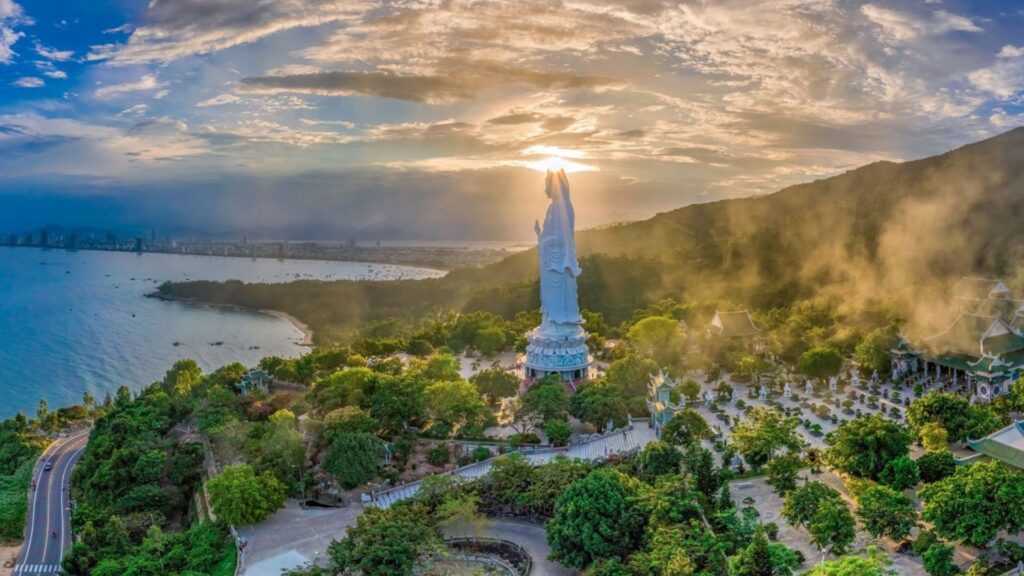
At VietOne Travel, we make it easy to weave these wonders into unforgettable trips. Our Cultural Tours are tailor-made for diving deep into heritage, featuring guided visits to Hanoi’s Temple of Literature and Hue’s Imperial City with expert local storytellers. For a spiritual twist, check out our Religious Tours, including serene retreats at My Son and meditation sessions amid ancient pagodas—ideal for wellness-focused groups. Looking for a full itinerary? Our Vietnam Insider Journey spans 15 days, hitting Hanoi, Hue, and Hoi An with temple explorations, cultural workshops, and even a Perfume River cruise. Or, for active clients, the Ho Chi Minh Trails (13 Days) combines cycling through historical sites with temple stops, blending adventure and education seamlessly.
These packages aren’t just tours; they’re stories waiting to unfold. We handle the logistics—private transfers, English-speaking guides, and customizable add-ons—so you can focus on wowing your clients. Pro tip: Link temple visits with nearby attractions like Hoi An’s lantern-lit streets for a balanced itinerary that mixes history with charm.
In wrapping up, Vietnam’s ancient temples are more than sightseeing—they’re soul-stirring experiences that turn trips into treasures. By spotlighting their surprising histories, you’re not just selling a destination; you’re creating connections. Ready to craft these for your clients? Head over to our Packages page or explore more insights in our article on Beyond the Postcard: Discovering the Authentic Soul of Vietnam. Let’s chat about partnering—drop us a line at VietOne Travel. Safe travels, friends!