Vietnam is long, and its regions do not share one season. That helps you sell. In almost every month, some part of the country is in good shape. This Vietnam weather by month calendar is built for agents. It shows what to push in each period, what needs a briefing and what to avoid. It links each season to tours VietOne already sells. It describes typical patterns, not forecasts. Weather changes from year to year, so check conditions closer to departure.
Vietnam Weather by Month: Best Region for Each of 12 Months

Why Vietnam needs a calendar, not a “best season”
Clients often ask: “When is the best time to go to Vietnam?” The honest answer is another question: “Where in Vietnam?” A month that is ideal in Mui Ne can be the wettest month of the year in Hue.
Selling by calendar lets you keep the client’s dates and change the region. That is better than losing the booking.
The three climate patterns in one minute
- North (Hanoi, Ha Long Bay, Ninh Binh, Sapa). Cool and fairly dry from December to February. In Hanoi, January highs average about 20 °C. Hot, humid and wet from May to September. Sapa, in the mountains, is much colder in winter, often foggy, and frost is possible.
- Central coast (Hue, Da Nang, Hoi An). Driest from February to April. Hot in summer. Heavy rain from September to December, with October and November the wettest months. Storms and floods are possible. Nha Trang, further south, has a shorter rainy season, from about September or October to December.
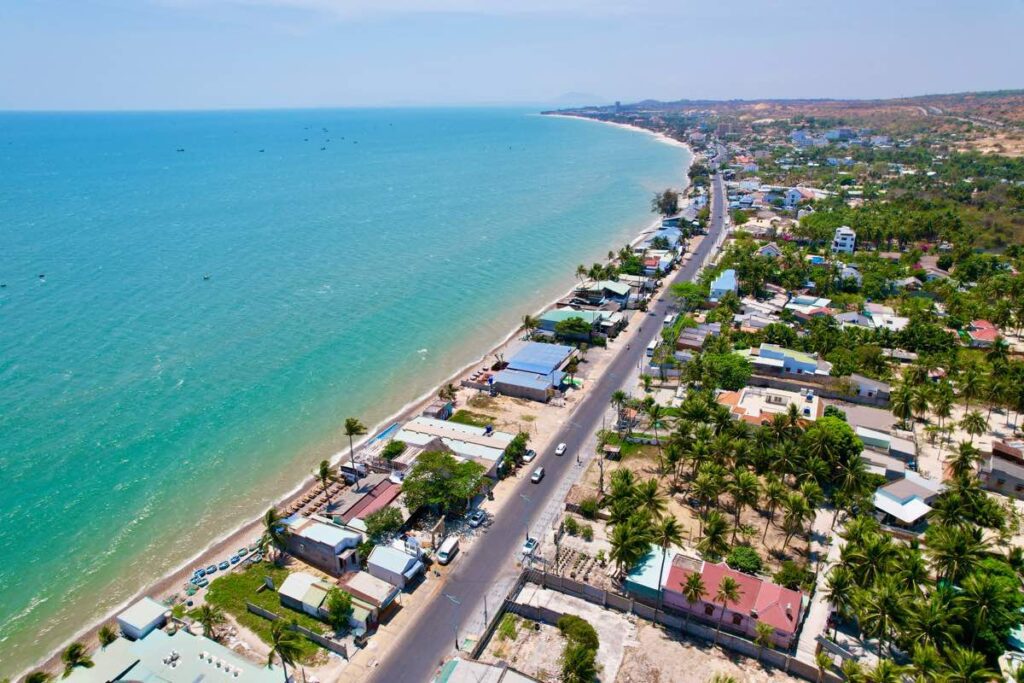
- South (Ho Chi Minh City, Mekong Delta, Mui Ne). Warm all year. Dry from about December to April. Rainy from May to November, often with heavy afternoon showers. Mui Ne is one of the drier stretches of the coast.
The rainfall patterns here come from long-term averages of the Vietnam Institute for Building Science and Technology and from public climate data.
January to March
Push:
- The south. Mui Ne is in its driest months; February is usually the driest. Sell the Mui Ne Beach Escape (4 Days). In Saigon and the Mekong Delta, use the Cu Chi & Saigon Full Day Tour, the My Tho Full Day Excursion or the An Binh & Can Tho Exploration (2 Days).
- Nha Trang. Dry from about January. The Nha Trang Full Day Island Tour works well now.
- The central coast from February. Da Nang and Hoi An dry out. March is a good month for the Full Day Danang City & Hoi An.
Brief: Hanoi and Ha Long are fine but cool. Sell layers, not sunshine. Sapa is cold; clients on a northern loop need warm clothes. January can still bring rain to Hue and Da Nang.
Tet: the Lunar New Year. In 2027, the first day of Tet falls on 6 February. It is a fascinating time to be in Vietnam. But many services close or slow down, and transport is full. Book early and brief clients. See our Tet 2027 guide.

April to June
Push:
- The central coast. Da Nang, Hoi An and Hue are dry in April. Add a Hue day such as the Hue Full Day City Tour.
- Nha Trang. Still a strong beach option.
- Hanoi and the north in April. A good month for the Hanoi – Ha Long – Ninh Binh (3 Days) loop.
Brief: Heat builds. In Da Nang, average highs reach about 33–34 °C in May and June. Plan sightseeing early and late in the day.
Warn: From May, rain increases in the north, in Sapa and in the south. Mui Ne and the Mekong are still possible, but no longer the safe default.

July to September
Push:
- Nha Trang in July and August. A good time for the island tour and a beach week.
- Da Nang and Hoi An in July and August, as long as the client accepts the heat. The Full Day Excursion to Hoi An and the Ba Na Hills Full Day Excursion fit well.
- Sapa in September, for the rice terraces. Sell the Bac Ha & Tu Le Adventure (5 Days). The terraces turn gold around September, but the exact timing varies by valley and altitude. Do not promise a date.
Brief: The north is hot and wet. Ha Long boat trips can be changed or cancelled when storms come. The south is in its rainy season.
Warn: From September, rain builds on the central coast around Hue and Da Nang. Nha Trang’s rainy season usually starts a little later.

October to December
Push:
- Hanoi and the north in October and November. Rain drops sharply. A good time for the Hanoi Full Day City Tour, the Ha Long day trip or a longer loop such as Tonkinese Wonders (6 Days).
- The south from December. Saigon, the Mekong Delta and Mui Ne enter the dry season. November is a transition month.
Warn: Hue, Da Nang and Hoi An are in their wettest period. October and November bring the heaviest rain, with a real risk of storms and floods. Nha Trang’s rainy season usually falls in this window too. Sapa gets cold by December.
For many clients who travel in winter, a good combination is Hanoi for culture plus Mui Ne for the beach. Keep the central coast for spring. Our Vietnam winter weather guide has more ideas.
Selling calendar at a glance
| Month | Push | OK with a briefing | Caution |
|---|---|---|---|
| January | Mui Ne, Saigon & Mekong, Nha Trang | Hanoi, Ha Long (cool) | Sapa (cold), Hue & Da Nang (late rain) |
| February | Mui Ne, Saigon & Mekong, Nha Trang, Da Nang & Hoi An | Hanoi (cool), Hue | Tet week, Sapa (cold) |
| March | Da Nang & Hoi An, Hue, Nha Trang, Mui Ne, Saigon & Mekong | Hanoi, Sapa | — |
| April | Da Nang & Hoi An, Hue, Nha Trang, Hanoi | Mui Ne, Saigon & Mekong (hot), Sapa | — |
| May | Da Nang & Hoi An, Nha Trang | Hue (hot), Hanoi (rain starts) | Mui Ne, Saigon & Mekong (rain starts), Sapa (rain) |
| June | Da Nang & Hoi An, Nha Trang | Hue (hot), Hanoi (hot, wet) | Sapa (rain), the south (rain) |
| July | Nha Trang, Da Nang & Hoi An | Hanoi (hot, wet) | Ha Long (storms), Sapa (rain), the south (rain) |
| August | Nha Trang, Da Nang & Hoi An | Hanoi (hot, wet) | Ha Long (storms), Sapa (rain), the south (rain) |
| September | Sapa (terraces) | Nha Trang (rain starts), Hanoi | Hue, Da Nang & Hoi An (rain starts), Ha Long (storms) |
| October | Hanoi, Ha Long, Ninh Binh, Sapa (walking) | Saigon & Mekong (rain easing) | Hue, Da Nang & Hoi An, Nha Trang |
| November | Hanoi, Ha Long, Ninh Binh | Mui Ne, Saigon & Mekong (transition), Sapa (cool) | Hue, Da Nang & Hoi An, Nha Trang |
| December | Mui Ne, Saigon & Mekong | Hanoi, Ha Long (cool) | Hue, Da Nang & Hoi An (rain), Nha Trang, Sapa (cold) |

What to avoid when you sell by weather
- Promising sunshine. Sell the typical pattern and say so. Never guarantee the weather.
- One answer for the whole country. Always ask “where” before “when”.
- The central coast in October or November without a warning. If the client insists, build in flexibility and indoor options.
- Writing off the rainy season entirely. In the south, rain often comes as afternoon showers. For flexible clients, it can work with honest expectations.
- Ha Long in storm season without a plan B. Explain before booking that cruises can be changed or cancelled.
- Packing advice for one climate. A Hanoi and Mui Ne trip in December needs both a jacket and swimwear.
- Multi-region trips in the wrong month. Long routes such as the Vietnam Beach Escape (12 Days) cover Hanoi, Ha Long, Hoi An, the Mekong and Phan Thiet. February to April is the period when all of these regions are most likely to be in good shape at once.
Use this calendar to keep the client’s dates and move the region. That protects the holiday and the booking. For a wider overview, see also best time to visit Vietnam.
Next step: send us your client’s travel month and wishes through the VietOne contact page. We will suggest the regions and tours that fit that month.